The study explores a multi-herb formula that the authors report reduces inflammation and alters gut microbiota in a mouse model of ulcerative colitis, suggesting possible biological mechanisms worth further study.
For people following research on complementary or herbal approaches, it highlights preclinical work linking herb combinations to immune and microbiome changes.
Who Should Pay Attention
Researchers of IBD mechanisms and therapies, clinicians following preclinical complementary-medicine research, and scientists interested in microbiome–immune pathway interactions.
Study Snapshot
Story typeResearch paper
Evidence typeResearch paper
Source depthMetadata only
What To Know
This journal article reports a preclinical (mouse) study testing a Traditional Chinese Medicine formula called Ganlu Yin (GLY) and subgroups of its component herbs in a DSS-induced ulcerative colitis model.
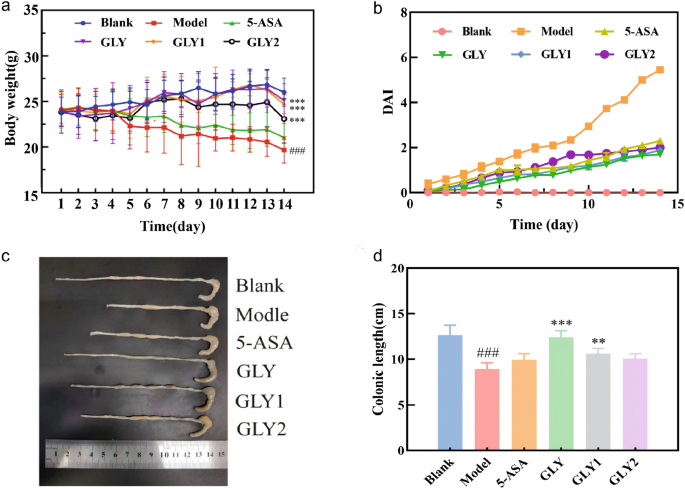
The study measured disease activity index, colon length, inflammatory cytokines, ROS, histology, and assessed effects on gut microbiota and inflammatory signaling pathways (NF-κB/MAPK). Findings described in the abstract indicate the complete GLY formulation had stronger protective effects than either herb subset alone.
The write-up is grounded in the article abstract and full-text metadata; it summarizes what the authors report about mechanisms and outcomes in mice and does not imply evidence in humans. It does not provide dosing, safety, or clinical recommendations for people with UC.
researchers studying herbal or multi-component therapies, scientists interested in microbiome–immune interactions in colitis models, and clinicians curious about emerging preclinical work in complementary therapies. this is a basic-science animal study.
Results in mouse DSS models do not establish safety or effectiveness in people with ulcerative colitis; clinical trials would be required before any treatment use is recommended.
Keep In Mind
Preclinical (mouse) findings do not translate directly to human benefit or safety. The article is a laboratory animal study published in an academic journal—additional clinical research would be needed before any change in patient care.
Source Details
Review the original publication for the complete reporting, methods, and context.
Funding disclosed by the source: Scientific and technological innovation project of China Academy of Chinese Medical Sciences, award No. CI2021A02807
This Cure8 brief is based on source text from the linked article. Cure8 is informational only and is not a substitute for professional medical advice, diagnosis, or treatment.
The study suggests vitamin D might help the immune system tolerate gut bacteria better and lower intestinal inflammation, which could mean fewer symptoms or flares for people with Crohn’s disease or ulcerative colitis.
The article explains how gut bacteria may contribute to IBD and summarizes common tests and treatments people are likely to encounter. It highlights emerging microbial therapies (probiotics and FMT) that some patients...
Researchers exploring new anti-inflammatory or antioxidant compounds for ulcerative colitis may find sanggenol L’s effects on Nrf2/HO-1 and TLR4/p65 signalling of interest. Patients should note this is early-stage,...