
BMC Pediatrics
Cure8 research brief
Cure8 research brief
VEOIBD often has a strong genetic component and different clinical needs than adult IBD; this study shows genetic findings and treatment challenges in a Middle East pediatric center, which may affect diagnosis and access to targeted therapies or HSCT.
Pediatric IBD clinicians, geneticists, parents and caregivers of children with early‑onset IBD, researchers studying monogenic IBD and health system planners in regions with limited access to specialized therapies.
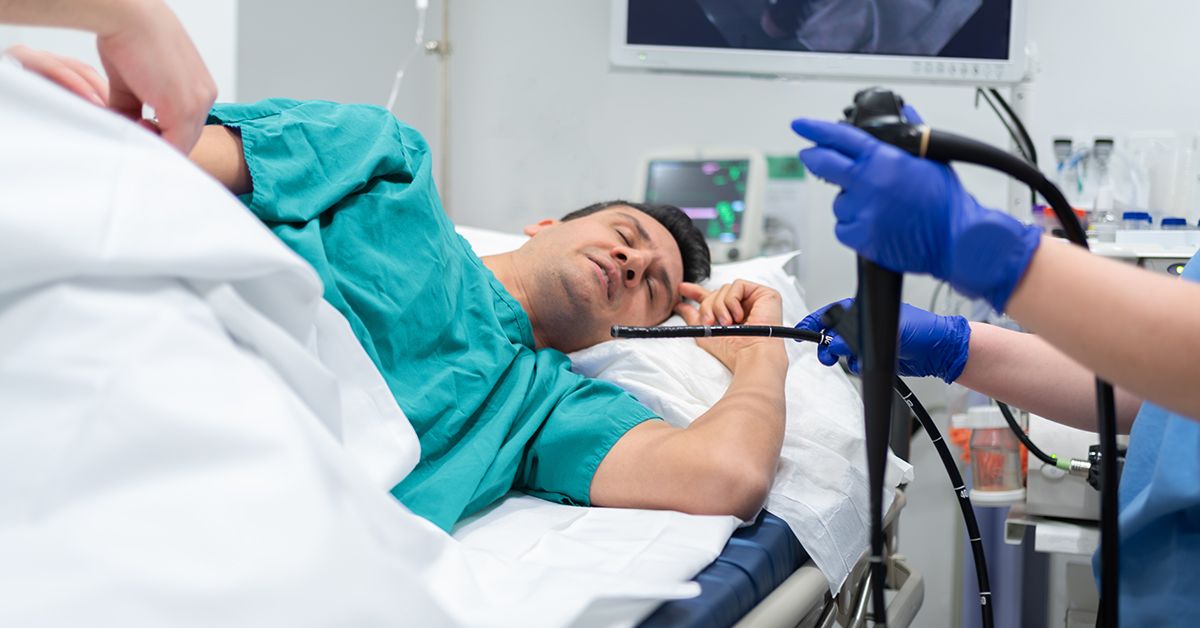
This open‑access case series from a single center in Jordan describes 10 children with very early onset IBD (symptom onset before age 6), reporting clinical features, endoscopic and histologic findings, genetic testing results, treatments used, and outcomes.
Genetic testing in eight children identified pathogenic or likely pathogenic variants in six and variants of uncertain significance in two, implicating multiple genes (examples listed in the article include MEFV, CYBB, G6PC3, GUCY2C, NPC1, NOD2, RIPK1, LRBA).
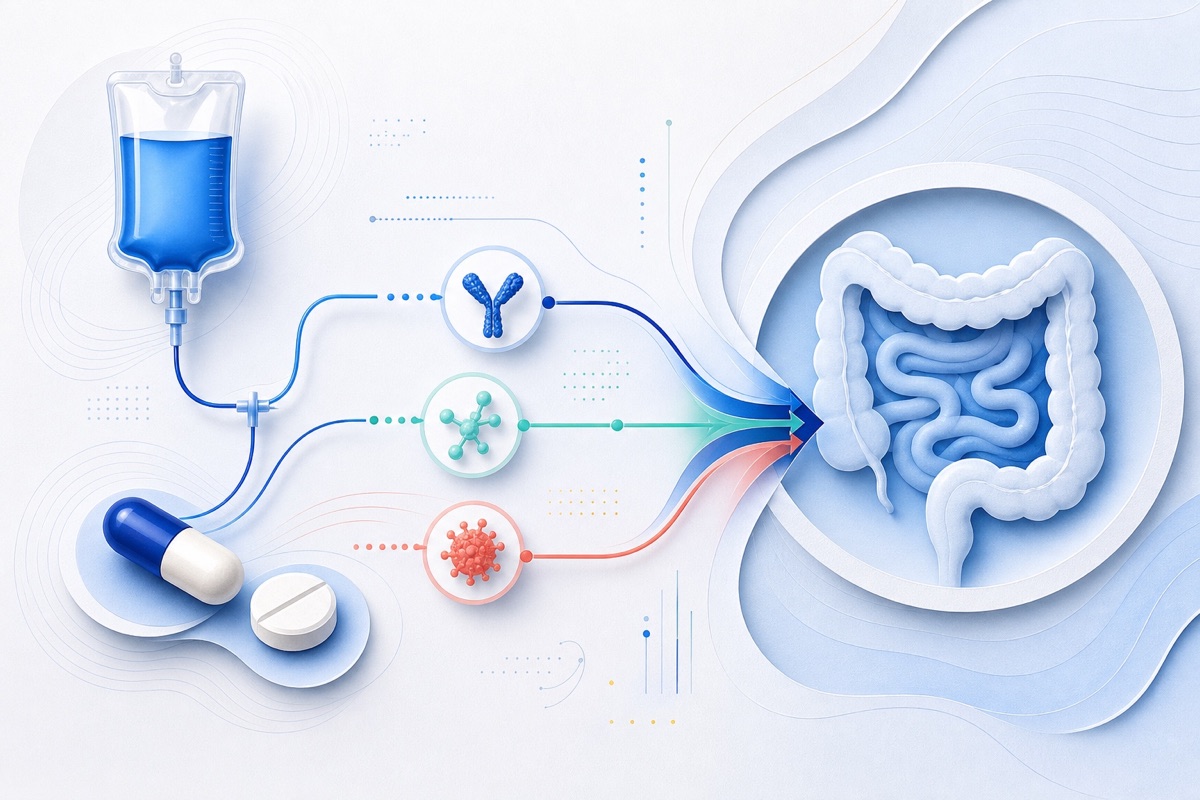
Therapies documented included infliximab, mesalazine, azathioprine, budesonide, IVIG, elemental diet, colchicine, and referrals for hematopoietic stem cell transplantation (HSCT); one patient died of infection‑related multi‑organ failure.
The authors highlight genetic heterogeneity (including co‑occurring variants) and limited access to targeted agents and HSCT as factors linked to poorer outcomes in this cohort. The report proposes a possible digenic contribution in at least one severely affected child but presents this as a candidate mechanism rather than proven causation.
Practical points: the paper supports early genomic testing and multidisciplinary care for children with VEOIBD and documents real‑world treatment limitations in the reported center. It does not provide randomized comparisons or new treatment efficacy data.
This is a retrospective single‑center case series with a small sample size; genetic findings include variants of uncertain significance and proposed mechanisms that require further study. The paper is open access and reports descriptive outcomes rather than comparative effectiveness.
Review the original publication for the complete reporting, methods, and context.
This Cure8 brief is based on source text from the linked article. Cure8 is informational only and is not a substitute for professional medical advice, diagnosis, or treatment.
You can have active intestinal inflammation even without clear symptoms; early monitoring and tailored treatment aim to prevent complications and preserve quality of life.
The study suggests starting anti-TNF drugs early in children with Crohn's could strongly lower the chance of developing anal fistulas, a serious complication that often requires surgery. Preventing fistulas can reduce...
This trial is testing whether adding vedolizumab after autologous stem cell transplant can improve remission rates for people with severe Crohn's disease that has failed multiple therapies.