everydayhealth.com
Cure8 news brief
Cure8 news brief
Women with Crohn’s can face specific reproductive, sexual, and body-image issues that affect quality of life and pregnancy planning. Understanding how disease activity and medications interact with fertility and pregnancy can help with safer planning and management.
Women with Crohn’s or IBD who are of reproductive age, people planning pregnancy, caregivers, and clinicians managing reproductive and sexual-health concerns in IBD.
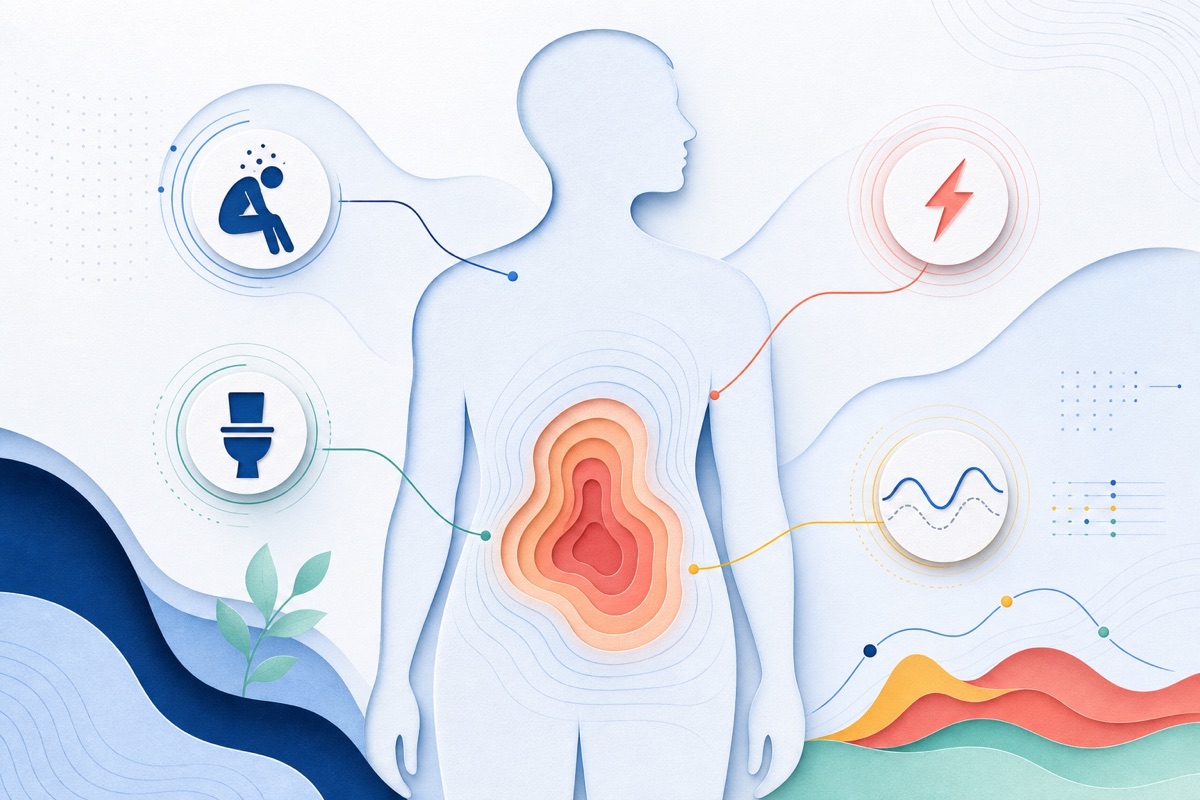
Hormone changes can affect symptoms, and active disease may disrupt menstrual cycles or make conceiving harder. Sexual health can be affected by pain, genital inflammation, and rectovaginal fistulas; some fistulas may heal with medication while others need surgery.
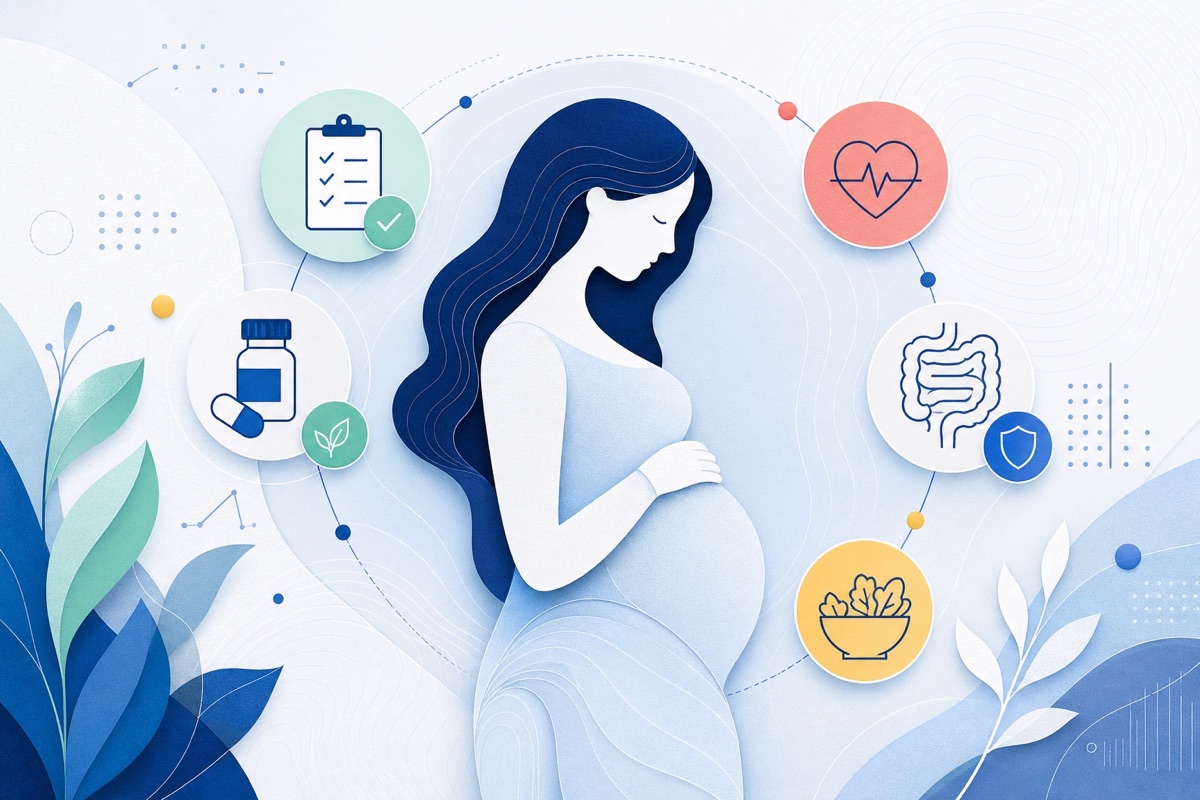
Pregnancy care usually involves planning with both a gastroenterologist and an obstetrician-gynecologist to weigh medication safety and the risks of stopping treatment. Practical points: If you’re planning pregnancy, talk with your care team before conceiving.
If symptoms affect sex life or body image, bring this up with clinicians so they can discuss medical or surgical options and supportive resources. The article is written as practical patient-facing guidance and does not present new trial data or specific treatment recommendations.
This is a patient-education piece summarizing clinical opinions and research reviews rather than primary research. It emphasizes planning pregnancy around disease remission and consulting specialists; it does not replace personalized medical advice.
Review the original publication for the complete reporting, methods, and context.
This Cure8 brief is based on source text from the linked article. Cure8 is informational only and is not a substitute for professional medical advice, diagnosis, or treatment.
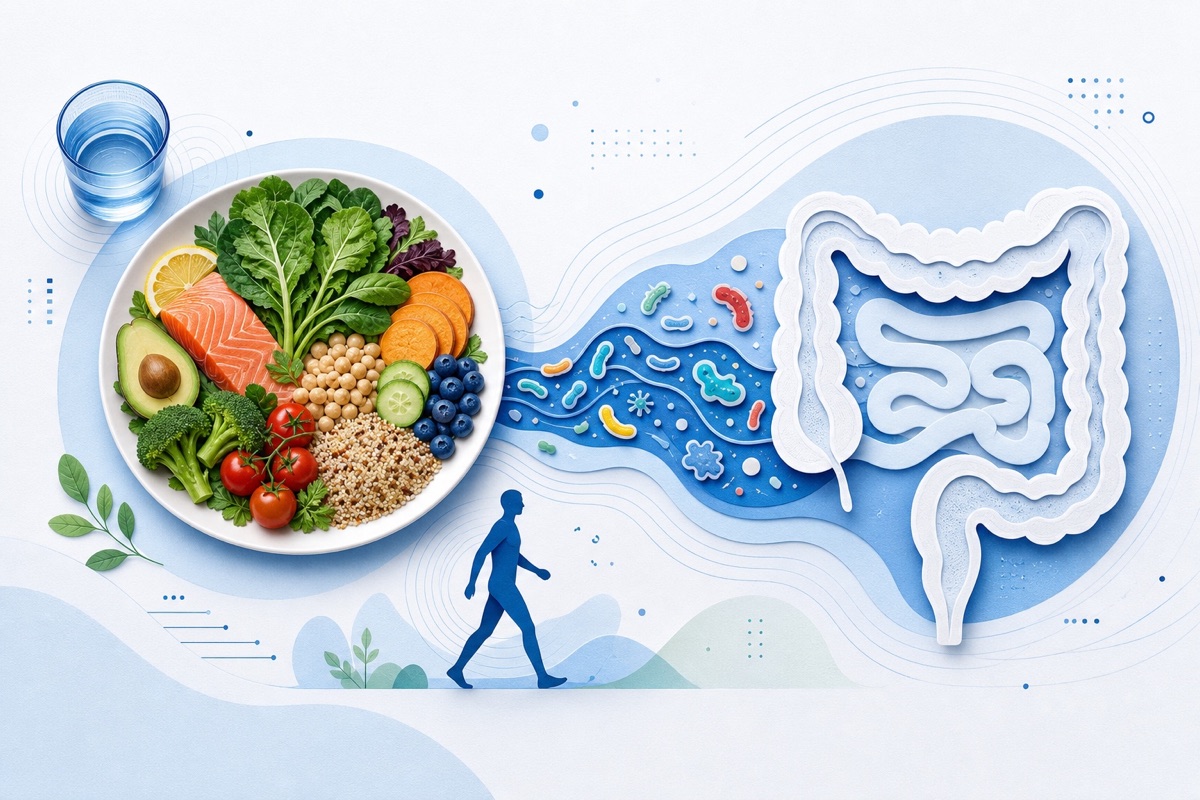
The article highlights a reported rise in IBD among young people and reinforces that diet and lifestyle factors may influence risk and flare-ups. It reminds readers that IBD symptoms can be mistaken for common...
Women with Crohn’s may have additional or different symptoms (period changes, painful sex, fertility concerns, bone and iron problems) that can affect daily life and long-term health. Recognizing these issues helps guide...
Stomach cramps are a common and often painful part of Crohn’s disease that can signal active inflammation or complications. Understanding causes and management options helps people with Crohn’s recognize when to seek...