Overlap of EoE and IBD appears uncommon but more frequent than in the general population and is linked to more allergic disease and higher steroid exposure without clearer increases in esophageal scarring. That may affect monitoring and medication discussions for people with either condition.
Who Should Pay Attention
Adults with EoE or IBD, gastroenterologists and allergists, and researchers studying shared immune mechanisms between GI inflammatory diseases.
Study Snapshot
Story typeResearch paper
Evidence typeResearch paper
Source depthJournal abstract
What To Know
This study used the All of Us Research Program dataset to compare adults with eosinophilic esophagitis (EoE) who do and do not have overlapping inflammatory bowel disease (IBD). Among 797 people with EoE, 28 (3.5%) had concurrent IBD (Crohn's disease or ulcerative colitis), a higher prevalence than the general cohort.
People with both EoE and IBD had higher rates of atopic conditions (asthma and allergic rhinitis) and greater corticosteroid exposure — both systemic and topical — but did not show higher rates of esophageal fibrostenotic complications (dysphagia, food impaction, stricture, or need for dilation) compared with EoE alone.
The timing of diagnoses was mixed: IBD preceded EoE in about half and EoE preceded IBD in about 43%, which the authors interpret as supporting shared immune susceptibility rather than a single disease causing the other.
This report is an observational cohort analysis using diagnosis codes in a large research dataset; it describes associations rather than proving causation.
Keep In Mind
This is a retrospective cohort study using electronic health record–mapped codes (All of Us dataset). Findings are association-based and could be influenced by coding, referral, or treatment biases. The article is an abstract-level structured summary from the journal; Cure8 did not review additional full-text beyond the provided extraction.
Source Details
Review the original publication for the complete reporting, methods, and context.
This Cure8 brief is based on source text from the linked article. Cure8 is informational only and is not a substitute for professional medical advice, diagnosis, or treatment.
TL1A-DR3 is implicated in both inflammation and fibrosis in IBD, so targeting it could address active disease and reduce fibrotic complications that lead to strictures. New TL1A-blocking antibodies are already in...
FAP appears linked to both inflammation and fibrosis in IBD; distinguishing cellular versus extracellular FAP might help develop or validate fibrosis biomarkers that detect fibrostenotic disease.
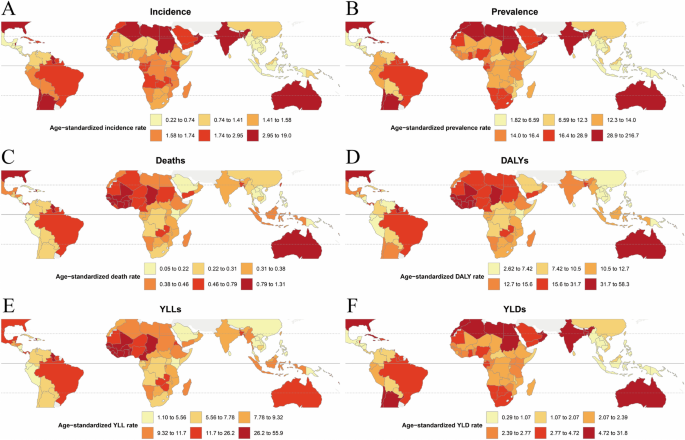
The work links climate and sociodemographic context to IBD burden in tropical regions, which can influence diagnostic recognition, resource needs, and research priorities for communities where IBD is rising.