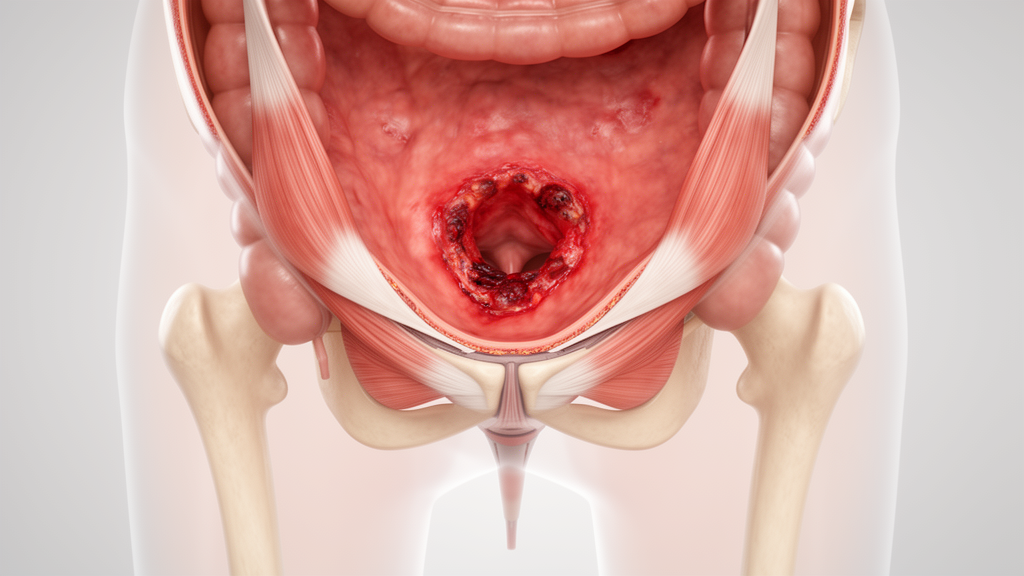
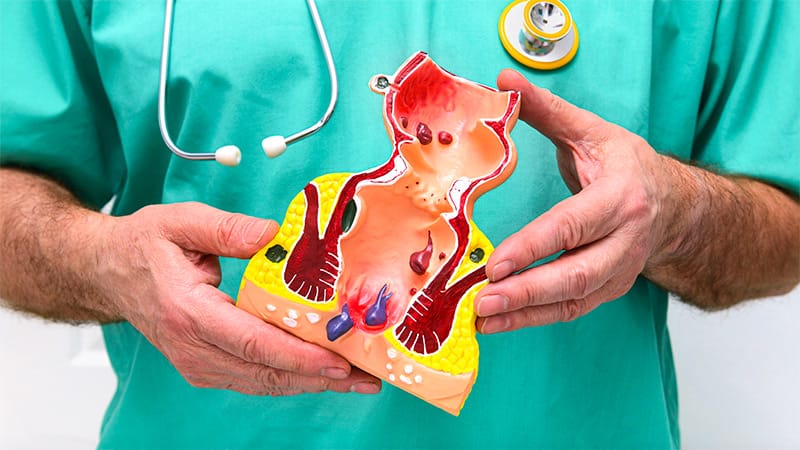
Perianal disease in children with Crohn’s disease appears linked to more severe overall disease and lower remission rates, and in very-early onset cases it is often associated with single-gene (monogenic) mutations — findings that may affect diagnosis, genetic testing decisions, and treatment planning.
Families and clinicians should be aware that very-early onset Crohn’s with perianal involvement can follow a different clinical course and sometimes prompts consideration of specialized therapies.
Who Should Pay Attention
Pediatric patients and their parents/caregivers, clinicians managing pediatric IBD (gastroenterologists, pediatricians), patients with perianal Crohn’s disease, and researchers studying VEO-IBD genetics.
Study Snapshot
Story typeResearch news
Evidence typeClinical study
Source depthFull source text
What To Know
Researchers analyzed 144 Chinese children with Crohn’s disease (2015–2024) and compared those with and without perianal disease, stratifying by age at diagnosis (very-early onset <6 years vs. 6–18 years).
Perianal disease was present in ~39.6% overall, was linked to higher disease severity and lower clinical remission rates, and was more common in very-early onset cases where many carried monogenic mutations (predominantly IL-10RA).
Very-early onset patients with perianal disease had particularly high rates of monogenic mutations and worse outcomes compared with very-early onset patients without perianal disease.
The authors note that individualized treatments such as thalidomide or hematopoietic stem cell transplantation are considered for selected monogenic VEO-IBD patients, but caution against broad use of thalidomide.
This brief is based on the article’s reporting of a BMC Gastroenterology retrospective cohort; Cure8 has not independently reviewed the full journal article or underlying data.
Keep In Mind
This report summarizes a retrospective cohort study published in BMC Gastroenterology; retrospective design can show associations but not prove causation. The article notes a high prevalence of IL-10RA and other monogenic mutations in the smallest children with perianal disease — such genetic findings typically require confirmatory testing and specialist genetic counseling.
Suggested therapies mentioned (thalidomide, hematopoietic stem cell transplantation) are for selected cases and have important risks; they are not standard first-line treatments for most children with Crohn’s disease.
Source Details
Review the original publication for the complete reporting, methods, and context.
This Cure8 brief is based on source text from the linked article. Cure8 is informational only and is not a substitute for professional medical advice, diagnosis, or treatment.
This study suggests that using 5‑ASA drugs early in children with Crohn’s disease was common but linked to more steroid use, delayed biologic treatment, and lower biologic durability — outcomes that matter for long‑term...
This study highlights changing patterns of IBD presentation and treatment over 26 years in a large Hispanic cohort, which may affect outcomes and access-to-care discussions for Hispanic patients.
Perianal abscesses or fistulas in children can be an early sign of Crohn's disease. Recognizing which kids are at higher risk helps guide follow-up and testing so diagnosis isn't delayed.