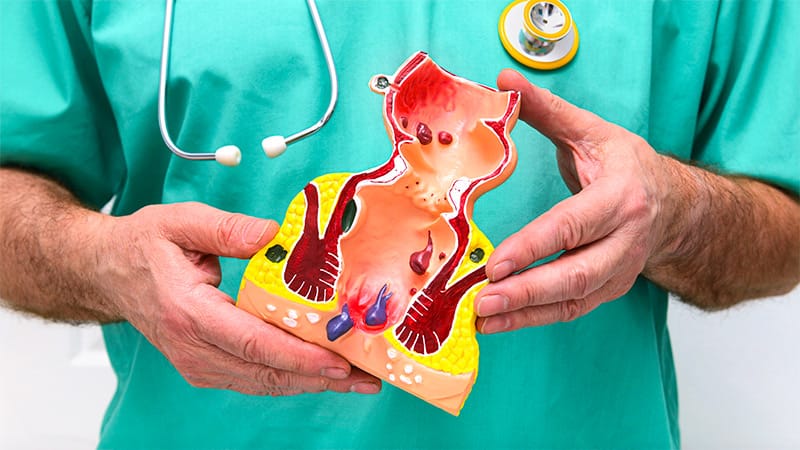
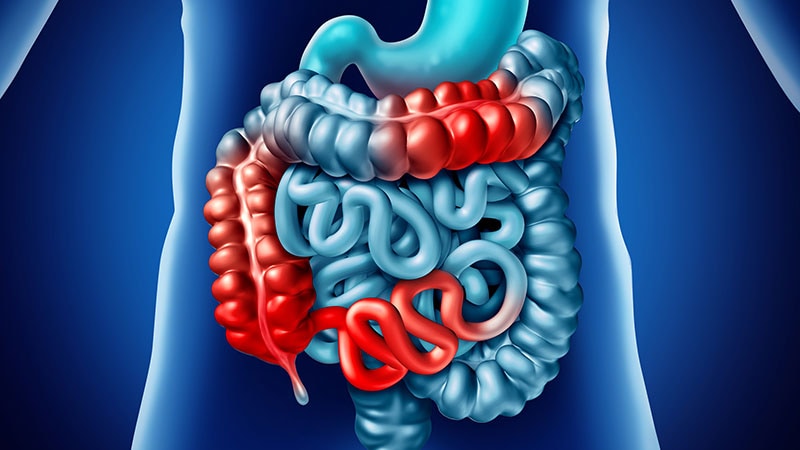
Perianal abscesses or fistulas in children can be an early sign of Crohn's disease. Recognizing which kids are at higher risk helps guide follow-up and testing so diagnosis isn't delayed.
Who Should Pay Attention
Pediatric patients with perianal abscess/fistula, parents and caregivers, pediatric surgeons, pediatric gastroenterologists, and researchers studying pediatric IBD
Study Snapshot
Story typeResearch news
Evidence typeClinical study
Source depthFull source text
What To Know
Children who present with perianal abscess or fistula-in-ano appear to have a substantial risk of later being diagnosed with Crohn's disease, especially older children and those with recurrent perianal disease or GI symptoms.
In this retrospective multicenter study of 152 children (median age 11.1 years) followed for a median 6.2 years, 21.1% were eventually diagnosed with Crohn's disease; the median interval from perianal presentation to diagnosis was 4.7 months. Higher faecal calprotectin levels were reported in the subset who developed Crohn's disease.
What to watch for: older children (particularly age 12–18) and those with recurrent perianal problems or accompanying GI symptoms had higher odds of a Crohn's diagnosis. The authors recommend heightened clinical awareness and follow-up after an initial perianal abscess or fistula presentation.
Practical notes: this was a retrospective study from five Dutch hospitals with limitations including sample size and potential underrepresentation of non-surgical cases.
The findings suggest that measuring faecal calprotectin and monitoring for GI symptoms could help identify children who need further evaluation for IBD, but the study does not define specific testing or management protocols.
Keep In Mind
This is a retrospective multicenter cohort study with modest sample size and possible selection bias toward surgically managed children. Results point to associations (age, recurrence, GI symptoms, higher faecal calprotectin) but do not establish causation or specific clinical protocols.
The original Journal of Pediatric Gastroenterology and Nutrition article may provide more detailed methods and data.
Source Details
Review the original publication for the complete reporting, methods, and context.
Clinical studyArticle type assigned from Cure8 classification; confirm details in the original source.
Publicationmedscape.com
Indexed viaBing News
Source typeResearch news
PublishedMar 6, 2026, 4:28 AM
Content availableFull source text
This Cure8 brief is based on source text from the linked article. Cure8 is informational only and is not a substitute for professional medical advice, diagnosis, or treatment.
The article explains how gut bacteria may contribute to IBD and summarizes common tests and treatments people are likely to encounter. It highlights emerging microbial therapies (probiotics and FMT) that some patients...
Patients considering switching biologics or clinicians choosing a second‑line therapy may care because the study suggests ustekinumab had better long‑term persistence and improving remission rates compared with anti‑TNF...
People with Crohn’s disease who have an ileostomy have limited noninvasive ways to monitor small-bowel inflammation. This study suggests measuring fecal calprotectin from ileostomy output could help detect postoperative...