emjreviews.com
Cure8 news brief
Crohn’s Disease Monocytes Promote Intestinal Inflammation
Research and clinical trials
Clinical study
Clinicians
Researchers
Adult patients
Crohn's disease
Inflammatory bowel disease
Cure8 news brief
This study suggests that circulating monocytes in newly diagnosed Crohn’s disease are transcriptionally and epigenetically reprogrammed toward inflammatory behaviour before they reach the gut, which could help explain persistent intestinal inflammation and point to new research targets.
Clinicians treating IBD, researchers studying immune mechanisms in Crohn’s disease, and informed patients interested in disease mechanisms.
This report summarizes a JCI Insight study that used single-cell transcriptomic and epigenomic methods plus functional assays to compare circulating blood monocytes from newly diagnosed, treatment‑naïve Crohn’s disease patients and healthy controls.
The authors found a distinct inflammatory transcriptional and chromatin-accessibility programme in Crohn’s monocytes (including NFκB, EGR, KLF, AP-1 signatures) and evidence that interferon-γ may prime monocytes by limiting IL‑10 regulatory effects.
These altered features persisted in monocyte‑derived intestinal cells, suggesting systemic reprogramming before tissue recruitment. The study links systemic immune signalling to later macrophage behaviour in the gut and proposes circulating monocytes as contributors to intestinal inflammation in Crohn’s disease.
The work used single-cell and epigenomic approaches and functional assays; the report cites Hornsby et al., JCI Insight (2026) as the source. This is a mechanistic, translational research study rather than a clinical trial of a therapy.
It suggests potential pathways and cellular targets for future research but does not provide clinical recommendations or treatment findings.
The article summarizes a JCI Insight research paper using single-cell and epigenomic methods; it reports mechanistic findings rather than clinical trial results. Additional studies will be needed to validate pathways and assess clinical relevance.
Review the original publication for the complete reporting, methods, and context.
This Cure8 brief is based on source text from the linked article. Cure8 is informational only and is not a substitute for professional medical advice, diagnosis, or treatment.
The study points to a specific immune cell type (pro-inflammatory CD4+ macrophages) and altered cellular interactions in rectal tissue that are linked to perianal fistulizing Crohn's disease, which may help explain...
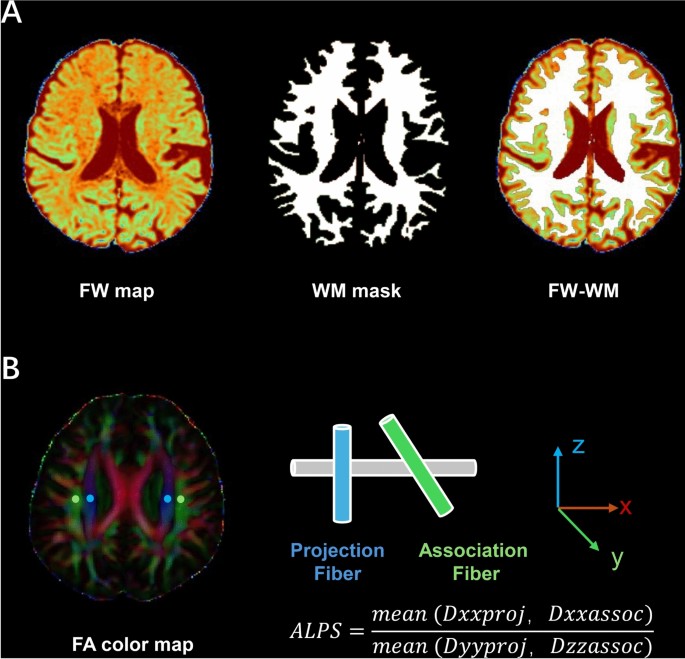
If confirmed, a brain perivascular/glymphatic change linked to intestinal inflammation could help explain why sleep problems are common in Crohn's disease and point to new research targets for symptom mechanisms and...
This study suggests brain glymphatic function — a fluid-clearance system — may be altered in people with Crohn’s disease and could relate to inflammation and common neuropsychiatric symptoms like fatigue, anxiety,...