Case reports in gastrointestinal medicine
Cure8 research brief
Cure8 research brief
This report shows intestinal tuberculosis can present like inflammatory bowel disease with lower GI bleeding, leading to diagnostic delay; correct identification allowed targeted anti-TB and HIV therapy and clinical improvement.
Clinicians evaluating suspected IBD or unexplained lower GI bleeding, infectious disease specialists, and adult patients who are immunocompromised or from TB-endemic areas.
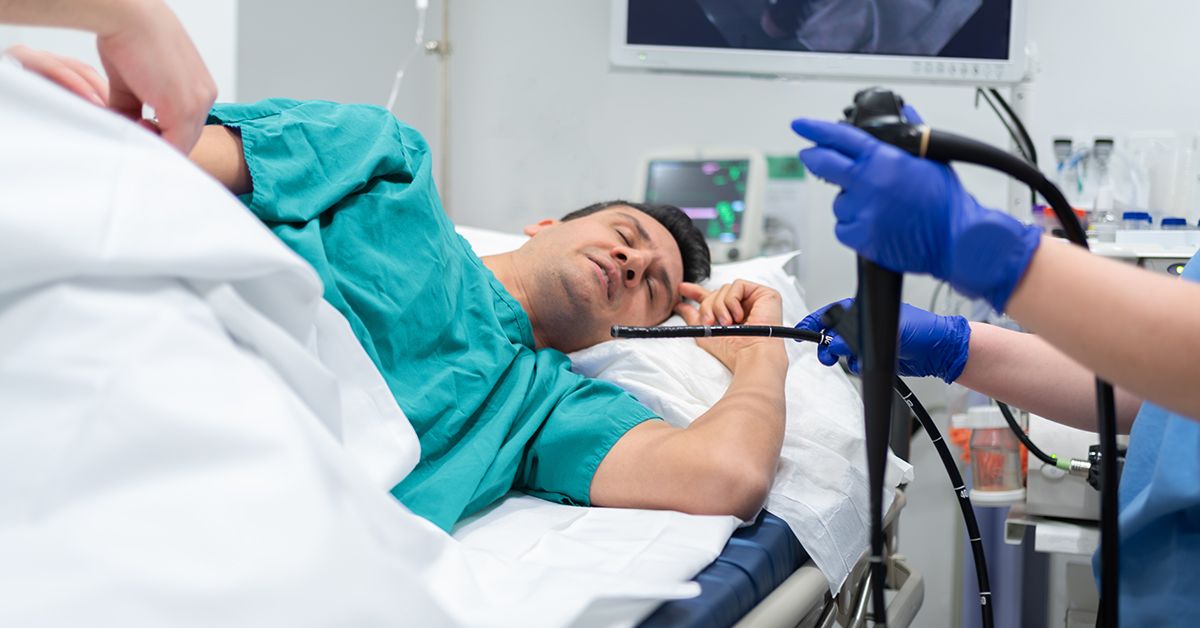
A woman in her sixties with newly diagnosed advanced HIV had multifocal small- and large-bowel disease including ileocaecal and rectoanal involvement. Initial endoscopy was nondiagnostic; repeat colonoscopic biopsy showed caseating granulomas and acid-fast bacilli, confirming intestinal TB.
The patient improved after antituberculous therapy and later antiretroviral treatment. Because intestinal TB can resemble Crohn's disease on imaging and endoscopy, clinicians often integrate clinical history, radiology, endoscopy, and specific histopathology (including acid-fast stains) to distinguish them.
That diagnostic clarification was central to this case and to choosing appropriate medical therapy.
This is a single case report (abstract-level content). It illustrates a diagnostic pitfall but does not provide data on frequency or comparative outcomes. intestinal TB is uncommon in many settings and requires specific microbiologic/histologic confirmation.
Review the original publication for the complete reporting, methods, and context.
Conflict statement: The authors declare no conflicts of interest.
This Cure8 brief is based on source text from the linked article. Cure8 is informational only and is not a substitute for professional medical advice, diagnosis, or treatment.
Mucosal healing is a treatment goal that aims to stop internal intestinal inflammation, not just symptoms. Achieving mucosal healing is linked with fewer hospitalizations, less need for surgery, and lower rates of...
Risk stratification helps identify people with Crohn's who are more likely to develop strictures, fistulas, or need surgery so clinicians can monitor and treat them more aggressively early on. Objective tests like fecal...
You can have active intestinal inflammation even without clear symptoms; early monitoring and tailored treatment aim to prevent complications and preserve quality of life.