gq.com
Cure8 news brief
How to Date with Crohn's Disease, According to Experts - GQ
Mental health and quality of life
Diarrhea
Nausea
Fatigue
Mouth Sores
Patient Education
Adult patients
Newly Diagnosed
Cure8 news brief
Dating and relationships raise specific emotional and practical questions for people with Crohn’s (disclosure, symptom management, medication side effects). This article offers real-world tips to help people navigate those issues and protect their well-being while pursuing connections.
Adults with Crohn’s/IBD who are dating, newly diagnosed patients, partners/caregivers, clinicians interested in quality-of-life issues
The article emphasizes that Crohn’s doesn’t disqualify someone from dating; it focuses on when and how to disclose the diagnosis, recognizing partners’ responses as informative, and protecting your energy during flares. It also recommends building self-worth through supportive communities, therapy, and affirming social spaces.
It notes practical dating considerations—planning for bathrooms, food, and side effects such as fatigue or nausea—and encourages honoring your body’s needs instead of pushing through flares. Experts quoted include gastroenterologists and mental-health professionals; the tone is practical and person-centered.
Feature article in a mainstream magazine summarizing expert opinions and practical strategies; not primary clinical research. Summary is grounded in the article’s full text.
Review the original publication for the complete reporting, methods, and context.
This Cure8 brief is based on source text from the linked article. Cure8 is informational only and is not a substitute for professional medical advice, diagnosis, or treatment.
Stigma is common in people with IBD and can worsen isolation, anxiety, and quality of life. Practical coping strategies and support resources can help reduce emotional burden and improve daily functioning.
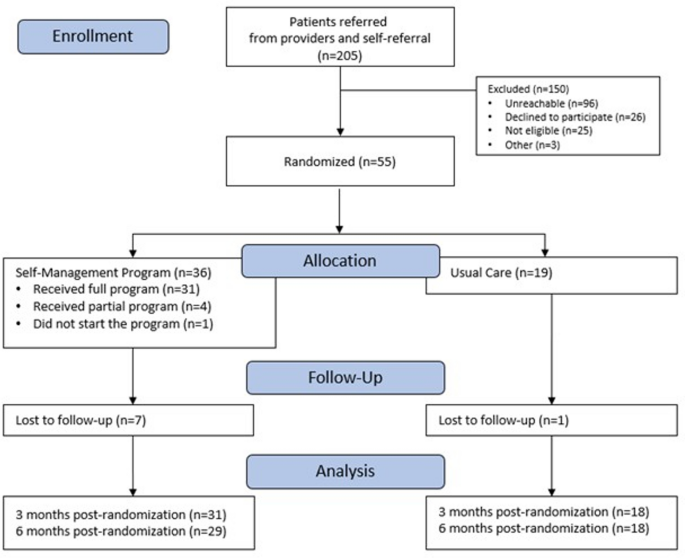
Self‑management programs delivered by nurses may help people with IBD improve daily functioning, confidence in managing their condition, and quality of life even when inflammation markers don’t change. That matters...
Energy depletion, poor sleep, and stress are common in Crohn’s disease and can worsen quality of life. Practical self-care strategies may help patients feel better day-to-day when used alongside medical treatment.