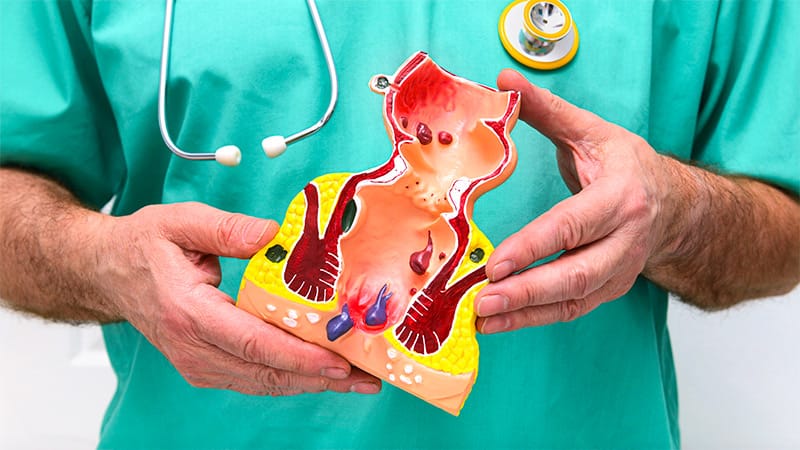
Growth and nutrition are major concerns in children with Crohn’s disease. This study suggests perianal disease and common inflammatory and nutritional markers may help predict which children are at higher risk for inadequate short-term weight/BMI recovery.
Who Should Pay Attention
Pediatric patients with Crohn’s disease, parents and caregivers, pediatric gastroenterologists, and researchers studying pediatric IBD nutrition and prognostic models.
Study Snapshot
Story typeResearch paper
Evidence typeClinical study
Source depthFull source text
What To Know
Perianal disease was associated with smaller 6-month BMI Z-score (BMIZ) gains in this single-center retrospective cohort of 51 children with Crohn’s disease.
The authors used linear mixed models and LASSO selection to create a nomogram predicting 6-month ΔBMIZ; the final model included perianal disease, positive fecal occult blood test, biologic therapy, ESR, hemoglobin, and 25-hydroxyvitamin D3. Internal validation (bootstrap) and decision-curve analysis are reported.
Keep In Mind
This is a single-center, retrospective study with 51 patients and internal validation only; performance and generalizability to other populations need external validation before the nomogram is used broadly. The model predicts 6-month BMIZ change, not long-term outcomes or specific treatment effects.
Source Details
Review the original publication for the complete reporting, methods, and context.
Clinical studyArticle type assigned from Cure8 classification; confirm details in the original source.
Publicationlink.springer.com
Indexed viaGoogle News
Source typeResearch paper
PublishedJul 5, 2026, 7:38 AM
Content availableFull source text
This Cure8 brief is based on source text from the linked article. Cure8 is informational only and is not a substitute for professional medical advice, diagnosis, or treatment.
Perianal abscesses or fistulas in children can be an early sign of Crohn's disease. Recognizing which kids are at higher risk helps guide follow-up and testing so diagnosis isn't delayed.
Noninfectious (aseptic) abscesses or persistent lymphadenitis can be an early extraintestinal sign of IBD in children. Recognizing this link can prompt appropriate imaging and endoscopic evaluation that may lead to...
This study maps what researchers have been publishing about Crohn's disease in children over the past decade, highlighting major topics, influential papers, and active authors/institutions.