Many people with IBD still experience active disease, poor quality of life, work impairment, and depression even while on advanced therapies — highlighting gaps in how we measure and manage treatment success. Who this affects: patients on biologics/advanced treatments and their care teams.
Who Should Pay Attention
Adult patients with IBD on advanced therapies, clinicians treating IBD, patient advocates, and researchers focused on real-world patient-reported outcomes.
Study Snapshot
Story typeResearch paper
Evidence typeResearch paper
Source depthJournal abstract
What To Know
This survey of 287 adult Greek patients with Crohn’s disease (CD) or ulcerative colitis (UC) who were receiving advanced therapies found a high residual disease burden despite treatment.
Over half (57.1%) reported active disease; about three-quarters had impaired quality of life; nearly 1 in 3 reported work productivity loss; almost half had moderate-to-severe depressive symptoms; and about 39% were dissatisfied with their advanced therapy.
The data come from a structured, self-reported questionnaire administered to members of a national patient organization (HELLESCC) between October 2023 and January 2024.
Analyses included associations between disease activity and patient-reported outcomes (SIBDQ, WPAI, PHQ-9), showing higher disease activity linked to worse QoL, greater work impairment, more depressive symptoms, and lower treatment satisfaction.
These findings highlight persistent unmet needs among patients on advanced treatments and the importance of assessing mental health, work impact, treatment satisfaction, and adherence alongside disease activity in routine care.
Keep In Mind
Survey participants were members of a national patient group and responded to a self-reported questionnaire between Oct 2023–Jan 2024. Results are associative and may not generalize beyond this population. Structured content depth: abstract.
Source Details
Review the original publication for the complete reporting, methods, and context.
This Cure8 brief is based on source text from the linked article. Cure8 is informational only and is not a substitute for professional medical advice, diagnosis, or treatment.
The study suggests anxiety, depression, poor sleep, and low exercise are linked with higher risk of IBD flares. That means mental health and lifestyle may be important parts of managing IBD alongside medical care.
Sexual dysfunction is common in IBD and—according to this study—appears more strongly linked to psychological and demographic factors than to disease activity or muscle loss. Recognizing and treating mental-health issues...
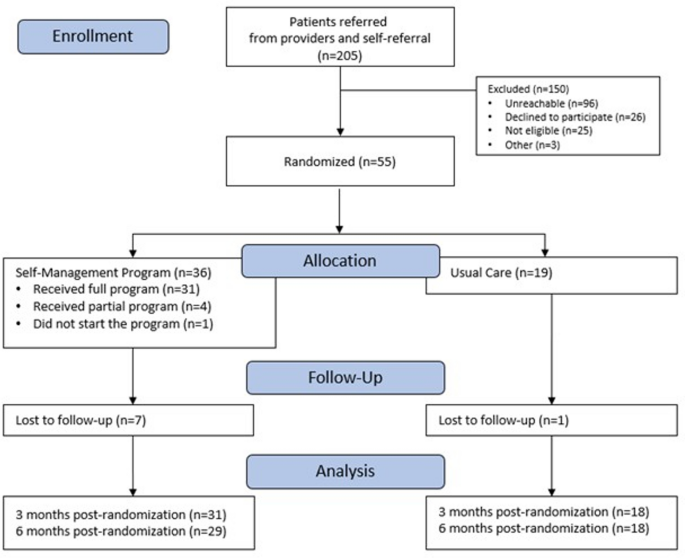
Self‑management programs delivered by nurses may help people with IBD improve daily functioning, confidence in managing their condition, and quality of life even when inflammation markers don’t change. That matters...