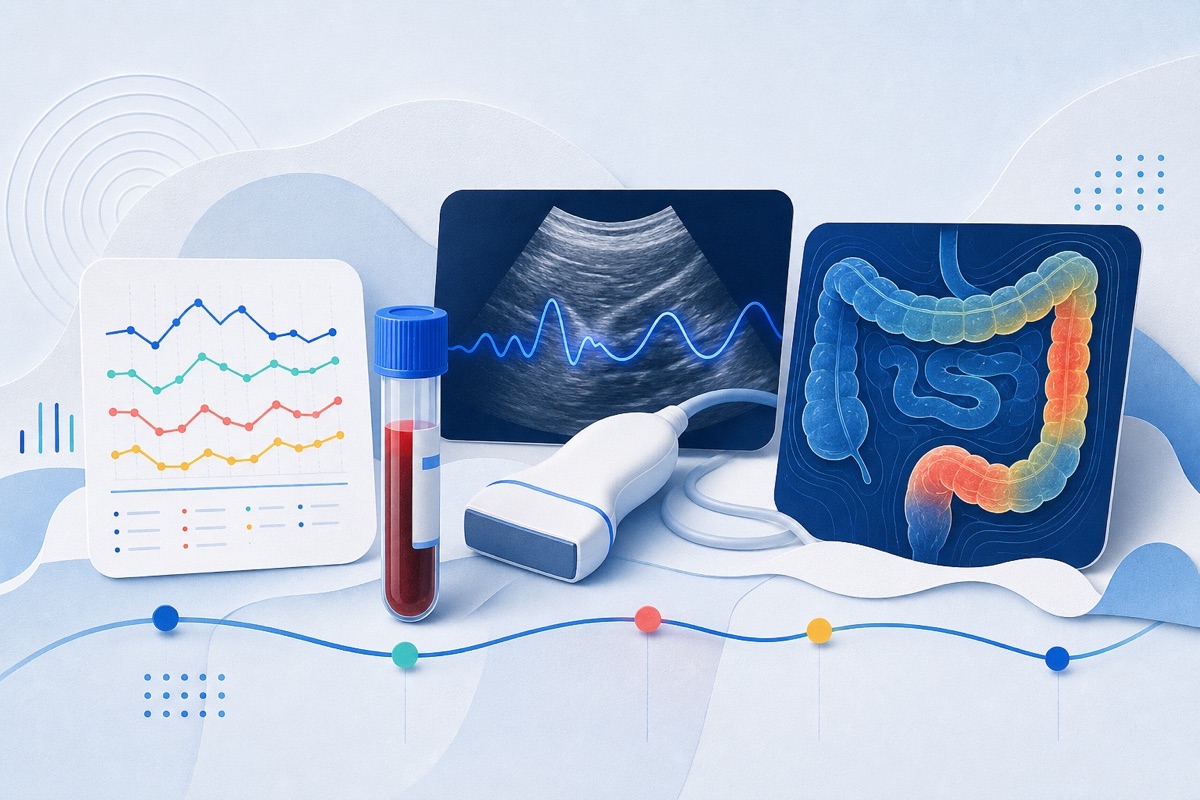
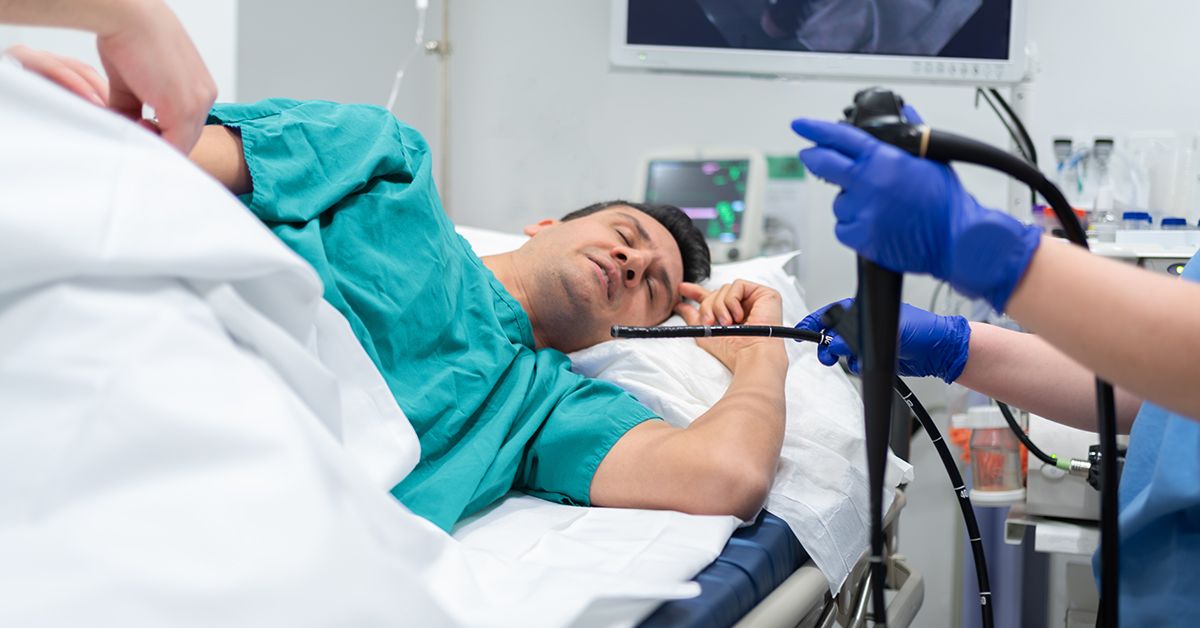
FibroScan detects liver fibrosis and steatosis that are common and sometimes under-recognized in people with IBD; identifying liver disease earlier could change monitoring or referral decisions, especially for patients with steroid exposure or metabolic risk factors.
Who Should Pay Attention
Adult patients with IBD (especially those with long disease duration, metabolic comorbidities, or heavy corticosteroid exposure), gastroenterologists, hepatologists, and researchers studying IBD-related liver disease and noninvasive biomarkers.
Study Snapshot
Story typeResearch paper
Evidence typeResearch paper
Source depthJournal abstract
What To Know
This article summarizes evidence from 13 studies (≈2,700 patients) that used FibroScan-based LSM/CAP in adults with IBD. TE appears to give information that liver enzymes alone can miss and may help identify patients who need further hepatology evaluation (for example, transient elastography-detected advanced fibrosis or high steatosis burden).
For patients: If you have long-standing IBD, metabolic risk factors, or prolonged steroid use, FibroScan could be a reasonable part of liver health monitoring; discuss availability and implications with your gastroenterologist.
For clinicians and services: The review calls for standardized cutoff values, more longitudinal data, and routine integration of TE into IBD follow-up pathways, especially for higher-risk patients.
Keep In Mind
This is a narrative review based on studies that specifically used FibroScan (transient elastography). Cutoff values varied across studies and longitudinal prognostic data are limited, so TE findings should be interpreted alongside clinical risk factors and, when needed, specialist input.
Source Details
Review the original publication for the complete reporting, methods, and context.
This Cure8 brief is based on source text from the linked article. Cure8 is informational only and is not a substitute for professional medical advice, diagnosis, or treatment.
Mucosal healing is a treatment goal that aims to stop internal intestinal inflammation, not just symptoms. Achieving mucosal healing is linked with fewer hospitalizations, less need for surgery, and lower rates of...
Researchers and clinicians seeking noninvasive ways to monitor inflammation may be interested because saliva showed higher TNF‑α and IL‑10 in people with Crohn’s disease. Patients may find it encouraging that simple...
You can have active intestinal inflammation even without clear symptoms; early monitoring and tailored treatment aim to prevent complications and preserve quality of life.