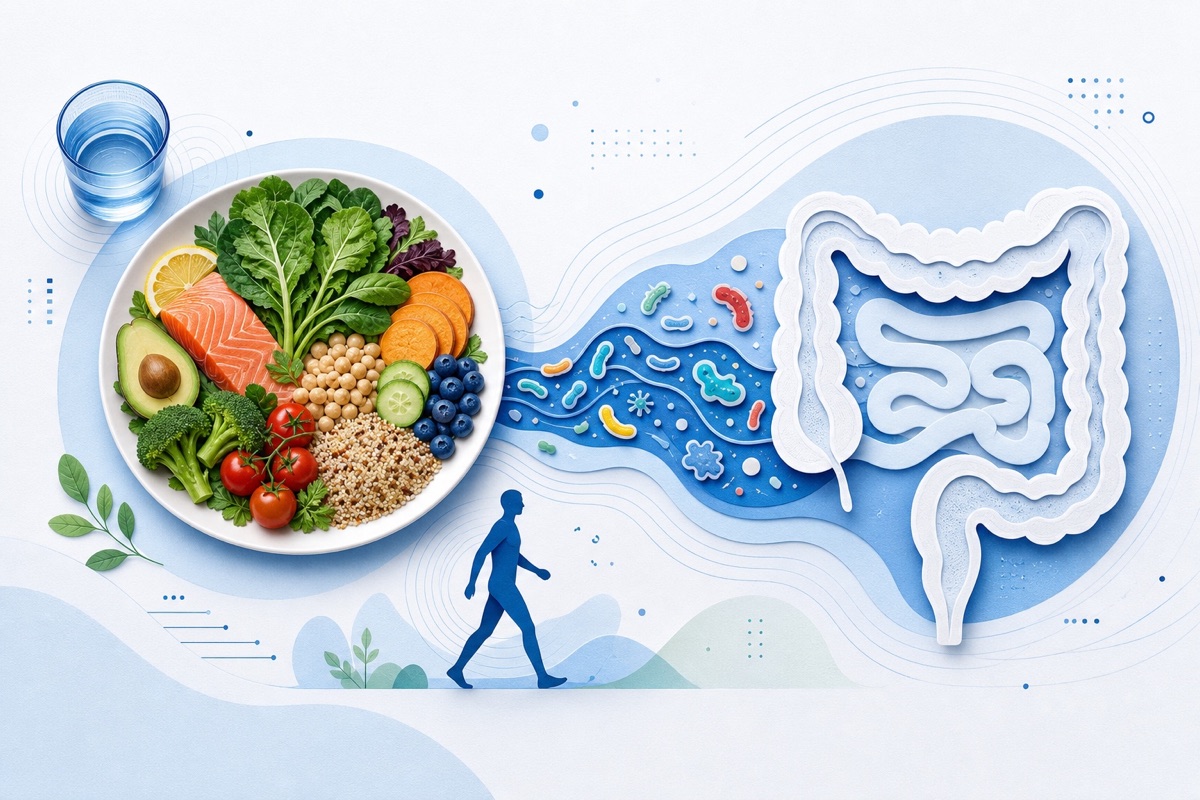
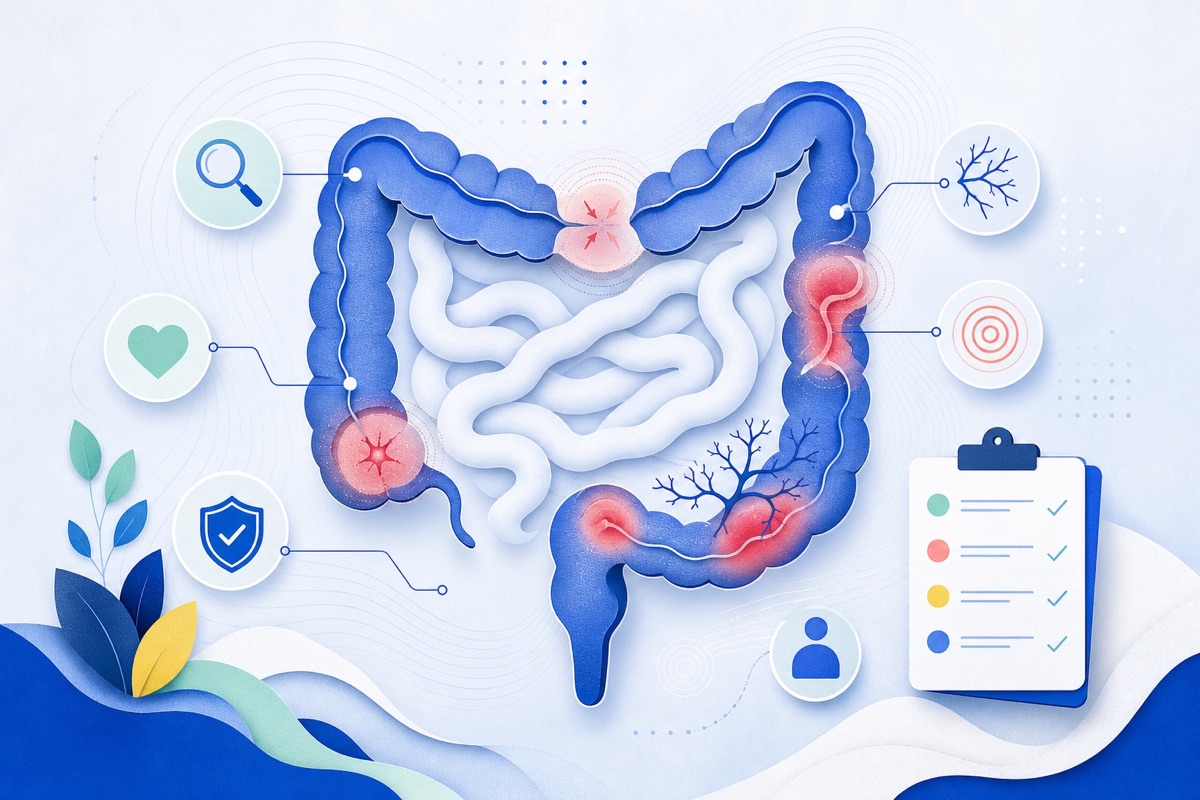
America's alarming bowel disease epidemic: Experts reveal the lifestyle habits driving Crohn's surge... the surprising colon cancer paradox... and simple tweaks to reduce your risk
Crohn's is becoming more common among younger Americans and long-term uncontrolled inflammation raises colorectal cancer risk. Understanding possible lifestyle and medical factors can help patients and clinicians focus on prevention, monitoring, and disease control.
Who Should Pay Attention
Adults with Crohn's or IBD, newly diagnosed patients, clinicians who manage IBD, and people interested in lifestyle and gut-microbiome links to disease.
Study Snapshot
Story typeMainstream News
Evidence typePatient Education
Source depthFull source text
What To Know
This Daily Mail feature summarizes expert views and research about rising Crohn's disease rates in younger Americans, possible lifestyle and early-life drivers (including diet, antibiotics and smoking), genetic contributions, the link between chronic inflammation and colorectal cancer, and the role of colonoscopy and modern treatments in reducing cancer risk.
The article emphasizes that Crohn's often begins before age 40, that changes to the gut microbiome and immune system in early adulthood may contribute, and that genetics increase risk but do not fully explain recent incidence trends.
It also explains that people with colonic IBD face higher colorectal cancer risk driven by chronic inflammation, and notes that better treatments and surveillance (more frequent colonoscopy for many patients) likely help lower cancer rates in IBD.
Practical prevention tips and lifestyle factors are discussed in general terms, but the piece is an overview of expert commentary rather than a report of a new clinical trial or original study.
Keep In Mind
This is a mainstream-news feature summarizing expert opinions and published studies; it is not primary research. Specific numeric trends and study findings quoted are taken from the article's reporting and should be checked against original studies or guidelines for clinical decisions.
Source Details
Review the original publication for the complete reporting, methods, and context.
This Cure8 brief is based on source text from the linked article. Cure8 is informational only and is not a substitute for professional medical advice, diagnosis, or treatment.
Chronic inflammation in Crohn’s, especially when the colon is affected, raises colorectal cancer risk over time. Knowing risk factors and recommended screening helps people with Crohn’s get earlier detection and...
The article explains how gut bacteria may contribute to IBD and summarizes common tests and treatments people are likely to encounter. It highlights emerging microbial therapies (probiotics and FMT) that some patients...
Many people with Crohn’s disease have ongoing inflammation despite stable medication. If dietary personalization can reduce inflammation, it could offer a nonpharmacologic add-on to help bridge gaps without immediate...