healthline.com
Cure8 news brief
Cure8 news brief
Anal fistulas are a common and often painful complication of Crohn’s disease that usually need medical or surgical treatment. Managing the underlying Crohn’s with biologic therapy is often necessary for fistulas to heal. The article outlines diagnosis, when imaging is used, and common surgical approaches.
Adults with Crohn’s disease, people experiencing perianal pain or drainage, caregivers, and clinicians who manage IBD-related perianal disease.
Anal fistulas are a known complication of Crohn’s disease. This Healthline article explains how fistulas form, common symptoms (pain, swelling, pus drainage, fever), how doctors diagnose them (physical exam and imaging such as CT or MRI), and typical treatments.
Treatments described include antibiotics, seton placement to allow drainage, and several surgical approaches (fistulotomy, fistulectomy). The article notes that fistulas related to Crohn’s often need control of underlying disease with biologic medications to heal.
If you have Crohn’s and a painful lump, drainage, or fever near your anus, the article advises seeing a clinician for evaluation and imaging. Management may combine draining procedures (and temporary setons), surgery, antibiotics, and medical therapy for Crohn’s (often biologics) rather than expecting spontaneous healing.
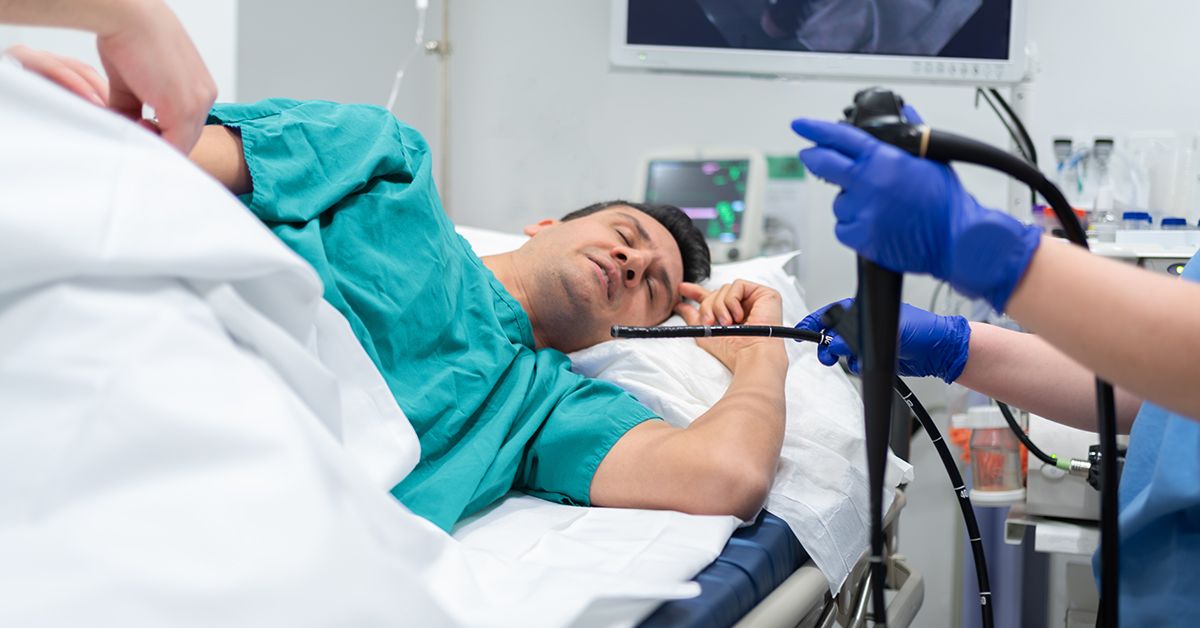
Post-procedure care such as wound cleaning, pain control, and preventing constipation are commonly recommended; the article also mentions that some procedures are outpatient while others require general anesthesia in an operating room.
This summary focuses on what the Healthline piece reports about diagnosis and treatment options without adding clinical recommendations.
This is a patient-education article summarizing standard clinical approaches. It is not a research report and does not replace medical evaluation. Treatment choices depend on fistula type, severity, presence of abscess, and overall Crohn’s control; discuss options with a specialist.
Review the original publication for the complete reporting, methods, and context.
This Cure8 brief is based on source text from the linked article. Cure8 is informational only and is not a substitute for professional medical advice, diagnosis, or treatment.
If your Crohn’s gets worse, your care plan may change — from new medicines to nutritional support or surgery — and this article summarizes common steps doctors take to prevent complications and control inflammation.
You can have active intestinal inflammation even without clear symptoms; early monitoring and tailored treatment aim to prevent complications and preserve quality of life.
Vulvar Crohn’s is an uncommon but real extraintestinal manifestation that can cause painful skin changes and sometimes appears before GI Crohn’s is diagnosed. Knowing about it may speed diagnosis and lead to coordinated...