The American journal of gastroenterology· via Europe PMC
Cure8 research brief
Disorders of Gut-Brain Interaction like symptoms in Children with Inflammatory Bowel Disease: A Multicenter Prospective Study from the Pediatric IBD Porto Group of the ESPGHAN.
Children with IBD can have persistent gut–brain interaction symptoms even when inflammation is quiescent; these symptoms are linked with worse quality of life and higher anxiety. Recognizing DGBI-like symptoms may help clinicians and families address symptom burden beyond treating inflammation.
Who Should Pay Attention
Pediatric patients with IBD and their parents/caregivers; pediatric gastroenterologists, primary pediatricians, and mental-health clinicians who manage youth with IBD; researchers studying pediatric IBD, DGBI, or psychogastroenterology.
Study Snapshot
Story typeResearch paper
Evidence typeResearch paper
Source depthJournal abstract
What To Know
This multicenter prospective study enrolled 10–18-year-olds with biochemically quiescent IBD (with/without endoscopic confirmation) and age/sex-matched healthy controls to measure Rome IV–defined disorders of gut–brain interaction (DGBI)-like symptoms, quality-of-life (IMPACT III), and psychological burden (PROMIS Anxiety, Visceral Sensitivity Index-Child, Behavioral Response Questionnaire-Child).
Key findings reported in the abstract: DGBI-like symptoms were common in children with quiescent IBD (34.4%) and did not differ significantly in prevalence from healthy controls (41.8%). Functional abdominal pain disorders were present in 24.4% of the IBD group.
Children with IBD plus DGBI-like symptoms had worse HR-QoL (lower IMPACT III scores) and higher anxiety scores. Female sex was an independent predictor of DGBI-like symptoms.
The study appears to use validated pediatric questionnaires and fecal calprotectin screening for controls; the structured abstract supports these points but Cure8 did not review the full paper beyond the provided abstract.
Keep In Mind
This classification and brief are based on the article abstract (structured content depth: abstract). The study screened controls with fecal calprotectin and used Rome IV criteria and validated questionnaires.
The abstract reports associations but not causal conclusions; details such as exact inclusion/exclusion criteria, endoscopic-confirmation rates, and longitudinal outcomes are only in the full paper.
Source Details
Review the original publication for the complete reporting, methods, and context.
This Cure8 brief is based on source text from the linked article. Cure8 is informational only and is not a substitute for professional medical advice, diagnosis, or treatment.
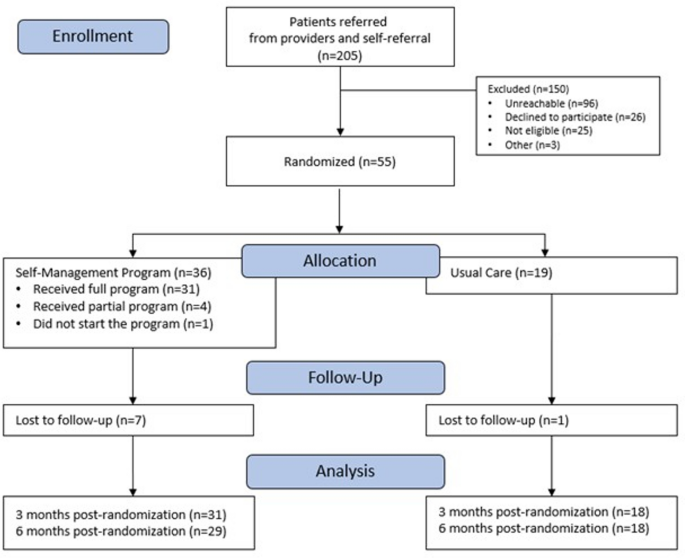
Self‑management programs delivered by nurses may help people with IBD improve daily functioning, confidence in managing their condition, and quality of life even when inflammation markers don’t change. That matters...
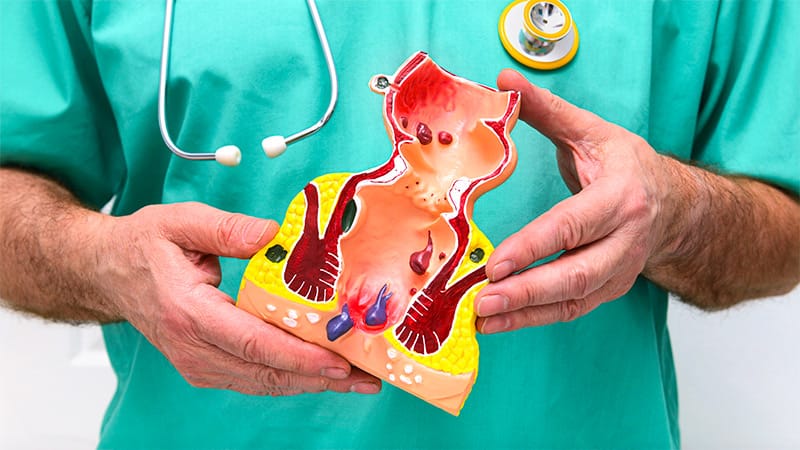
Perianal abscesses or fistulas in children can be an early sign of Crohn's disease. Recognizing which kids are at higher risk helps guide follow-up and testing so diagnosis isn't delayed.
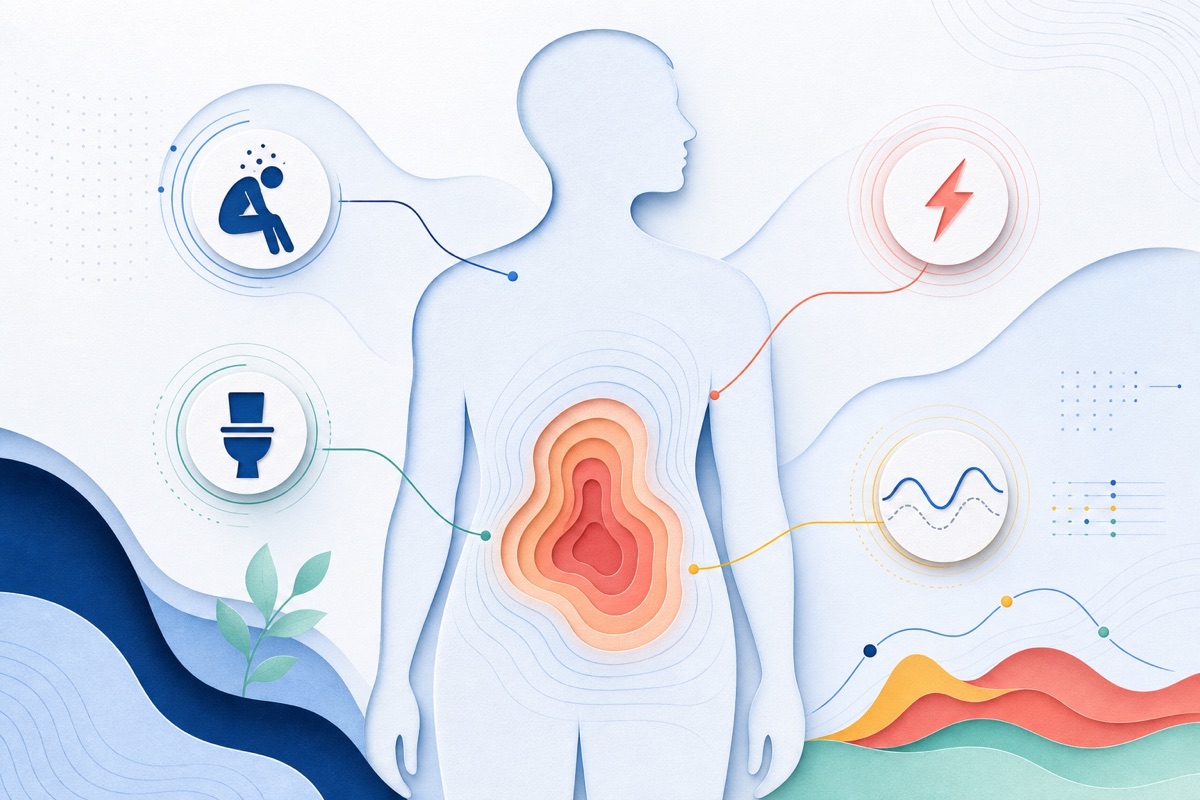
Fatigue is a common, often persistent symptom in Crohn’s disease even during remission. This study suggests brain structure differences may be linked to fatigue when inflammation is low, pointing to potential...