Evidence types

Basic Science

Basic science articles covering early-stage IBD research, disease mechanisms, lab findings, microbiome work, genetics, and experimental models.

Page 15 of 15 · 707 articles

Glycocholic acid inhibits TRIB3-ID1 axis to acelerate colitis progression via suppressing intestinal stem cell renewal.
Nature communications

Glycocholic acid inhibits TRIB3-ID1 axis to acelerate colitis progression via suppressing intestinal stem cell renewal.

The paper proposes a specific molecular link between elevated glycocholic acid (a bile acid altered in IBD) and impaired intestinal stem cell renewal via the TRIB3–ID1 pathway, which could help explain poor mucosal...
Read Summary
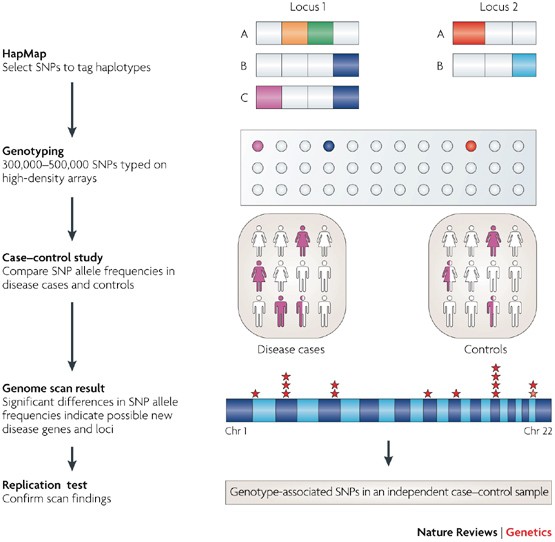
New links to the pathogenesis of Crohn disease provided by genome-wide association scans
nature.com

New links to the pathogenesis of Crohn disease provided by genome-wide association scans

Genetic studies help reveal biological pathways behind Crohn’s disease, which can guide research into new treatments and better understanding of disease mechanisms. People with Crohn’s disease may find it useful to know...

Read Summary
Crohn's Disease-associated variant in laccase domain containing 1 (LACC1) modulates T ... - Nature
nature.com

Crohn's Disease-associated variant in laccase domain containing 1 (LACC1) modulates T ... - Nature

The paper links a Crohn’s disease GWAS signal to reduced LACC1 expression in lymphocytes and to altered immunometabolic function, clarifying a potential mechanism by which genetic variation contributes to IBD risk. It...

Read Summary
The SERPINB4 gene mutation identified in twin patients with Crohn's disease impaires the ... - Nature
nature.com

The SERPINB4 gene mutation identified in twin patients with Crohn's disease impaires the ... - Nature

This study links a specific SERPINB4 gene mutation to impaired intestinal epithelial cell function in twins with Crohn’s disease, which could help explain how rare genetic variants contribute to disease in some patients.

Read Summary