Tests and monitoring tools

Therapeutic Drug Monitoring

Articles tagged with Therapeutic Drug Monitoring in the tests and monitoring topic, grouped for easier browsing of related monitoring, diagnosis, and research updates.

13 articles

Therapeutic Drug Monitoring guided vedolizumab treatment in ulcerative colitis in Cyprus: a cost-effectiveness analysis.
Value in health : the journal of the International Society for Pharmacoeconomics and Outcomes Research

Therapeutic Drug Monitoring guided vedolizumab treatment in ulcerative colitis in Cyprus: a cost-effectiveness analysis.

Using TDM to optimize vedolizumab could improve outcomes but may raise treatment costs; patients and clinicians should know cost-effectiveness depends heavily on drug price and local healthcare thresholds.

Read Summary
Comprehensively validated µSPE-HPLC-MS/MS method for high-throughput clinical monitoring of Janus kinase inhibitor drugs approved for inflammatory bowel disease treatment
Scientific Reports

Comprehensively validated µSPE-HPLC-MS/MS method for high-throughput clinical monitoring of Janus kinase inhibitor drugs approved for inflammatory bowel disease treatment

Reliable, high-throughput lab methods are a prerequisite for therapeutic drug monitoring (TDM). For people with IBD on JAK inhibitors, validated assays can enable exposure measurement needed for future precision dosing...

Read Summary
Predictors of ustekinumab intensified dose escalation in inflammatory bowel disease: a real-world (UST-predict) study
Frontiers in Pharmacology

Predictors of ustekinumab intensified dose escalation in inflammatory bowel disease: a real-world (UST-predict) study

People with Crohn’s disease on ustekinumab may be more likely to need intensified dosing if they previously tried biologics or immunomodulators or have had disease longer; this could affect monitoring and planning. For...

Read Summary
Induction-phase infliximab monitoring accelerates time to remission in pediatric IBD: a retrospective cohort study.
Crohn's & colitis 360

Induction-phase infliximab monitoring accelerates time to remission in pediatric IBD: a retrospective cohort study.

Faster remission can reduce symptoms, school disruption, and steroid exposure for children with IBD. If earlier infliximab level checks reliably speed remission, clinicians could adjust dosing sooner to improve outcomes.

Read Summary
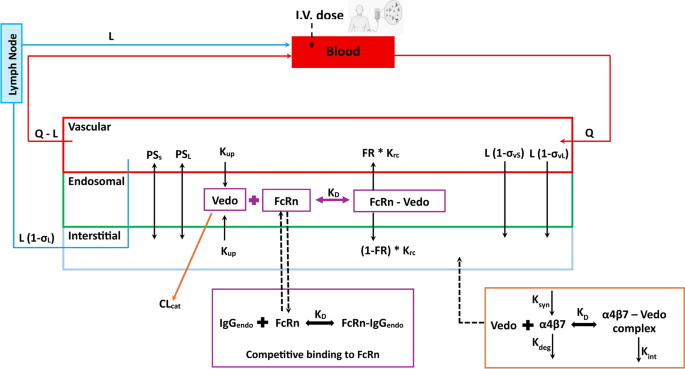
Physiologically Based Pharmacokinetic Modeling of Vedolizumab in Healthy Adults and Patients with Inflammatory Bowel Disease
Clinical Pharmacokinetics

Physiologically Based Pharmacokinetic Modeling of Vedolizumab in Healthy Adults and Patients with Inflammatory Bowel Disease

Vedolizumab blood levels can vary with disease activity; a model that links intestinal α4β7 expression to drug exposure helps explain why some patients have lower drug levels and may need different dosing. This could...

Read Summary
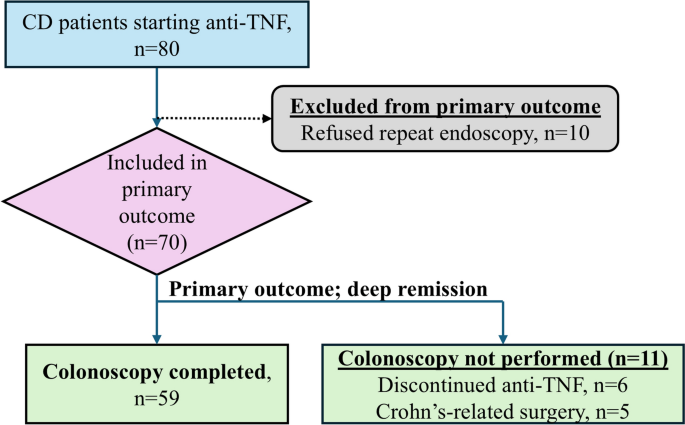
Pharmacometric Targets During Anti-TNF Induction and Their Association with Deep Remission in Pediatric Crohn’s Disease
Clinical Pharmacokinetics

Pharmacometric Targets During Anti-TNF Induction and Their Association with Deep Remission in Pediatric Crohn’s Disease

The study identifies specific induction exposure targets and biomarkers tied to higher chances of deep remission at 12 months in children on anti-TNF therapy, which could inform earlier dose optimization to improve...

Read Summary
Pharmacokinetic model selection for infliximab based on inflammatory bowel disease phenotype and severity: Toward model-informed precision dosing.
PloS one

Pharmacokinetic model selection for infliximab based on inflammatory bowel disease phenotype and severity: Toward model-informed precision dosing.

Infliximab dosing can be hard to personalize. This study shows that selecting pharmacokinetic models based on IBD type and severity can improve how well drug levels are predicted, which could help tailor dosing for...

Read Summary
Reactive Therapeutic Drug Monitoring Guides Optimal Management of Adalimumab Failure in Pediatric Crohn's Disease: A Real-World Single-Center Experience.
Pediatric gastroenterology, hepatology & nutrition

Reactive Therapeutic Drug Monitoring Guides Optimal Management of Adalimumab Failure in Pediatric Crohn's Disease: A Real-World Single-Center Experience.

Reactive TDM can help determine why a child with Crohn's disease is losing response to adalimumab and guide whether to escalate dose or switch biologics, which affects short-term management decisions.

Read Summary
Proactive therapeutic drug monitoring of infliximab leads to treatment durability in paediatric Crohn's disease: A single‐centre Australian experience
JPGN Reports

Proactive therapeutic drug monitoring of infliximab leads to treatment durability in paediatric Crohn's disease: A single‐centre Australian experience

Proactive TDM of infliximab was associated with high 1‑ and 2‑year durability in this pediatric Crohn's cohort, and the study flags clinical factors that may predict need to switch biologics. This could be relevant when...

Read Summary