All topics

Medications

Biologics, small molecules, steroids, biosimilars, approvals, and treatment access updates.

Page 8 of 26 · 1221 articles

Vedolizumab trough concentrations and clinical and endoscopic outcomes in inflammatory bowel disease: a systematic review and meta-analysis.
Clinical gastroenterology and hepatology : the official clinical practice journal of the American Gastroenterological Association

Vedolizumab trough concentrations and clinical and endoscopic outcomes in inflammatory bowel disease: a systematic review and meta-analysis.

Patients and clinicians using vedolizumab may be interested because the review links higher trough concentrations to better remission outcomes—most convincingly for endoscopic remission in UC—and provides descriptive...

Read Summary
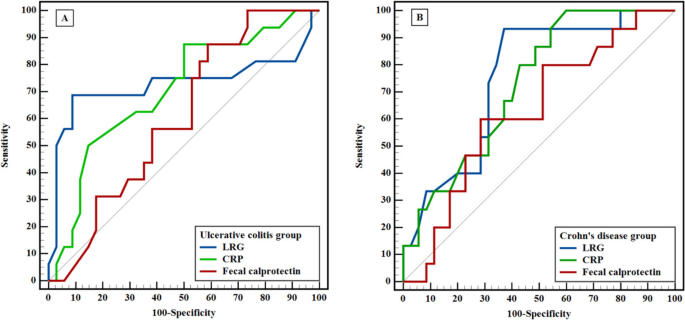
Leucine-rich alpha-2 glycoprotein as a predictor of primary non-response to anti-TNF-α therapy in biologic-naïve Egyptian IBD patients
BMC Gastroenterology

Leucine-rich alpha-2 glycoprotein as a predictor of primary non-response to anti-TNF-α therapy in biologic-naïve Egyptian IBD patients

A blood biomarker that helps predict primary non-response to anti‑TNF drugs could spare some patients ineffective therapy, reduce delays to alternative treatments, and inform shared decision‑making before starting...

Read Summary
Single-cell insights into drug response and resistance in inflammatory bowel disease: cellular hallmarks and precision therapy.
Journal of Crohn's & colitis

Single-cell insights into drug response and resistance in inflammatory bowel disease: cellular hallmarks and precision therapy.

Single-cell and spatial multi-omics help explain why many patients do not respond to current biologics and JAK inhibitors and point toward molecular and cellular biomarkers that could one day guide more precise treatment...

Read Summary
Assessing the effectiveness of biologics in biologic-naïve patients with isolated small bowel Crohn's disease by double-balloon endoscopy.
Expert opinion on biological therapy

Assessing the effectiveness of biologics in biologic-naïve patients with isolated small bowel Crohn's disease by double-balloon endoscopy.

The findings give clinicians and patients data on how often biologic therapy leads to endoscopic remission in biologic‑naïve patients with isolated small‑bowel Crohn's disease, and they suggest similar effectiveness...

Read Summary
Improved diagnostic capability, rather than biologics, reduces surgical rates in Chinese Crohn's disease patients: A multicenter study.
Chinese medical journal

Improved diagnostic capability, rather than biologics, reduces surgical rates in Chinese Crohn's disease patients: A multicenter study.

If you're living with Crohn's disease, earlier and better diagnosis (for example, more cross-sectional imaging) may partly explain falling surgery rates over time. This study suggests system-level diagnostic improvements...

Read Summary
Switching standard dosed intravenous to subcutaneous infliximab leads to similar drug exposure in inflammatory bowel disease patients independent of concomitant immunosuppressants (SHUFFLE study).
British journal of clinical pharmacology

Switching standard dosed intravenous to subcutaneous infliximab leads to similar drug exposure in inflammatory bowel disease patients independent of concomitant immunosuppressants (SHUFFLE study).

The findings suggest people with IBD on IV infliximab could switch to fixed-dose SC infliximab without losing drug exposure, and many may gain convenience and higher trough drug levels regardless of concomitant...

Read Summary
Comparative outcomes of advanced medical rescue therapies in steroid-refractory acute severe ulcerative colitis: a systematic review and network meta-analysis
Frontiers in Gastroenterology

Comparative outcomes of advanced medical rescue therapies in steroid-refractory acute severe ulcerative colitis: a systematic review and network meta-analysis

The analysis compares rescue drugs used when severe ulcerative colitis doesn't respond to IV steroids — a high-stakes situation where avoiding colectomy matters.

Read Summary
COMPARATIVE REAL-WORLD EFFECTIVENESS OF BIOLOGIC THERAPIES FOR PREVENTING POSTOPERATIVE ENDOSCOPIC RECURRENCE OF CROHN’S DISEASE
American Journal of Gastroenterology

COMPARATIVE REAL-WORLD EFFECTIVENESS OF BIOLOGIC THERAPIES FOR PREVENTING POSTOPERATIVE ENDOSCOPIC RECURRENCE OF CROHN’S DISEASE

Postoperative endoscopic recurrence is common after ileocolonic resection for Crohn’s disease; this study suggests biologic drugs started after surgery are linked to lower recurrence rates. Knowing which biologics...

Read Summary
Ex Vivo Comparison Of Combination Versus Single Therapeutic Pathway Inhibition In Human Intestinal Mucosa From Patients With Inflammatory Bowel Disease
ClinicalTrials.gov

Ex Vivo Comparison Of Combination Versus Single Therapeutic Pathway Inhibition In Human Intestinal Mucosa From Patients With Inflammatory Bowel Disease

Researchers are testing whether blocking three inflammation pathways at once can reduce tissue inflammation more than single drugs. If ex vivo results show stronger effects, it could guide development of multi-target...

Read Summary
A Direct Head-to-head Comparison of Ustekinumab With Infliximab for the Treatment of Ulcerative Colitis
ClinicalTrials.gov

A Direct Head-to-head Comparison of Ustekinumab With Infliximab for the Treatment of Ulcerative Colitis

Head-to-head comparisons between biologics are uncommon but useful for patients and clinicians deciding between agents. This study specifically compares ustekinumab and infliximab for remission, safety, and quality of...

Read Summary
The Impact of Perioperative Immunosuppression on Post-surgical Outcomes in Patients with Inflammatory Bowel Disease.
Digestive diseases and sciences

The Impact of Perioperative Immunosuppression on Post-surgical Outcomes in Patients with Inflammatory Bowel Disease.

This study addresses whether continuing advanced biologic therapies around abdominal surgery raises short-term postoperative risks—important for IBD patients and clinicians planning surgery.

Read Summary
PACSIN2 regulates mercaptopurine cytotoxicity and cellular biomechanics through Rac1 modulation in intestinal epithelial cells.
Frontiers in pharmacology

PACSIN2 regulates mercaptopurine cytotoxicity and cellular biomechanics through Rac1 modulation in intestinal epithelial cells.

The study connects a genetic regulator (PACSIN2) and Rac1 signaling to cellular responses to mercaptopurine, a drug used in IBD, offering a possible explanation for why some patients experience thiopurine-related gut...

Read Summary
Guselkumab as a Treatment Adjunct for Pyoderma Gangrenosum While Maintaining Clinical Remission of Ulcerative Colitis.
ACG case reports journal

Guselkumab as a Treatment Adjunct for Pyoderma Gangrenosum While Maintaining Clinical Remission of Ulcerative Colitis.

PG is a serious skin complication that can occur with UC. This report suggests guselkumab—an IL‑23 blocker used in IBD and dermatology—helped resolve PG in one patient without loss of UC remission, which could be...

Read Summary
Probiotic drug interactions in ulcerative colitis: a microbiota and metabolite perspective
Frontiers in Microbiology

Probiotic drug interactions in ulcerative colitis: a microbiota and metabolite perspective

People with UC often use probiotics or microbiome-directed therapies alongside prescription drugs. Understanding probiotic–drug interactions could explain why individuals respond differently to IBD treatments and may...

Read Summary
Essential Updates in the Surgical Management of Inflammatory Bowel Disease: Current Topics From 2024 to Mid‐2026
Annals of Gastroenterological Surgery

Essential Updates in the Surgical Management of Inflammatory Bowel Disease: Current Topics From 2024 to Mid‐2026

Surgery is still a core part of care for certain UC and Crohn's patients despite better medical therapies. Newer surgical techniques and coordinated medical–surgical approaches aim to reduce complications and recurrence...

Read Summary
Antibiotic-Refractory Chronic Pouchitis After Ileal Pouch-Anal Anastomosis: Current and Emerging Therapeutic Strategies.
Drugs

Antibiotic-Refractory Chronic Pouchitis After Ileal Pouch-Anal Anastomosis: Current and Emerging Therapeutic Strategies.

Chronic antibiotic-refractory pouchitis is a common, impactful complication after ileal pouch-anal anastomosis that can worsen quality of life and increase the risk of pouch failure. Patients and clinicians need clearer...

Read Summary
Declining rates of surgery in pediatric-onset inflammatory bowel disease: a Swedish nationwide register-based cohort study 2002-2022.
Journal of Crohn's & colitis

Declining rates of surgery in pediatric-onset inflammatory bowel disease: a Swedish nationwide register-based cohort study 2002-2022.

A decreasing need for IBD-related surgery after pediatric diagnosis could mean fewer major operations and related recovery for children and young adults. It may reflect the growing use of advanced medical therapies in...

Read Summary
Preventive administration of verapamil attenuates dextran sulfate sodium-induced colitis in mice.
Experimental and therapeutic medicine

Preventive administration of verapamil attenuates dextran sulfate sodium-induced colitis in mice.

A common heart drug, verapamil, reduced disease signs in a mouse model of colitis and altered inflammation and the gut microbiota — suggesting a possible avenue for future IBD research. These are preclinical results, so...

Read Summary
Trichostatin A ameliorates ulcerative colitis via the SERPINB5-mediated MMP9/RLN2 signaling pathway.
Pathology, research and practice

Trichostatin A ameliorates ulcerative colitis via the SERPINB5-mediated MMP9/RLN2 signaling pathway.

The paper identifies a molecular pathway (SERPINB5–MMP9–RLN2) by which the HDAC inhibitor trichostatin A reduced inflammation and protected the intestinal barrier in mouse and cell models of ulcerative colitis,...

Read Summary
Comparative pharmacodynamic material basis of oral and colonic administration of Baitouweng decoction in experimental ulcerative colitis.
Journal of ethnopharmacology

Comparative pharmacodynamic material basis of oral and colonic administration of Baitouweng decoction in experimental ulcerative colitis.

The paper suggests that the same herbal formula can produce different absorbed components and target interactions depending on oral versus colonic delivery, which could influence therapeutic effects in ulcerative colitis...

Read Summary
Differences in hepatic metabolism of Liandan Xiaoyan Formula between control and ulcerative colitis mice associated with FXR/PXR-CYP450 changes.
Journal of pharmaceutical and biomedical analysis

Differences in hepatic metabolism of Liandan Xiaoyan Formula between control and ulcerative colitis mice associated with FXR/PXR-CYP450 changes.

Disease-related changes in liver drug-metabolizing enzymes may alter how herbal formulas or medications are processed in people with UC, potentially affecting efficacy or safety. Understanding the mechanisms helps inform...

Read Summary
Design, synthesis, and evaluation of indole-pyridine chalcone derivatives as novel HK2 inhibitors to modulate macrophage glycolysis and inflammation for IBD treatment.
European journal of medicinal chemistry

Design, synthesis, and evaluation of indole-pyridine chalcone derivatives as novel HK2 inhibitors to modulate macrophage glycolysis and inflammation for IBD treatment.

The study identifies HK2 inhibition as a potential mechanism to shift pro-inflammatory macrophages and reduce intestinal inflammation in preclinical models, which could guide future drug development for IBD.

Read Summary
Immune–microbe interactions in pediatric ulcerative colitis: clinical features, pathogenesis, and novel targeted therapeutic strategies
Frontiers in Immunology

Immune–microbe interactions in pediatric ulcerative colitis: clinical features, pathogenesis, and novel targeted therapeutic strategies

PUC often behaves differently and more aggressively than adult-onset UC; understanding pediatric‑specific causes and treatments could lead to better, more effective therapies for children.

Read Summary
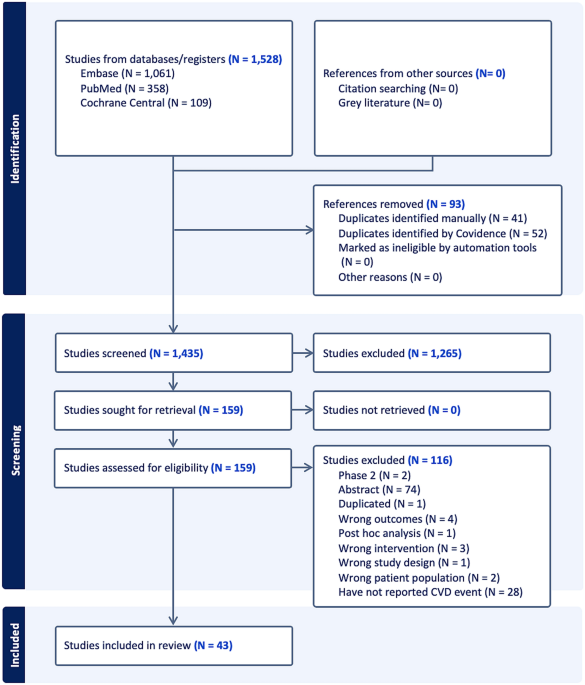
Major cardiovascular event risk of advanced therapies in inflammatory bowel diseases: systematic review and meta-analysis
Inflammation Research

Major cardiovascular event risk of advanced therapies in inflammatory bowel diseases: systematic review and meta-analysis

A pooled analysis of cardiovascular risk tied to advanced IBD therapies could affect treatment decisions and monitoring plans because some immune-targeted drugs have been linked to cardiovascular safety concerns in other...

Read Summary
Connecting the Dots Between Pharmacokinetics, Inflammatory Biomarkers, and Mucosal Healing in Patients on Infliximab with Inflammatory Bowel Disease
Pharmaceutics

Connecting the Dots Between Pharmacokinetics, Inflammatory Biomarkers, and Mucosal Healing in Patients on Infliximab with Inflammatory Bowel Disease

If true, using infliximab drug-level modeling plus routine blood tests could help predict who has mucosal healing without immediate endoscopy, potentially reducing invasive procedures and improving monitoring for people...

Read Summary
Aspects of inflammatory bowel disease during the COVID-19 pandemic and general considerations☆ Aspectos y consideraciones generales en la enfermedad inflamatoria intestinal durante la pandemia por COVID-19
Revista de gastroenterologia de Mexico (English)

Aspects of inflammatory bowel disease during the COVID-19 pandemic and general considerations☆ Aspectos y consideraciones generales en la enfermedad inflamatoria intestinal durante la pandemia por COVID-19

People with IBD and their clinicians need to know whether common IBD treatments change COVID-19 risk or should be stopped. This review provides practical recommendations (continue most maintenance drugs; avoid systemic...

Read Summary
Gradient Boosting Machine-Based Prognostic Model with SurvSHAP Analysis for Predicting Secondary Loss of Response to Infliximab Therapy in Crohn's Disease.
Drug design, development and therapy

Gradient Boosting Machine-Based Prognostic Model with SurvSHAP Analysis for Predicting Secondary Loss of Response to Infliximab Therapy in Crohn's Disease.

The work identifies factors that predict loss of response to infliximab and suggests maintenance drug levels are the strongest predictor, which could influence monitoring strategies for people with Crohn's disease on...

Read Summary
Acceptability and tolerability of risankizumab maintenance therapy administered via on-body injector in patients with Crohn's disease: Results of the ACCEPT-OBI study.
Therapeutic advances in gastroenterology

Acceptability and tolerability of risankizumab maintenance therapy administered via on-body injector in patients with Crohn's disease: Results of the ACCEPT-OBI study.

Delivery method affects daily life and adherence. If you use or may use risankizumab, the on-body injector in this study was highly acceptable to most patients and caused mostly mild, local skin reactions, which may make...

Read Summary
Anti-TNF therapy attenuates the diagnostic utility of leucine-rich α2-Glycoprotein 1 for endoscopic activity in ulcerative colitis.
Therapeutic advances in gastroenterology

Anti-TNF therapy attenuates the diagnostic utility of leucine-rich α2-Glycoprotein 1 for endoscopic activity in ulcerative colitis.

Serum LRG1 is a candidate blood biomarker for mucosal inflammation in UC, but anti-TNF drugs may suppress its levels and cause false-negative results. This affects noninvasive monitoring and decisions based on LRG1...

Read Summary
Isolated perianal fistulizing Crohn's disease in contemporary clinical practice: a multicenter ECCO-CONFER cohort study.
Journal of Crohn's & colitis

Isolated perianal fistulizing Crohn's disease in contemporary clinical practice: a multicenter ECCO-CONFER cohort study.

If you have isolated perianal fistulizing Crohn’s disease, this large multicenter cohort shows about one-third later developed luminal Crohn’s disease over long-term follow-up, but many did not — underscoring variable...

Read Summary
Bridging preclinical and clinical efficacy of SIK2/SIK3 inhibition in inflammatory bowel disease through integrated murine, patient-derived models, and phase 2a trial-based analyses.
Journal of Crohn's & colitis

Bridging preclinical and clinical efficacy of SIK2/SIK3 inhibition in inflammatory bowel disease through integrated murine, patient-derived models, and phase 2a trial-based analyses.

This paper links preclinical models and a short Phase 2a trial to show a candidate SIK2/SIK3 inhibitor (GLPG3970) produced anti-inflammatory and mucus-restoring signatures in IBD tissues. If findings hold in larger...

Read Summary