Evidence types

Basic Science

Basic science articles covering early-stage IBD research, disease mechanisms, lab findings, microbiome work, genetics, and experimental models.

Page 6 of 15 · 709 articles

Trichostatin A ameliorates ulcerative colitis via the SERPINB5-mediated MMP9/RLN2 signaling pathway.
Pathology, research and practice

Trichostatin A ameliorates ulcerative colitis via the SERPINB5-mediated MMP9/RLN2 signaling pathway.

The paper identifies a molecular pathway (SERPINB5–MMP9–RLN2) by which the HDAC inhibitor trichostatin A reduced inflammation and protected the intestinal barrier in mouse and cell models of ulcerative colitis,...
Read Summary
Resveratrol suppresses ulcerative colitis and colitis-associated colorectal cancer via modulating the miR-31-5p/SATB2 axis
World Journal of Gastrointestinal Oncology

Resveratrol suppresses ulcerative colitis and colitis-associated colorectal cancer via modulating the miR-31-5p/SATB2 axis

The paper identifies a molecular pathway (miR-31-5p/SATB2) linked to UC progression to colitis-associated cancer and reports that resveratrol modulates this axis in mice, suggesting a potential preventive mechanism worth...

Read Summary
Differences in hepatic metabolism of Liandan Xiaoyan Formula between control and ulcerative colitis mice associated with FXR/PXR-CYP450 changes.
Journal of pharmaceutical and biomedical analysis

Differences in hepatic metabolism of Liandan Xiaoyan Formula between control and ulcerative colitis mice associated with FXR/PXR-CYP450 changes.

Disease-related changes in liver drug-metabolizing enzymes may alter how herbal formulas or medications are processed in people with UC, potentially affecting efficacy or safety. Understanding the mechanisms helps inform...

Read Summary
Design, synthesis, and evaluation of indole-pyridine chalcone derivatives as novel HK2 inhibitors to modulate macrophage glycolysis and inflammation for IBD treatment.
European journal of medicinal chemistry

Design, synthesis, and evaluation of indole-pyridine chalcone derivatives as novel HK2 inhibitors to modulate macrophage glycolysis and inflammation for IBD treatment.

The study identifies HK2 inhibition as a potential mechanism to shift pro-inflammatory macrophages and reduce intestinal inflammation in preclinical models, which could guide future drug development for IBD.

Read Summary
In vivo and molecular docking studies of Micromeria imbricata var. imbricata extract reveal alleviation of the DSS-induced IBD phenotype via interaction with key inflammatory mediators.
Journal of ethnopharmacology

In vivo and molecular docking studies of Micromeria imbricata var. imbricata extract reveal alleviation of the DSS-induced IBD phenotype via interaction with key inflammatory mediators.

People with IBD may hear about botanical treatments; this study provides preclinical data that Micromeria imbricata extracts showed beneficial effects in a mouse colitis model and identified compounds that dock to...

Read Summary
Engineered microvesicle-mediated multimodal therapy resolves ulcerative colitis via synergistic immunoregulation, barrier restoration, and microbiota remodeling
Materials today. Bio

Engineered microvesicle-mediated multimodal therapy resolves ulcerative colitis via synergistic immunoregulation, barrier restoration, and microbiota remodeling

Based on the title and source metadata, this appears to be a basic science related to Ulcerative colitis, Inflammatory bowel disease, and Microbiome. The original article is from Materials today. Bio.

Read Summary
Kindlin-3 is a Regulator of Force-Regulated Activation of Integrin α4β7 by CCL25 During Lymphocyte Adhesion.
Cellular and molecular bioengineering

Kindlin-3 is a Regulator of Force-Regulated Activation of Integrin α4β7 by CCL25 During Lymphocyte Adhesion.

The study reveals a new mechano-chemical mechanism regulating gut-homing integrin α4β7, which may help explain how lymphocytes home to inflamed intestines in IBD and points to a possible target for anti-adhesion...

Read Summary
Identification of COPZ1 as a Shared Candidate Ferroptosis-Related Hub Gene in Periodontitis and Inflammatory Bowel Disease.
Human mutation

Identification of COPZ1 as a Shared Candidate Ferroptosis-Related Hub Gene in Periodontitis and Inflammatory Bowel Disease.

Researchers identified COPZ1 as a shared ferroptosis-related hub gene in Crohn’s disease, ulcerative colitis, and periodontitis, which could point to a new molecular pathway linking gut and oral inflammation and a...

Read Summary
6PPDQ exposure enhances susceptibility to ulcerative colitis by disturbing MMP9, PTGS2, and PPARG homeostasis: an integrative network toxicology and in vivo study.
Chemico-biological interactions

6PPDQ exposure enhances susceptibility to ulcerative colitis by disturbing MMP9, PTGS2, and PPARG homeostasis: an integrative network toxicology and in vivo study.

The work highlights a widespread tire-derived contaminant (6PPDQ) that may worsen colitis in a mouse model by disturbing key molecular pathways; this raises questions about whether environmental pollutants could...

Read Summary
Epicatechin alleviates ulcerative colitis by restoring intestinal mucosa via regulating the NCR+ILC3 cell counts.
Phytomedicine : international journal of phytotherapy and phytopharmacology

Epicatechin alleviates ulcerative colitis by restoring intestinal mucosa via regulating the NCR+ILC3 cell counts.

The study links a common dietary flavonoid, epicatechin, to restoration of a protective ILC3 subset and mucosal repair in mouse colitis via a defined molecular pathway. This could point to new therapeutic targets for...

Read Summary
Nucleotide-binding oligomerization domain 2-independent colonization by Turicimonas muris induced by high-fat diet protects against dextran sodium sulfate-induced colitis
Clinical and Experimental Immunology

Nucleotide-binding oligomerization domain 2-independent colonization by Turicimonas muris induced by high-fat diet protects against dextran sodium sulfate-induced colitis

This study identifies a specific gut microbe (Turicimonas muris) and an immune pathway link by which a high-fat diet reduced experimental colitis severity in mice, suggesting diet–microbiome interactions can strongly...

Read Summary
Spectrum-effect relationship between chromatography fingerprints and bioactive components of Atractylodes macrocephala on alleviating ulcerative colitis.
Journal of ethnopharmacology

Spectrum-effect relationship between chromatography fingerprints and bioactive components of Atractylodes macrocephala on alleviating ulcerative colitis.

The study identifies specific small molecules and polysaccharide features in Atractylodes macrocephala that correlated with reduced inflammation in a mouse model of ulcerative colitis, which could guide future...

Read Summary
Adhesion-Enhanced Engineered Probiotic for Prolonged Intestinal Retention and Calprotectin-Responsive IBD Therapy.
Advanced science (Weinheim, Baden-Wurttemberg, Germany)

Adhesion-Enhanced Engineered Probiotic for Prolonged Intestinal Retention and Calprotectin-Responsive IBD Therapy.

This study describes a programmable, inflammation-responsive engineered probiotic aimed at targeting IBD flares by sensing calprotectin and delivering antioxidant and epithelial-protective factors — a concept that could...

Read Summary
Orally administered 5-ASA-loaded full-active nanodrug for targeted therapy of inflammatory bowel disease
Materials Today Advances

Orally administered 5-ASA-loaded full-active nanodrug for targeted therapy of inflammatory bowel disease

The paper describes a new nanodelivery method that improves targeted delivery of 5‑ASA in preclinical models, which could eventually address limitations of oral mesalazine formulations for colonic inflammation.

Read Summary
Exploring the link between rural aerobiomes and the geographic variability seen in inflammatory bowel disease: mechanistic insights from a novel animal model
International Journal of Colorectal Disease

Exploring the link between rural aerobiomes and the geographic variability seen in inflammatory bowel disease: mechanistic insights from a novel animal model

This study suggests airborne, soil-associated microbes can change the gut microbiome and reduce colitis severity in mice — a possible explanation for lower ulcerative colitis rates in rural areas. If similar effects...

Read Summary
Lacticaseibacillus rhamnosus -Derived Extracellular Vesicles Alleviate Colitis via PPAR Signaling and the Gut Microbiota–Metabolite Axis
Journal of Agricultural and Food Chemistry

Lacticaseibacillus rhamnosus -Derived Extracellular Vesicles Alleviate Colitis via PPAR Signaling and the Gut Microbiota–Metabolite Axis

This preclinical study suggests probiotic-derived extracellular vesicles may reduce intestinal inflammation and restore barrier function via PPARγ signaling and changes to the gut microbiome—an early step toward...

Read Summary
Dioscin activates myeloid AMPK to restore Lgr5⁺ stem cell homeostasis and promote mucosal repair in ulcerative colitis.
Pharmacological research

Dioscin activates myeloid AMPK to restore Lgr5⁺ stem cell homeostasis and promote mucosal repair in ulcerative colitis.

This study suggests a new preclinical approach to help the gut lining heal in ulcerative colitis by targeting macrophage metabolism (myeloid AMPK) rather than directly treating epithelial cells. That could matter for...

Read Summary
Enhancing intracellular ROS scavenging by chondroitin sulfate-modified ceria nanozymes for the treatment of inflammatory bowel disease and enteropathic arthritis.
International journal of biological macromolecules

Enhancing intracellular ROS scavenging by chondroitin sulfate-modified ceria nanozymes for the treatment of inflammatory bowel disease and enteropathic arthritis.

This paper describes a novel nanozyme that reduced oxidative stress and inflammation in preclinical models of colitis and enteropathic arthritis — a possible future therapeutic approach that targets ROS in inflamed gut...

Read Summary
The Inflamed Intestinal Barrier as a Formulation Variable in Oral Nanocarrier Design: Evidence-Informed Principles for Mucus Interaction, Epithelial Access, and Translational Testing
Pharmaceutics

The Inflamed Intestinal Barrier as a Formulation Variable in Oral Nanocarrier Design: Evidence-Informed Principles for Mucus Interaction, Epithelial Access, and Translational Testing

The intestinal barrier changes in inflammation and can alter how oral nanocarriers interact with mucus and epithelium; understanding this is important for designing delivery systems that achieve local therapeutic benefit...

Read Summary
Investigating the Role of Sodium Butyrate in Mouse Models of IBD: A Multimodal Structural and Functional MRI Study.
Neural plasticity

Investigating the Role of Sodium Butyrate in Mouse Models of IBD: A Multimodal Structural and Functional MRI Study.

This study shows that sodium butyrate, a metabolite produced by gut bacteria, changed brain imaging measures and reduced inflammation in mice with experimental IBD, supporting the idea that gut-derived compounds can...

Read Summary
Probiotic-Derived Extracellular Vesicles as Potential Nano-Immunotherapeutic Platforms in IBD: A Clinician's Perspective.
International journal of nanomedicine

Probiotic-Derived Extracellular Vesicles as Potential Nano-Immunotherapeutic Platforms in IBD: A Clinician's Perspective.

This review highlights a new, non-live microbiome-based therapy approach (probiotic-derived EVs) that could in future modulate gut immunity and barrier function without using live microbes. For people with IBD, such...

Read Summary
Glutaredoxin 1 facilitates colitis recovery by controlling glutathionylation and activity of STAT6 in M2 macrophages
Cell Communication and Signaling

Glutaredoxin 1 facilitates colitis recovery by controlling glutathionylation and activity of STAT6 in M2 macrophages

The study proposes a new redox-regulatory pathway (Grx1–STAT6) that helps M2 macrophages drive tissue repair and colitis recovery in preclinical models, pointing to a possible new therapeutic target to promote...

Read Summary
Mechanism-guided Mn 3 O 4 /GDY nanoplatform intercepts neutrophil- driven oxidative amplification to treat inflammatory bowel disease
Europe PMC

Mechanism-guided Mn 3 O 4 /GDY nanoplatform intercepts neutrophil- driven oxidative amplification to treat inflammatory bowel disease

The study proposes a new oral nanoparticle that targets neutrophil-driven oxidative stress linked to mucosal barrier damage, a mechanism relevant to IBD pathology. If translatable, this approach could add a new modality...

Read Summary
Colon-targeted oral delivery of melatonin for regulating macrophage activity and intestinal barrier in ulcerative colitis.
Theranostics

Colon-targeted oral delivery of melatonin for regulating macrophage activity and intestinal barrier in ulcerative colitis.

Targeted oral delivery of melatonin could reduce inflammation and help repair the intestinal barrier in UC by acting on macrophages and epithelial cells. If translated to humans, this approach might offer a locally...

Read Summary
UCMamba: Visual State Space Model for Ulcerative Colitis Severity Scoring with Spiral Scan and Sequential Contrastive Learning.
IEEE journal of biomedical and health informatics

UCMamba: Visual State Space Model for Ulcerative Colitis Severity Scoring with Spiral Scan and Sequential Contrastive Learning.

Better automated scoring tools for endoscopic images could reduce variability between human reviewers and help standardize assessments of ulcerative colitis severity used for treatment decisions and monitoring.

Read Summary
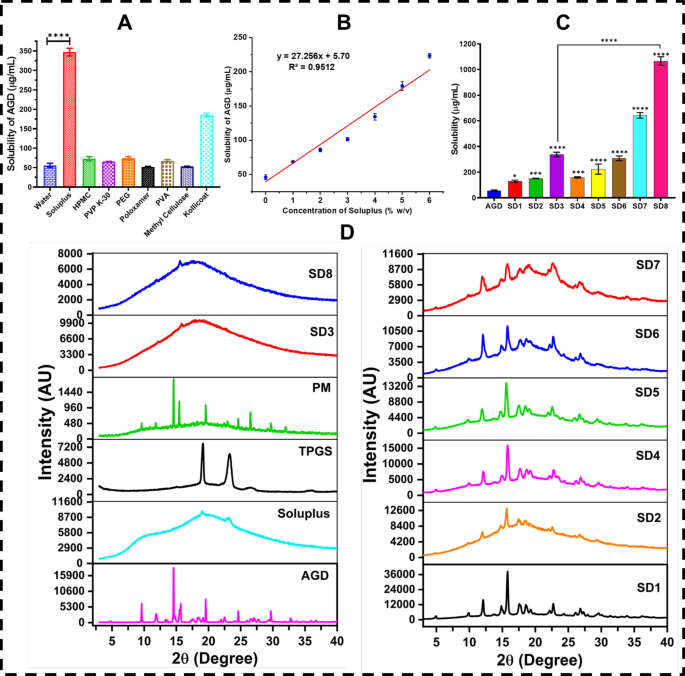
Next-Generation Solid Dispersion of Andrographolide Attenuated Inflammation and Oxidative Stress in an Activated RAW264.7 Macrophage-Based In Vitro Model Relevant to Ulcerative Colitis
AAPS PharmSciTech

Next-Generation Solid Dispersion of Andrographolide Attenuated Inflammation and Oxidative Stress in an Activated RAW264.7 Macrophage-Based In Vitro Model Relevant to Ulcerative Colitis

The study reports anti-inflammatory and antioxidant effects of a new andrographolide formulation in a macrophage model relevant to ulcerative colitis, highlighting a potential early-stage therapeutic lead that may...

Read Summary
Macrophage pyroptosis in inflammatory bowel disease: mechanistic insights, pathological roles and treatment strategies
Frontiers in Immunology

Macrophage pyroptosis in inflammatory bowel disease: mechanistic insights, pathological roles and treatment strategies

Macrophage pyroptosis is increasingly implicated in driving intestinal inflammation and barrier damage in IBD, so understanding it could point to new treatment targets. Patients and clinicians may find this research...

Read Summary
Conserved Epithelial Remodeling Programs Underlie Pediatric Juvenile Colorectal Polyps Associated with Allergic Sensitization
International Journal of Molecular Sciences

Conserved Epithelial Remodeling Programs Underlie Pediatric Juvenile Colorectal Polyps Associated with Allergic Sensitization

Juvenile colorectal polyps in children show strong type 2 inflammatory and epithelial-remodeling programs that could explain links with allergic sensitization and suggest biomarkers and pathways relevant to mucosal...

Read Summary
β-Glucan alleviates colitis by remodeling the colonic microenvironment and promoting interleukin-33-driven active eosinophil differentiation.
Molecular immunology

β-Glucan alleviates colitis by remodeling the colonic microenvironment and promoting interleukin-33-driven active eosinophil differentiation.

The study identifies a β-glucan → IL-33 → active eosinophil pathway that reduced colitis in a mouse model, suggesting a novel immunomodulatory mechanism that could inform future IBD research.

Read Summary
An interpretable weighted graph convolutional network (W-GCN) framework for noninvasive assessment of ulcerative colitis severity
Biomedical Signal Processing and Control

An interpretable weighted graph convolutional network (W-GCN) framework for noninvasive assessment of ulcerative colitis severity

Based on the title and source metadata, this appears to be a basic science related to Ulcerative colitis, Inflammatory bowel disease, and Research and clinical trials. The original article is from Biomedical Signal...

Read Summary
Engineering IL-10-Overexpressing MSCs via a Non-Viral PEG-PEI Nanoplatform for Potent Therapy of Inflammatory Bowel Disease.
ACS applied bio materials

Engineering IL-10-Overexpressing MSCs via a Non-Viral PEG-PEI Nanoplatform for Potent Therapy of Inflammatory Bowel Disease.

Researchers are exploring ways to improve cell therapies for IBD by making therapeutic cells produce anti-inflammatory molecules like IL-10. If scalable and safe, non-viral engineering of MSCs could lead to...

Read Summary
Piezo mechanosensitive channels: A biological hub for intestinal barrier homeostasis and an emerging target for disease intervention
World Journal of Gastroenterology

Piezo mechanosensitive channels: A biological hub for intestinal barrier homeostasis and an emerging target for disease intervention

Piezo channels appear central to how mechanical signals influence the gut barrier, immunity, and secretion — processes that can affect inflammation and symptoms in IBD, IBS, and colon cancer. Understanding them could...

Read Summary
Astragaloside IV ameliorates DSS-induced intestinal epithelial barrier dysfunction associated with modulation of tight junction proteins and MLCK/p-MLC and MyD88/TRAF6 signaling pathways.
Frontiers in pharmacology

Astragaloside IV ameliorates DSS-induced intestinal epithelial barrier dysfunction associated with modulation of tight junction proteins and MLCK/p-MLC and MyD88/TRAF6 signaling pathways.

Barrier dysfunction is central to IBD pathogenesis; a compound that restores tight junctions and reduces permeability in preclinical models could eventually lead to new therapies that protect the gut lining and reduce...

Read Summary
Community: Component based differential cell communication analysis in large multi-sample case-control scRNAseq datasets.
iScience

Community: Component based differential cell communication analysis in large multi-sample case-control scRNAseq datasets.

A new single-cell analysis tool may help researchers and clinicians studying IBD (here shown for ulcerative colitis) to detect and interpret changes in cell–cell signaling that accompany disease or treatment response.

Read Summary
Peroxynitrite-activated near-infrared fluorescence sensing platform for early non-invasive IBD diagnosis, herbal formula efficacy evaluation and anti-enteritis bioactive components screening.
Talanta

Peroxynitrite-activated near-infrared fluorescence sensing platform for early non-invasive IBD diagnosis, herbal formula efficacy evaluation and anti-enteritis bioactive components screening.

This study reports a non-invasive fluorescence probe that detects a reactive nitrogen species (peroxynitrite) linked to intestinal inflammation and shows signal changes in cells, animal models, and mouse feces — a...

Read Summary
Cyanidin-3-O-glucoside ameliorates DSS-induced colitis in mice by modulating the PI3K-Akt pathway and preserving intestinal barrier function.
Food & function

Cyanidin-3-O-glucoside ameliorates DSS-induced colitis in mice by modulating the PI3K-Akt pathway and preserving intestinal barrier function.

A naturally occurring pigment (C3G) improved inflammation and barrier markers in a mouse colitis model, which could be of interest to people exploring nutrition-related ways to support gut health.

Read Summary
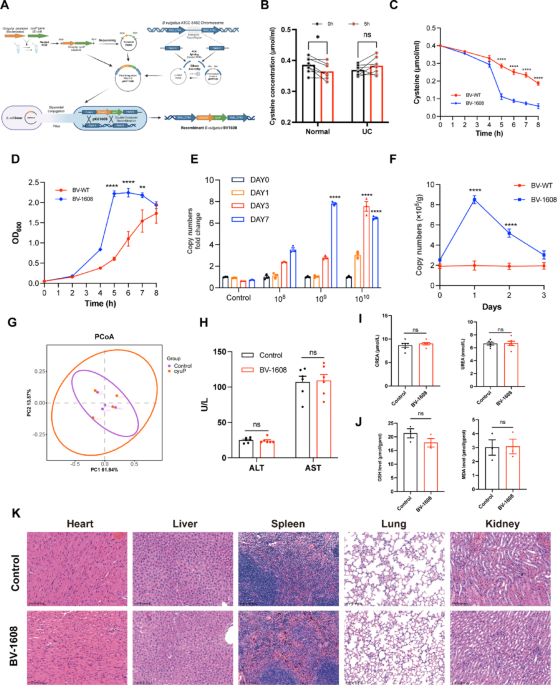
Depleting luminal cysteine with engineered bacteroides vulgatus alleviates experimental colitis by suppressing Th17 differentiation through an ATF6-dependent mechanism
Inflammation Research

Depleting luminal cysteine with engineered bacteroides vulgatus alleviates experimental colitis by suppressing Th17 differentiation through an ATF6-dependent mechanism

This study describes a new microbiome-engineering approach that reduced inflammation in mouse colitis models by sequestering cysteine and altering T cell behavior. If followed up, it could point to novel future therapies...

Read Summary
Low-dose PFNA exposure exacerbates intestinal inflammation via caspase-11-dependent noncanonical NLRP3 inflammasome activation in macrophages.
Journal of advanced research

Low-dose PFNA exposure exacerbates intestinal inflammation via caspase-11-dependent noncanonical NLRP3 inflammasome activation in macrophages.

PFAS exposure is widespread; if PFNA worsens intestinal inflammation through a defined immune pathway, it could help explain environmental contributions to IBD flares and point to new research targets for mitigation.

Read Summary
O Cyanidin-3--glucoside ameliorates DSS-induced colitis in mice by modulating the PI3K-Akt pathway and preserving intestinal barrier function.
Food & function

O Cyanidin-3--glucoside ameliorates DSS-induced colitis in mice by modulating the PI3K-Akt pathway and preserving intestinal barrier function.

This study provides preclinical evidence that an anthocyanin (cyanidin-3-O-glucoside) can reduce inflammation and preserve the intestinal barrier in a mouse colitis model, highlighting a possible dietary mechanism...

Read Summary
The plasticity and metabolic reprogramming of macrophage in ulcerative colitis
Frontiers in Immunology

The plasticity and metabolic reprogramming of macrophage in ulcerative colitis

Macrophage behavior and metabolic reprogramming help drive inflammation or repair in ulcerative colitis, so understanding these processes could point to new therapies. The review links lab methods and ongoing clinical...

Read Summary