
All topics

Research and clinical trials

Clinical trials, biomarkers, microbiome, genetics, AI, basic science, and emerging IBD research.

Page 3 of 65 · 3077 articles

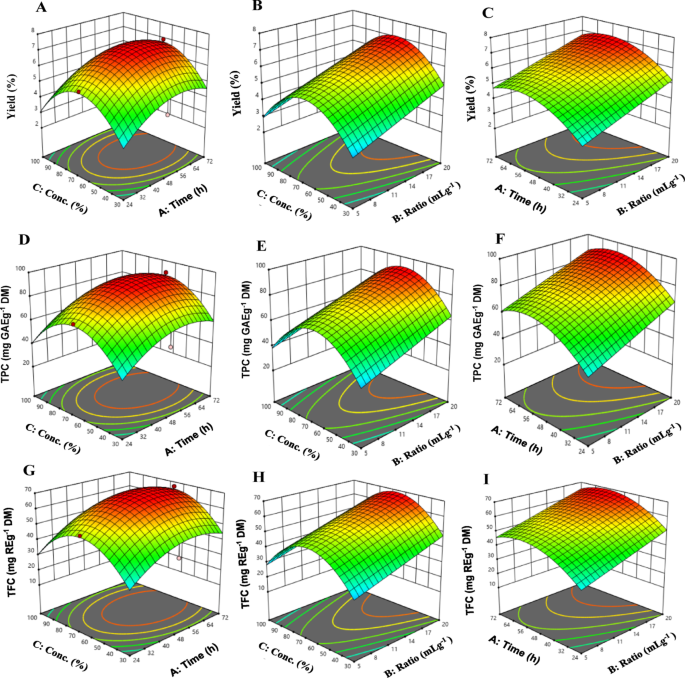
Response surface-optimized Cycas revoluta leaf extract attenuates experimental ulcerative colitis through anti-inflammatory and oxidative stress-related mechanisms
Inflammopharmacology

Response surface-optimized Cycas revoluta leaf extract attenuates experimental ulcerative colitis through anti-inflammatory and oxidative stress-related mechanisms

This study reports that an optimized Cycas revoluta leaf extract reduced colon inflammation and markers of oxidative stress in a rat model of ulcerative colitis, suggesting it could be a source of bioactive compounds...


Read Summary
A Comprehensive Ayurvedic Appraisement of Ulcerative Colitis: Pathophysiological Correlations and Management Strategies Via Purishavaha Sroto Dushti and Grahani Roga
International Journal of Innovative Science and Research Technology

A Comprehensive Ayurvedic Appraisement of Ulcerative Colitis: Pathophysiological Correlations and Management Strategies Via Purishavaha Sroto Dushti and Grahani Roga

The article offers an Ayurvedic framework for understanding and managing ulcerative colitis that may interest patients seeking complementary approaches and clinicians exploring integrative care. It emphasizes dietary and...

Read Summary
HIF-1α-Driven Protein Lactylation Promotes Ferroptosis and Lipid Peroxidation in Ulcerative Colitis and Is Suppressed by Quercetin.
Experimental cell research

HIF-1α-Driven Protein Lactylation Promotes Ferroptosis and Lipid Peroxidation in Ulcerative Colitis and Is Suppressed by Quercetin.

The paper identifies a metabolic pathway (HIF-1α–driven lactylation leading to ferroptosis) that may contribute to epithelial injury in ulcerative colitis and proposes quercetin as a candidate inhibitor—potentially...

Read Summary
KCTD10 Modulates DSS-induced Ulcerative Colitis via Regulating Intestinal Stem Cell Function.
The American journal of pathology

KCTD10 Modulates DSS-induced Ulcerative Colitis via Regulating Intestinal Stem Cell Function.

This study identifies KCTD10 as a regulator of intestinal stem cell function and mucosal repair in experimental colitis, which could point to new mechanistic insights about why epithelial healing fails in some cases of...

Read Summary
Beyond the pelvis: redefining endometriosis as a systemic inflammatory disorder. A systematic review and meta-analysis.
Autoimmunity reviews

Beyond the pelvis: redefining endometriosis as a systemic inflammatory disorder. A systematic review and meta-analysis.

If endometriosis is linked to other immune, allergic, or chronic pain conditions, people with endometriosis may benefit from broader evaluation and coordinated care beyond gynecology. The review suggests shared...

Read Summary
Perianal fistulizing Crohn's disease: emerging biology, therapeutics, and roadmap for precision treatment.
Trends in pharmacological sciences

Perianal fistulizing Crohn's disease: emerging biology, therapeutics, and roadmap for precision treatment.

Perianal fistulizing Crohn's disease is a frequent, hard-to-treat complication; molecular and multiomic advances could lead to biomarkers that help choose better-targeted therapies and improve surgical–medical decision...

Read Summary
Safety and tolerability of anti-toll-like receptor 3, monoclonal antibody PRV-300 in patients with moderate-to-severe ulcerative colitis: a randomized phase 1B clinical trial (PULSE).
Journal of Crohn's & colitis

Safety and tolerability of anti-toll-like receptor 3, monoclonal antibody PRV-300 in patients with moderate-to-severe ulcerative colitis: a randomized phase 1B clinical trial (PULSE).

This trial tested a new monoclonal antibody directed at TLR3 in moderate-to-severe ulcerative colitis to see if it is safe and biologically active.

Read Summary
Sulforaphane Attenuates Ulcerative Colitis by Activating Nrf2 and Suppressing the NLRP3/IL-1β Inflammasome Axis.
Current molecular medicine

Sulforaphane Attenuates Ulcerative Colitis by Activating Nrf2 and Suppressing the NLRP3/IL-1β Inflammasome Axis.

The study identifies a redox–inflammasome pathway (Nrf2 linked to NLRP3/IL‑1β) relevant to UC and shows that sulforaphane can modulate this axis in intestinal epithelial cells, highlighting a potential therapeutic target...

Read Summary
Integrated 16S rRNA Bioinformatics Analysis of Gut Microbiota, Predicted Pathways, and Candidate Biomarkers in Inflammatory Bowel Disease
Europe PMC

Integrated 16S rRNA Bioinformatics Analysis of Gut Microbiota, Predicted Pathways, and Candidate Biomarkers in Inflammatory Bowel Disease

The gut microbiome and its metabolic pathways are areas of active research in IBD; this study suggests specific genera and predicted functions that could become candidate biomarkers or targets for follow-up studies.

Read Summary
Bispecific antibodies targeting TL1A and IL-12/23p40 suppress pathogenic Th1/Th17 responses and ameliorate colitis in mice.
iScience

Bispecific antibodies targeting TL1A and IL-12/23p40 suppress pathogenic Th1/Th17 responses and ameliorate colitis in mice.

Researchers engineered bispecific antibodies that block two inflammatory pathways (TL1A and IL-12/23p40) simultaneously, a strategy that could overcome limits of single-target therapies in IBD. The work is preclinical...

Read Summary
Noninvasive evaluation of liver fibrosis in newly diagnosed pediatric Crohn's disease: Elastography and fibrotic biomarkers at diagnosis.
Advances in clinical and experimental medicine : official organ Wroclaw Medical University

Noninvasive evaluation of liver fibrosis in newly diagnosed pediatric Crohn's disease: Elastography and fibrotic biomarkers at diagnosis.

Parents and clinicians often worry about liver disease when children are diagnosed with Crohn's. This study suggests advanced liver fibrosis is uncommon at diagnosis, but elastography and fibrotic biomarkers can be...

Read Summary
Targeting pyroptosis in intestinal and systemic inflammatory diseases: mechanisms and therapeutic opportunities.
Molecular biology reports

Targeting pyroptosis in intestinal and systemic inflammatory diseases: mechanisms and therapeutic opportunities.

Pyroptosis is a key inflammatory pathway that may drive or modulate IBD activity. Understanding and targeting it could lead to new treatments, but past trial setbacks mean patients should know translation is still...

Read Summary
Lactobacillus brevis cell-free supernatant attenuates inflammation-associated gene expression and differentially modulates host defense-associated genes in DSS-stimulated HT-29 cells.
Molecular biology reports

Lactobacillus brevis cell-free supernatant attenuates inflammation-associated gene expression and differentially modulates host defense-associated genes in DSS-stimulated HT-29 cells.

The study identifies how secreted products from Lactobacillus brevis can selectively lower inflammatory gene expression in an intestinal epithelial cell model, pointing to microbiome-derived mechanisms that might become...

Read Summary
Crosstalk through cholinergic and aryl hydrocarbon receptor pathways in the anti-inflammatory actions of microbial metabolites.
Naunyn-Schmiedeberg's archives of pharmacology

Crosstalk through cholinergic and aryl hydrocarbon receptor pathways in the anti-inflammatory actions of microbial metabolites.

The study links microbiome metabolites to reduced epithelial inflammation and improved barrier function via AhR and cholinergic pathways—mechanisms relevant to IBD. This could guide future preclinical and therapeutic...

Read Summary
Vimentin neutralizing antibody ameliorate inflammatory bowel disease by inhibiting fibrosis and inflammatory cell death.
PloS one

Vimentin neutralizing antibody ameliorate inflammatory bowel disease by inhibiting fibrosis and inflammatory cell death.

This work suggests a new experimental target (extracellular vimentin) that reduced inflammation, fibrosis-related markers, and necroptotic cell-death markers in mice and in cultured colon cells — processes that are...

Read Summary
Design and Synthesis of Novel, Non-ATP-Competitive MKK3 Modulators as Suppressors of TNF-α Production for the Treatment of Ulcerative Colitis
Journal of Medicinal Chemistry

Design and Synthesis of Novel, Non-ATP-Competitive MKK3 Modulators as Suppressors of TNF-α Production for the Treatment of Ulcerative Colitis

People with ulcerative colitis may eventually have an oral small-molecule option that targets the TNF-α pathway instead of injectable biologics. Early-stage preclinical work suggests a new mechanism (allosteric MKK3...

Read Summary
Stromal enrichment and ulcerative colitis-associated loss of quinoid dihydropteridine reductase (QDPR) in the inflamed colon: a compartment-resolved immunohistochemical study in inflammatory bowel disease
Springer Science and Business Media LLC

Stromal enrichment and ulcerative colitis-associated loss of quinoid dihydropteridine reductase (QDPR) in the inflamed colon: a compartment-resolved immunohistochemical study in inflammatory bowel disease

If validated, differences in tissue QDPR could become a marker to help differentiate UC from CD and to indicate mucosal antioxidant/repair status, which may be relevant for disease monitoring and research into new...

Read Summary
UEG Week: Teva and Sanofi’s Duvakitug Maintained Long-Term Positive Outcomes in New Phase 2b Data for Ulcerative Colitis and Crohn’s Disease
biospace.com

UEG Week: Teva and Sanofi’s Duvakitug Maintained Long-Term Positive Outcomes in New Phase 2b Data for Ulcerative Colitis and Crohn’s Disease

New Phase 2b maintenance data suggest a novel anti‑TL1A antibody may provide sustained symptom relief and mucosal improvement for some people with moderate-to-severe UC or CD — outcomes that matter because durable...

Read Summary

Palisade Bio Presents Rapid Endoscopic Improvement and New Translational Evidence for ...

Early-phase data suggest PALI-2108 reaches the ileum and colon and produced rapid reductions in endoscopic inflammation and fecal calprotectin in small Phase 1b cohorts—results that could matter if confirmed in larger...

Read Summary

UEG Week: Teva and Sanofi's Duvakitug Maintained Long-Term Positive Outcomes in New ...

If confirmed in later trials, a new TL1A‑targeting antibody could add a novel mechanism for patients with UC or Crohn’s who do not respond adequately to current therapies. Durable clinical and endoscopic responses over...

Read Summary
AbbVie’s Crohn’s Combo Topped Skyrizi Alone in a Phase 2a Trial. Here’s What It Means for a Stock Up 24% in 2026
finance.yahoo.com

AbbVie’s Crohn’s Combo Topped Skyrizi Alone in a Phase 2a Trial. Here’s What It Means for a Stock Up 24% in 2026

Phase 2a data suggest a combo approach may improve endoscopic remission versus Skyrizi alone, which could matter for future Crohn's treatment options and for patients who have failed prior advanced therapies.

Read Summary
Safety of Cultured Allogeneic Adult Umbilical Cord or Placental Derived Mesenchymal Stem Cell Intravenous Infusion for Crohn's Disease or Ulcerative Colitis
ClinicalTrials.gov

Safety of Cultured Allogeneic Adult Umbilical Cord or Placental Derived Mesenchymal Stem Cell Intravenous Infusion for Crohn's Disease or Ulcerative Colitis

This trial is testing a novel stem-cell infusion approach aimed at treating Crohn’s disease and ulcerative colitis, so people with IBD may be interested in emerging cell-therapy options and safety data. Phase 1 studies...

Read Summary
Protective effect of the aqueous fruit extract of Alchornea cordifolia against acetic acid induced ulcerative colitis in mice: Phytochemical profiling and in silico mechanistic insights
South African Journal of Botany

Protective effect of the aqueous fruit extract of Alchornea cordifolia against acetic acid induced ulcerative colitis in mice: Phytochemical profiling and in silico mechanistic insights

This preclinical study suggests a plant extract reduced inflammation and oxidative stress in a mouse model of ulcerative colitis and proposes molecular targets — an early step toward potential new treatments or research...

Read Summary
Monitoring and prediction in IBD: using biomarkers of gut barrier integrity and oxidative stress
University of Groningen research database (University of Groningen / Centre for Information Technology)

Monitoring and prediction in IBD: using biomarkers of gut barrier integrity and oxidative stress

Biomarkers of gut barrier integrity and oxidative stress could reveal hidden inflammation, help predict disease progression, and indicate likely treatment response—steps toward more personalized IBD care.

Read Summary
Euscaphic Acid from Rosa roxburghii Tratt Fruit Ameliorates Ulcerative Colitis by Modulating Oxidative Stress, Inflammation, Gut Microbiota, and Metabolism
Foods

Euscaphic Acid from Rosa roxburghii Tratt Fruit Ameliorates Ulcerative Colitis by Modulating Oxidative Stress, Inflammation, Gut Microbiota, and Metabolism

Researchers identified a plant-derived compound that reduced inflammation, oxidative stress, and gut dysbiosis in a mouse model of ulcerative colitis; this could point to new mechanistic leads for future therapies...

Read Summary
Assessing the Robustness of Gene-Expression Findings on Infliximab Response in Ulcerative Colitis
MDPI AG

Assessing the Robustness of Gene-Expression Findings on Infliximab Response in Ulcerative Colitis

The paper points out that reused patient records and preprocessing choices can change how well gene-expression models appear to predict infliximab response. That matters because such biases could mislead researchers and...

Read Summary
PPARγ signaling pathway: strategies and limitations of natural compounds in the treatment of ulcerative colitis
Frontiers in Pharmacology

PPARγ signaling pathway: strategies and limitations of natural compounds in the treatment of ulcerative colitis

The review identifies PPARγ as a key molecular hub in ulcerative colitis and compiles preclinical evidence that natural compounds can modulate PPARγ-related networks—suggesting possible new therapeutic directions that...

Read Summary
Overcoming primary non-response to infliximab in ulcerative colitis: monocyte-derived PTGS2 as a therapeutic target
Frontiers in Immunology

Overcoming primary non-response to infliximab in ulcerative colitis: monocyte-derived PTGS2 as a therapeutic target

Patients on or considering infliximab may be interested because the paper identifies a possible molecular reason some people don’t respond and tests strategies that could, in principle, improve response to infliximab.

Read Summary
Mechanistic investigation of clarithromycin in ulcerative colitis involving Kv1.3 downregulation and modulation of the Th17/Treg balance
Frontiers in Immunology

Mechanistic investigation of clarithromycin in ulcerative colitis involving Kv1.3 downregulation and modulation of the Th17/Treg balance

This preclinical study suggests clarithromycin may reduce colon inflammation in ulcerative colitis models and identifies Kv1.3 and the Th17/Treg balance as possible mechanisms — findings that could guide future...

Read Summary
Association of high-density lipoprotein cholesterol and routine laboratory indices with early differentiation of ulcerative colitis and Crohn’s disease: a multicenter cohort study
Lipids in Health and Disease

Association of high-density lipoprotein cholesterol and routine laboratory indices with early differentiation of ulcerative colitis and Crohn’s disease: a multicenter cohort study

Based on the title and source metadata, this appears to be a clinical study related to Ulcerative colitis, Crohn's disease, and Inflammatory bowel disease. The original article is from Lipids in Health and Disease.

Read Summary
Comparative risk of incident Clostridioides difficile infection with vedolizumab versus anti‑TNF in ulcerative colitis: A retrospective cohort study.
Digestive and liver disease : official journal of the Italian Society of Gastroenterology and the Italian Association for the Study of the Liver

Comparative risk of incident Clostridioides difficile infection with vedolizumab versus anti‑TNF in ulcerative colitis: A retrospective cohort study.

People with UC and their clinicians often consider infection risks when choosing biologic therapy. This study examines whether vedolizumab and anti‑TNF drugs differ in risk for C. difficile infection, a relevant...

Read Summary