
All topics

Diet and lifestyle

Nutrition, food, supplements, exercise, sleep, stress, and lifestyle research for Crohn's disease and IBD.

Page 7 of 24 · 1124 articles

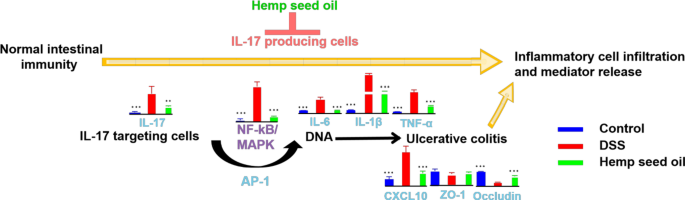
Hemp seed oil ameliorates DSS-induced ulcerative colitis in mice by altering transcriptomics and metabolomics
Journal of Natural Medicines

Hemp seed oil ameliorates DSS-induced ulcerative colitis in mice by altering transcriptomics and metabolomics

The study uses a mouse model of ulcerative colitis to test hemp seed oil and reports molecular and metabolic changes alongside reduced disease in the model. Patients and researchers may be interested because it explores...


Read Summary
Structural characterization and effect on diabetes mellitus with ulcerative colitis of polysaccharide from Chimonanthus salicifolius
Frontiers in Nutrition

Structural characterization and effect on diabetes mellitus with ulcerative colitis of polysaccharide from Chimonanthus salicifolius

A plant-derived polysaccharide improved inflammation, gut barrier markers, and metabolic measures in a mouse model of diabetes-linked ulcerative colitis — findings that could point to new research directions for...

Read Summary
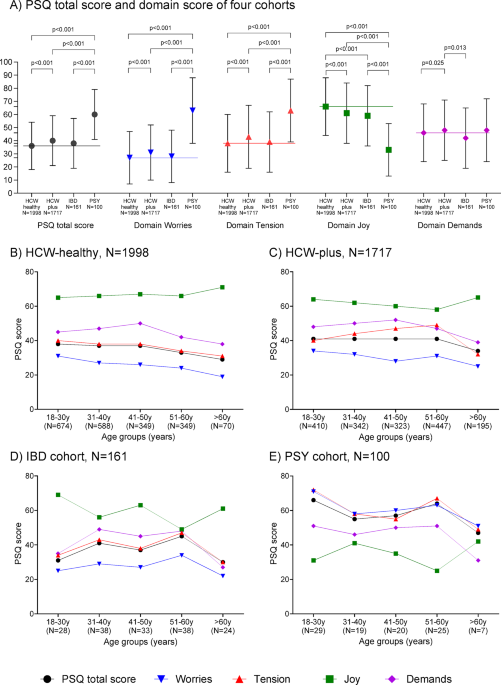
Results of the validated German Perceived Stress Questionnaire (PSQ) from a large German cohort of healthy adults and different disease groups compared to historical reference values
European Archives of Psychiatry and Clinical Neuroscience

Results of the validated German Perceived Stress Questionnaire (PSQ) from a large German cohort of healthy adults and different disease groups compared to historical reference values

Perceived stress affects quality of life and may influence symptom burden, disease management, and mental health in people with IBD. Updated PSQ benchmarks from a contemporary cohort help researchers and clinicians...

Read Summary
Mechanism of soluble dietary fiber from foxtail millet alleviating chronic colitis by reshaping intestinal fungi
Journal of the Science of Food and Agriculture

Mechanism of soluble dietary fiber from foxtail millet alleviating chronic colitis by reshaping intestinal fungi

The study suggests that a soluble fiber from foxtail millet can lessen colitis in a mouse model by changing gut fungal communities and improving barrier proteins — pointing to a possible food‑based approach worth further...

Read Summary
Acupoint Catgut Embedding Ameliorates Ulcerative Colitis in Association with Modulation of cGAS-STING Signaling and M1-Like/M2-Like Macrophage Markers.
Journal of inflammation research

Acupoint Catgut Embedding Ameliorates Ulcerative Colitis in Association with Modulation of cGAS-STING Signaling and M1-Like/M2-Like Macrophage Markers.

The study links a traditional acupuncture-derived technique (ACE) to reduced colitis severity in rats and to modulation of the cGAS–STING immune pathway and macrophage marker profiles, suggesting a potential mechanistic...

Read Summary
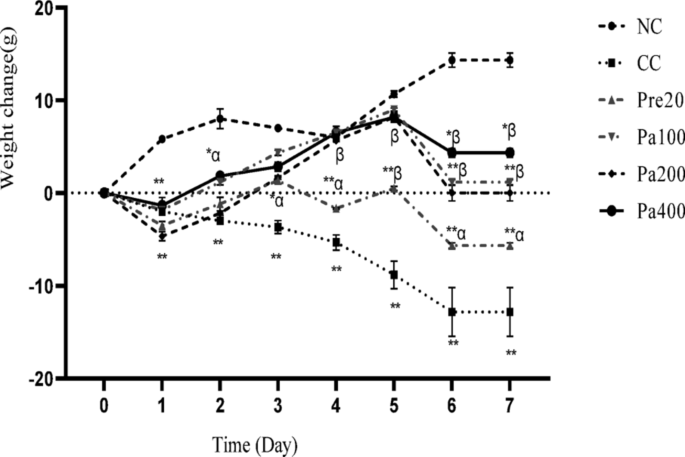
Dietary prevention of undernutrition reduces intestinal inflammation associated with an anti-inflammatory profile of gut microbiota in a preclinical model
Scientific Reports

Dietary prevention of undernutrition reduces intestinal inflammation associated with an anti-inflammatory profile of gut microbiota in a preclinical model

Undernutrition and lean-mass loss are common and harmful in people with IBD. If dietary strategies can prevent weight and muscle loss and shift the gut microbiota toward SCFA producers, that could be relevant to...

Read Summary
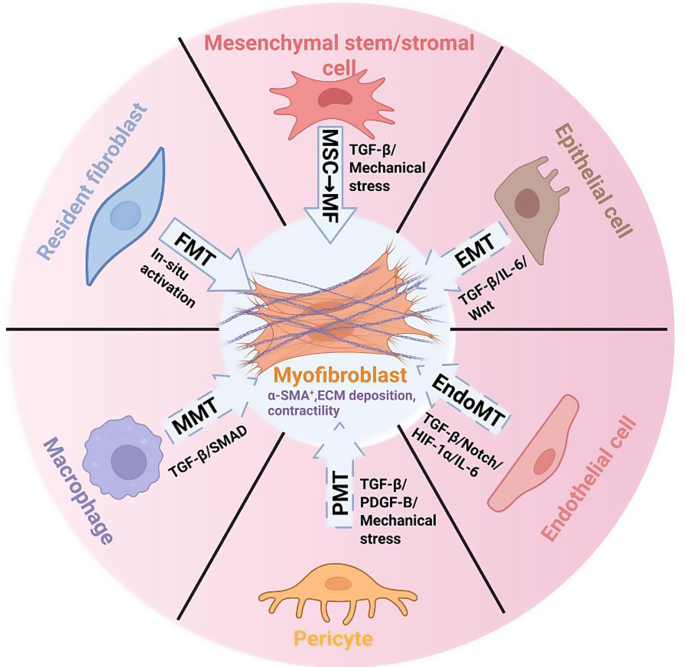
Phenotypic switching of gastrointestinal smooth muscle cells and the regulatory role of macrophages: a literature review.
Inflammation research : official journal of the European Histamine Research Society ... [et al.]

Phenotypic switching of gastrointestinal smooth muscle cells and the regulatory role of macrophages: a literature review.

SMC phenotypic switching can contribute to intestinal fibrosis and motility problems in IBD; understanding macrophage regulation of SMCs could point to new treatment targets for these complications.

Read Summary
Lonicerae Japonicae Flos as a Dietary Natural Product: Bioactive Constituents, Gut Health Modulation, and Therapeutic Potential in Ulcerative Colitis and Colorectal Cancer.
Food science & nutrition

Lonicerae Japonicae Flos as a Dietary Natural Product: Bioactive Constituents, Gut Health Modulation, and Therapeutic Potential in Ulcerative Colitis and Colorectal Cancer.

The review suggests LJF contains compounds that may reduce intestinal inflammation, support gut barrier health, and influence microbiota—areas directly relevant to ulcerative colitis and colorectal cancer risk. However,...

Read Summary
Inflammation-responsive sodium alginate-based microalgal hydrogel with pH/ROS dual sensitivity for oral colon-targeted therapy of ulcerative colitis.
International journal of biological macromolecules

Inflammation-responsive sodium alginate-based microalgal hydrogel with pH/ROS dual sensitivity for oral colon-targeted therapy of ulcerative colitis.

The study presents a new inflammation-responsive oral delivery system designed to concentrate antioxidant and anti-inflammatory activity in the colon, which could—if translated safely to humans—offer a way to treat...

Read Summary
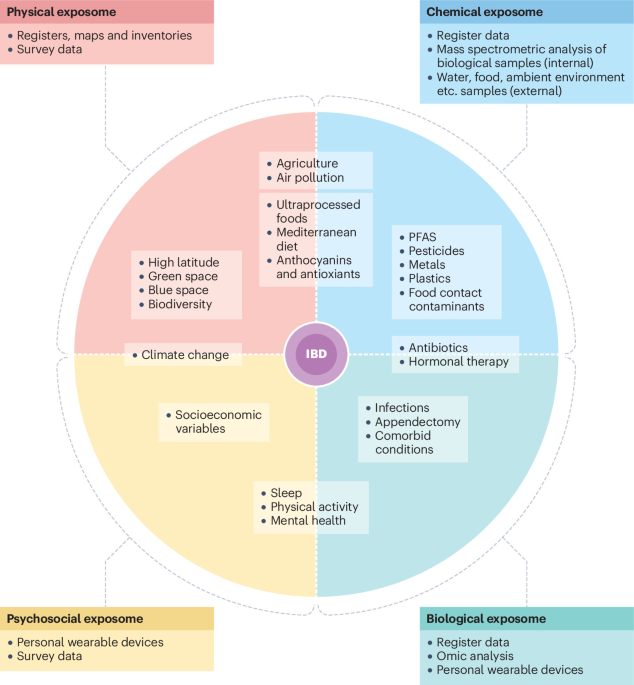
The exposome and inflammatory bowel disease: a framework for primary and primordial prevention
Nature Reviews Gastroenterology & Hepatology

The exposome and inflammatory bowel disease: a framework for primary and primordial prevention

The exposome perspective emphasizes that many non-genetic, potentially modifiable environmental factors likely influence IBD risk. Understanding these factors could help guide prevention research and public-health...

Read Summary
CME Exam 2: β-Glucan and Inulin Estimated Intake Are Associated With Reduced Risk of Crohn's Disease, Improved Gut Barrier and Systemic Inflammation Markers, and Multi-Omic Signatures in a High-Risk Cohort
Gastroenterology

CME Exam 2: β-Glucan and Inulin Estimated Intake Are Associated With Reduced Risk of Crohn's Disease, Improved Gut Barrier and Systemic Inflammation Markers, and Multi-Omic Signatures in a High-Risk Cohort

Based on the title and source metadata, this appears to be a clinical study related to Crohn's disease, Inflammatory bowel disease, and Diet and lifestyle. The original article is from Gastroenterology.

Read Summary
Multi-omics analyses unveil gut microbiota and metabolites signatures in deoxycholic acid-associated intestinal inflammation.
Frontiers in microbiology

Multi-omics analyses unveil gut microbiota and metabolites signatures in deoxycholic acid-associated intestinal inflammation.

The study links high levels of the bile acid DCA to microbiome and metabolite changes that correlate with intestinal inflammation in mice, suggesting a possible pathway connecting high‑fat diets to colitis risk.

Read Summary
Klebsiella pneumoniae in inflammatory bowel disease and rectal cancer: from gut inflammation to a potential driver of carcinogenesis.
Frontiers in microbiology

Klebsiella pneumoniae in inflammatory bowel disease and rectal cancer: from gut inflammation to a potential driver of carcinogenesis.

The review suggests that specific Klebsiella pneumoniae strains could connect chronic IBD inflammation with rectal cancer risk, pointing to possible biomarker or prevention targets that may be relevant for people with...

Read Summary
Frequent Use of Restricted Oral Intake During Hospitalization for IBD Flares Was Not Associated with Improved Clinical Outcomes: A Multicenter Retrospective Cohort Study.
Digestive diseases and sciences

Frequent Use of Restricted Oral Intake During Hospitalization for IBD Flares Was Not Associated with Improved Clinical Outcomes: A Multicenter Retrospective Cohort Study.

This study suggests routine restriction of oral intake during IBD flares (without obstruction/abscess/fistula) is common but not linked to better short-term outcomes, so unnecessary fasting may be avoidable for many...

Read Summary
Lonicerae Japonicae Flos as a Dietary Natural Product: Bioactive Constituents, Gut Health Modulation, and Therapeutic Potential in Ulcerative Colitis and Colorectal Cancer
Food science & nutrition

Lonicerae Japonicae Flos as a Dietary Natural Product: Bioactive Constituents, Gut Health Modulation, and Therapeutic Potential in Ulcerative Colitis and Colorectal Cancer

Based on the title and source metadata, this appears to be a systematic review or meta analysis related to Ulcerative colitis, Colorectal cancer, and Diet and lifestyle. The original article is from Food science &...

Read Summary
Chất lượng cuộc sống và các yếu tố ảnh hưởng ở bệnh nhân viêm ruột mạn
Tạp chí Khoa học tiêu hóa Việt Nam

Chất lượng cuộc sống và các yếu tố ảnh hưởng ở bệnh nhân viêm ruột mạn

This study identifies modifiable lifestyle factors (meal regularity and spicy/sour food intake) linked to quality of life in people with IBD, which could inform practical counseling for patients.

Read Summary
Switching standard dosed intravenous to subcutaneous infliximab leads to similar drug exposure in inflammatory bowel disease patients independent of concomitant immunosuppressants (SHUFFLE study).
British journal of clinical pharmacology

Switching standard dosed intravenous to subcutaneous infliximab leads to similar drug exposure in inflammatory bowel disease patients independent of concomitant immunosuppressants (SHUFFLE study).

The findings suggest people with IBD on IV infliximab could switch to fixed-dose SC infliximab without losing drug exposure, and many may gain convenience and higher trough drug levels regardless of concomitant...

Read Summary
ULCERATIVE COLITIS EXCLUSION DIET (UCED) – AN EMERGING NEW DIETARY APPROACH FOR ULCERATIVE COLITIS
International Journal of Innovative Technologies in Social Science

ULCERATIVE COLITIS EXCLUSION DIET (UCED) – AN EMERGING NEW DIETARY APPROACH FOR ULCERATIVE COLITIS

Dietary strategies like UCED aim to modify the gut microbiome and inflammation, which could help people with ulcerative colitis who have incomplete symptom control on medication. Patients often want nonpharmacologic...

Read Summary
Integrated metabolomic and genetic profiling implicate loss of docosahexaenoic acid in the link between ultra-processed foods and Crohn's disease.
Clinical gastroenterology and hepatology : the official clinical practice journal of the American Gastroenterological Association

Integrated metabolomic and genetic profiling implicate loss of docosahexaenoic acid in the link between ultra-processed foods and Crohn's disease.

If UPFs increase Crohn's risk by lowering DHA, that points to a measurable metabolic pathway linking diet and disease. Understanding this could inform dietary prevention strategies or targeted nutrition research for...

Read Summary
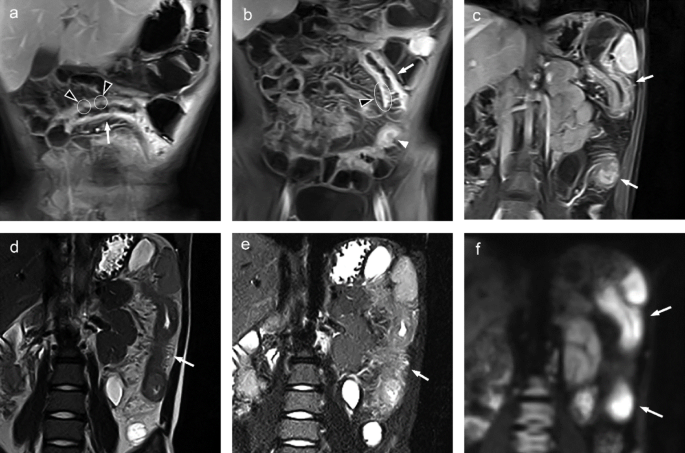
Clinical utility of magnetic resonance enterography for pediatric Crohn’s disease: a review with illustrative cases and a focus on Japan
Japanese Journal of Radiology

Clinical utility of magnetic resonance enterography for pediatric Crohn’s disease: a review with illustrative cases and a focus on Japan

MRE is a key radiation-free imaging tool for children with Crohn’s disease; this review summarizes its clinical utility and how it fits with other pediatric-focused diagnostic approaches in Japan.

Read Summary
MiR-29a deficiency disrupts gut microbiota-bile acid homeostasis and impairs the anti-inflammatory effects of lithocholic acid in colitis
Frontiers in Cellular and Infection Microbiology

MiR-29a deficiency disrupts gut microbiota-bile acid homeostasis and impairs the anti-inflammatory effects of lithocholic acid in colitis

The paper connects a host microRNA (miR-29a) to gut microbiota bile-acid metabolism and an anti-inflammatory bile acid (LCA). If similar mechanisms apply in people, it could point to new biological targets or biomarkers...

Read Summary
Colon-targeted EGCG delivery remodels the gut microenvironment to enhance therapeutic efficacy in ulcerative colitis.
Journal of controlled release : official journal of the Controlled Release Society

Colon-targeted EGCG delivery remodels the gut microenvironment to enhance therapeutic efficacy in ulcerative colitis.

The study introduces a colon-targeted EGCG delivery system that reduced inflammation and improved microbial and metabolic markers in a mouse model of UC, suggesting a potential new therapeutic approach worth further...

Read Summary
Use of a novel genetic mouse model to investigate the role of folate in colitis-associated colon cancer
The Journal of nutritional biochemistry

Use of a novel genetic mouse model to investigate the role of folate in colitis-associated colon cancer

The paper suggests that reduced folate transport can raise markers of inflammation-associated colon tumor initiation in mice, which is relevant because people with IBD are at higher risk for folate deficiency and colon...

Read Summary
Bioaccessibility of Phyllanthus emblica L. extract and its potential as a functional food for protecting against inflammatory bowel disease
Journal of the science of food and agriculture.

Bioaccessibility of Phyllanthus emblica L. extract and its potential as a functional food for protecting against inflammatory bowel disease

This study suggests a commonly eaten medicinal fruit extract has stable polyphenols through digestion and reduced inflammation in a zebrafish colitis model, which may be relevant to research into dietary approaches for...

Read Summary
Altered colonic keratin expression as a biomarker signature distinguishes IBD, microscopic colitis, and IBS – a retrospective study
BMC Gastroenterology

Altered colonic keratin expression as a biomarker signature distinguishes IBD, microscopic colitis, and IBS – a retrospective study

Biopsy-based keratin patterns might help distinguish IBD, microscopic colitis, and IBS—conditions that can look similar clinically—so this could improve diagnostic accuracy if validated.

Read Summary
Probiotic drug interactions in ulcerative colitis: a microbiota and metabolite perspective
Frontiers in Microbiology

Probiotic drug interactions in ulcerative colitis: a microbiota and metabolite perspective

People with UC often use probiotics or microbiome-directed therapies alongside prescription drugs. Understanding probiotic–drug interactions could explain why individuals respond differently to IBD treatments and may...

Read Summary
Antibiotic-Refractory Chronic Pouchitis After Ileal Pouch-Anal Anastomosis: Current and Emerging Therapeutic Strategies.
Drugs

Antibiotic-Refractory Chronic Pouchitis After Ileal Pouch-Anal Anastomosis: Current and Emerging Therapeutic Strategies.

Chronic antibiotic-refractory pouchitis is a common, impactful complication after ileal pouch-anal anastomosis that can worsen quality of life and increase the risk of pouch failure. Patients and clinicians need clearer...

Read Summary
Effects of grape seed extract on immune-related gene expression, inflammatory biomarkers, disease activity, and quality of life in patients with ulcerative colitis: a randomized, triple-blind, placebo-controlled trial
Scientific Reports

Effects of grape seed extract on immune-related gene expression, inflammatory biomarkers, disease activity, and quality of life in patients with ulcerative colitis: a randomized, triple-blind, placebo-controlled trial

Many people with UC try dietary supplements; this randomized trial tested grape seed extract and found a measurable reduction in an inflammation blood marker (hs‑CRP) but no clear improvement in most other measured...

Read Summary
Qijiao Shengbai capsule ameliorates ulcerative colitis in mice by modulating gut microbiota and protecting the intestinal barrier, associated with suppression of the TLR4/MyD88/NF-κB pathway
Frontiers in Microbiology

Qijiao Shengbai capsule ameliorates ulcerative colitis in mice by modulating gut microbiota and protecting the intestinal barrier, associated with suppression of the TLR4/MyD88/NF-κB pathway

This preclinical study connects an herbal medicine to changes in gut microbiota, inflammation, and intestinal barrier function in a mouse model of ulcerative colitis — findings that could inform future research on new...

Read Summary
Properties of Persea americana Mill (Lauraceae) kernels aqueous extract on acetic acid-induced ulcerative colitis in rats
Inflammopharmacology

Properties of Persea americana Mill (Lauraceae) kernels aqueous extract on acetic acid-induced ulcerative colitis in rats

People with ulcerative colitis may be interested because the study explores a plant extract that reduced inflammation markers in a common animal model of colitis, suggesting a possible new avenue for drug discovery or...

Read Summary
Preventive administration of verapamil attenuates dextran sulfate sodium-induced colitis in mice.
Experimental and therapeutic medicine

Preventive administration of verapamil attenuates dextran sulfate sodium-induced colitis in mice.

A common heart drug, verapamil, reduced disease signs in a mouse model of colitis and altered inflammation and the gut microbiota — suggesting a possible avenue for future IBD research. These are preclinical results, so...

Read Summary
Metabolic reprogramming in ulcerative colitis: integrating dietary drivers, pathogenesis, and therapeutic advances
Frontiers in Immunology

Metabolic reprogramming in ulcerative colitis: integrating dietary drivers, pathogenesis, and therapeutic advances

The review connects Western diet-driven metabolic shifts in the gut, immune cells, and microbiota to ulcerative colitis mechanisms and highlights metabolism-targeting therapies as a potential future avenue for treatment.

Read Summary
Factors Affecting the Adherence to Partial Enteral Nutrition Combined with the Crohn's Disease Exclusion Diet in Crohn's Disease Adult Patients.
Healthcare (Basel, Switzerland)

Factors Affecting the Adherence to Partial Enteral Nutrition Combined with the Crohn's Disease Exclusion Diet in Crohn's Disease Adult Patients.

Dietary therapy using the Crohn’s Disease Exclusion Diet plus partial enteral nutrition is an evidence-based nonpharmacologic option for active Crohn’s disease, but adult adherence is often poor. Understanding barriers...

Read Summary