Condition

Inflammatory bowel disease

Broader IBD news covering Crohn's disease, ulcerative colitis, research, treatments, monitoring, and patient care.

Page 38 of 88 · 4204 articles

Potential hazard assessment of 6PPD-quinone in the context of ulcerative colitis: network toxicology, machine learning, transcriptomic analysis, and preliminary In vivo validation
Frontiers in Immunology

Potential hazard assessment of 6PPD-quinone in the context of ulcerative colitis: network toxicology, machine learning, transcriptomic analysis, and preliminary In vivo validation

The study suggests a common environmental pollutant could worsen intestinal inflammation in experimental colitis and identifies molecular pathways that might mediate that effect, which could be relevant to understanding...

Read Summary
A study comparing exclusive enteral nutrition and an inflammatory bowel disease-blended diet in patients with acute severe ulcerative colitis
http://isrctn.com/

A study comparing exclusive enteral nutrition and an inflammatory bowel disease-blended diet in patients with acute severe ulcerative colitis

Based on the title and source metadata, this appears to be a clinical trial phase 2 related to Ulcerative colitis, Inflammatory bowel disease, and Research and clinical trials. The original article is from...

Read Summary
The gut microbiota-tryptophan metabolism-immune axis in inflammatory bowel disease: Mechanisms and therapeutic prospects
Human Vaccines & Immunotherapeutics

The gut microbiota-tryptophan metabolism-immune axis in inflammatory bowel disease: Mechanisms and therapeutic prospects

Based on the title and source metadata, this appears to be a clinical study related to Inflammatory bowel disease, Microbiome, and Research and clinical trials. The original article is from Human Vaccines &...

Read Summary
Gut Microbiota and Metabolic Pathway Signatures for Inflammatory Bowel Disease Identified via Subject-Stratified Random Forest Based on the Longitudinal HMP2 Cohort
Genes

Gut Microbiota and Metabolic Pathway Signatures for Inflammatory Bowel Disease Identified via Subject-Stratified Random Forest Based on the Longitudinal HMP2 Cohort

The study provides a more rigorous, leakage-free machine-learning analysis of a major IBD microbiome cohort and proposes reproducible microbial and metabolic pathway candidates that could eventually help IBD diagnosis or...

Read Summary
Switching to the IL-23 Inhibitor Guselkumab for People With Active IBD Who Previously Used Ustekinumab (SHIFT-IBD)
ClinicalTrials.gov

Switching to the IL-23 Inhibitor Guselkumab for People With Active IBD Who Previously Used Ustekinumab (SHIFT-IBD)

People with IBD who don’t respond well to ustekinumab may need alternative options. This study will track how patients fare after switching to guselkumab in routine clinical care and report rates of deep remission at one...

Read Summary
Building on Routinely Collected Health Data for Precision Population Care in Inflammatory Bowel Disease.
Healthcare quarterly (Toronto, Ont.)

Building on Routinely Collected Health Data for Precision Population Care in Inflammatory Bowel Disease.

Identifying common multimorbidity patterns and using machine learning to predict premature mortality could help health systems and clinicians prioritize integrated care for people with IBD, potentially improving outcomes...

Read Summary
Preparation and chemical characterization of polyphenol-rich extract from Tsaoko Fructus: alleviation of ulcerative colitis in mice by modulating gut microbiota and suppressing the JNK1-cJun signaling.
Phytomedicine : international journal of phytotherapy and phytopharmacology

Preparation and chemical characterization of polyphenol-rich extract from Tsaoko Fructus: alleviation of ulcerative colitis in mice by modulating gut microbiota and suppressing the JNK1-cJun signaling.

Researchers are exploring plant-derived polyphenols as potential anti-inflammatory agents for IBD. This preclinical study suggests a Tsaoko Fructus extract reduced colitis in mice, altered the gut microbiome toward...

Read Summary
Letter to the Editor: Salidroside in ulcerative colitis - neuroimmune regulatory mechanisms and clinical translation prospects
World Journal of Gastroenterology

Letter to the Editor: Salidroside in ulcerative colitis - neuroimmune regulatory mechanisms and clinical translation prospects

The letter highlights salidroside as a potential multi-target agent that could modulate neuro-immune interactions and protect the gut barrier — mechanisms relevant to ulcerative colitis. Patients and clinicians may see...

Read Summary
The Utility of Faecal Biomarkers in the Discrimination Between Acute Gastroenteritis and Inflammatory Bowel Disease
Biomedicines

The Utility of Faecal Biomarkers in the Discrimination Between Acute Gastroenteritis and Inflammatory Bowel Disease

Distinguishing acute infectious gastroenteritis from new‑onset IBD can be clinically challenging. Faecal biomarkers that help tell these apart could speed correct diagnosis and treatment and avoid unnecessary...

Read Summary
Disrupted Functional Network Organization in Crohn's Disease: Interoceptive Alterations Linked to Anxiety
CNS Neuroscience & Therapeutics

Disrupted Functional Network Organization in Crohn's Disease: Interoceptive Alterations Linked to Anxiety

The study suggests Crohn’s disease is associated with altered brain network organization in regions involved in sensing the body and emotions; anxiety appears to modulate these brain circuits. This could help explain why...

Read Summary
Supernatants of Water Extraction–Ethanol Precipitation from Roots of Rosa davurica Pall. Ameliorate Ulcerative Colitis in Mice: From Gut Microbes to Metabolites
Pharmaceuticals

Supernatants of Water Extraction–Ethanol Precipitation from Roots of Rosa davurica Pall. Ameliorate Ulcerative Colitis in Mice: From Gut Microbes to Metabolites

Preclinical work identified a plant-root extract fraction that reduced inflammation and improved some gut-barrier and microbiome features in a mouse model of ulcerative colitis, which could guide future research into new...

Read Summary
Polysaccharide-functionalized metal-polyphenol network-coated porous microspheres for improving the treatment of probiotics in ulcerative colitis.
International journal of pharmaceutics

Polysaccharide-functionalized metal-polyphenol network-coated porous microspheres for improving the treatment of probiotics in ulcerative colitis.

Improving oral delivery and colon targeting of probiotics could make probiotic therapies more effective for ulcerative colitis by increasing survival through the gut and retention at inflamed sites. If translated to...

Read Summary
Porto-sinusoidal vascular disorder and sinusoidal obstructive syndrome in patients treated with thiopurines: a systematic review.
Annals of hepatology

Porto-sinusoidal vascular disorder and sinusoidal obstructive syndrome in patients treated with thiopurines: a systematic review.

Thiopurines are commonly used in IBD (azathioprine, 6-mercaptopurine). This review links these drugs — especially 6-thioguanine — to liver microvascular injury that can lead to portal hypertension, which may present...

Read Summary
From discovery to mechanism: novel anti-ulcerative colitis meroterpenoids act through the PI3K/IκB-α/MAPK pathway.
Marine life science & technology

From discovery to mechanism: novel anti-ulcerative colitis meroterpenoids act through the PI3K/IκB-α/MAPK pathway.

The study reports a newly discovered class of marine-derived meroterpenoids and identifies a lead compound that reduced inflammatory markers and improved colitis in mice, which could eventually inform new drug...

Read Summary
Multi-Omic Analysis of Putative Cellular Senescence-Associated Genes on the Risk of Pan-Cancer.
Molecular carcinogenesis

Multi-Omic Analysis of Putative Cellular Senescence-Associated Genes on the Risk of Pan-Cancer.

The study suggests that genetic and single-cell signatures of cellular senescence may affect IBD susceptibility, pointing to possible new biomarkers or pathways relevant to disease risk and future therapies.

Read Summary
Outcomes of tofacitinib dose reduction in patients with ulcerative colitis in stable remission: a long-term follow-up of the randomized RIVETING trial.
Crohn's & colitis 360

Outcomes of tofacitinib dose reduction in patients with ulcerative colitis in stable remission: a long-term follow-up of the randomized RIVETING trial.

For people with UC on long-term tofacitinib, this trial provides evidence about the chances of keeping remission after stepping down dose and about safety differences between 10 mg and 5 mg twice daily over 30 months.

Read Summary
Development of a tissue-based risk prediction model combining histology and barrier biomarkers for clinical relapse in ulcerative colitis with endoscopic healing.
Therapeutic advances in gastroenterology

Development of a tissue-based risk prediction model combining histology and barrier biomarkers for clinical relapse in ulcerative colitis with endoscopic healing.

Patients with UC who appear healed on endoscopy can still relapse; a biopsy-based model could help separate lower- and higher-risk patients and guide monitoring or research enrollment.

Read Summary
Fatty acid-binding protein 2 in inflammatory bowel disease: mechanistic insights and translational perspectives.
Frontiers in medicine

Fatty acid-binding protein 2 in inflammatory bowel disease: mechanistic insights and translational perspectives.

FABP2 is presented as a sensitive biomarker of intestinal mucosal injury and a possible contributor to IBD mechanisms; if validated, it could improve disease monitoring and suggest new therapeutic targets.

Read Summary
Dynamic precision therapy in chronic gastrointestinal diseases: A focus on gastroesophageal reflux disease and inflammatory bowel disease-A narrative review and conceptual perspective.
Therapeutic advances in gastroenterology

Dynamic precision therapy in chronic gastrointestinal diseases: A focus on gastroesophageal reflux disease and inflammatory bowel disease-A narrative review and conceptual perspective.

The review lays out a multidimensional precision-care model that could help make IBD treatment more personalized, reduce unnecessary continuous medication, and use biomarker and technology-driven adjustments to manage...

Read Summary
Colitis Ameliorates Murine Autoimmune Cholangitis Through Polarization of M2 Macrophages and Inhibition of CD8+ T-Cells.
In vivo (Athens, Greece)

Colitis Ameliorates Murine Autoimmune Cholangitis Through Polarization of M2 Macrophages and Inhibition of CD8+ T-Cells.

The study explores how gut inflammation might influence liver autoimmune disease, which is relevant because people with IBD can have associated autoimmune cholangitis conditions. Understanding immune and metabolic links...

Read Summary
Comparative assessment of nutritional status and energy expenditure in relation to dietary intake in hospitalized and outpatient patients with inflammatory bowel disease across disease phases
Inflammatory Bowel Diseases

Comparative assessment of nutritional status and energy expenditure in relation to dietary intake in hospitalized and outpatient patients with inflammatory bowel disease across disease phases

The study suggests that measuring fat-free mass (FFMI) may reveal nutritional recovery after an IBD flare that BMI alone misses, which matters for identifying and treating malnutrition in IBD.

Read Summary
Management of Arthritis Associated with Inflammatory Bowel Disease (IBD): A Systematic Review of Conventional and Targeted Therapies
International Journal of Health and Pharmaceutical (IJHP)

Management of Arthritis Associated with Inflammatory Bowel Disease (IBD): A Systematic Review of Conventional and Targeted Therapies

Arthritis is a common and meaningful extraintestinal problem for people with IBD; understanding diagnosis and treatment options can help patients and clinicians seek appropriate multidisciplinary care.

Read Summary
Batatasin III alleviates inflammatory bowel disease by suppressing MMP7 and NFκB signaling in macrophages and restoring gut microbial balance
Scientific Reports

Batatasin III alleviates inflammatory bowel disease by suppressing MMP7 and NFκB signaling in macrophages and restoring gut microbial balance

The study identifies a new compound that reduced colitis severity in mice by acting on macrophage NF-κB signaling, lowering MMP7, improving epithelial barrier markers, and altering the gut microbiome — mechanisms...

Read Summary
Prevalence of dysphagia and eosinophilic esophagitis in patients with inflammatory bowel disease or type 2 inflammation: a cross-sectional multicenter screening study.
Therapeutic advances in gastroenterology

Prevalence of dysphagia and eosinophilic esophagitis in patients with inflammatory bowel disease or type 2 inflammation: a cross-sectional multicenter screening study.

EoE causes swallowing problems and can overlap with other immune-driven conditions. Knowing how common EoE is among people with IBD or type-2 inflammatory diseases may prompt clinicians to screen patients with...

Read Summary
Temporal Trends and Socio-Demographic Disparities in Inflammatory Bowel Disease: Insights from the Global Burden of Disease Study 2021
Digestive Diseases and Sciences

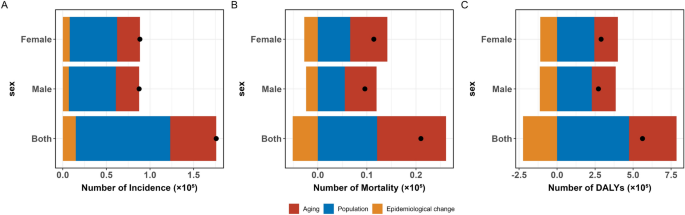
Temporal Trends and Socio-Demographic Disparities in Inflammatory Bowel Disease: Insights from the Global Burden of Disease Study 2021

This large, population-level analysis summarizes long-term global trends in IBD burden and shows rising incidence and persistent geographic and socio-demographic inequalities. Patients and clinicians may see why...

Read Summary
Computational identification and experimental validation of shared diagnostic biomarkers and gene signatures across HLA-B27-associated immune-mediated diseases
Journal of Translational Medicine

Computational identification and experimental validation of shared diagnostic biomarkers and gene signatures across HLA-B27-associated immune-mediated diseases

The work searches for shared blood-based gene signatures and biomarkers across HLA-B27–linked diseases (including Crohn’s disease and ulcerative colitis), which could point to common mechanisms or cross-disease...

Read Summary
Ethanolic Extract of Selaginella tamariscina Alleviates DSS-induced Ulcerative Colitis by Restoring Epithelial Barrier Function.
Journal of ethnopharmacology

Ethanolic Extract of Selaginella tamariscina Alleviates DSS-induced Ulcerative Colitis by Restoring Epithelial Barrier Function.

The study suggests a plant-derived extract can reduce inflammation and help restore the intestinal epithelial barrier in laboratory models of ulcerative colitis, which is directly relevant to research into new IBD...

Read Summary
Interaction between Chinese olive (Canarium album L.) polyphenols and gut microbiota: Potential implications for inflammatory bowel disease.
Journal of the science of food and agriculture

Interaction between Chinese olive (Canarium album L.) polyphenols and gut microbiota: Potential implications for inflammatory bowel disease.

The study suggests that polyphenols can change gut bacteria and metabolite production differently in people with IBD versus healthy controls, which could matter for designing personalized dietary interventions.

Read Summary
Chishizhi Yuyuliang Decoction Ameliorates Ulcerative Colitis in Mice by Promoting Colonic Epithelial Mucosal Healing via the CAV1/FA Axis.
Rapid communications in mass spectrometry : RCM

Chishizhi Yuyuliang Decoction Ameliorates Ulcerative Colitis in Mice by Promoting Colonic Epithelial Mucosal Healing via the CAV1/FA Axis.

This paper identifies a herbal formula that improved inflammation and epithelial barrier repair in a mouse colitis model and highlights specific molecular pathways (CAV1/FAK/paxillin and metabolite pathways) that might...

Read Summary
Development of a risk prediction model for moderate-to-severe ulcerative colitis complicated with clostridium difficile infection based on serological markers
European Journal of Medical Research

Development of a risk prediction model for moderate-to-severe ulcerative colitis complicated with clostridium difficile infection based on serological markers

Clostridium difficile infection is an important and potentially serious complication in ulcerative colitis. A blood‑marker–based risk model could help identify higher‑risk patients noninvasively so clinicians can...

Read Summary
Identification of Ferro‐Aging‐Related Biomarkers for Ulcerative Colitis Through Integrated Machine Learning, Single‐Cell Analysis, and Spatial Transcriptomics
The FASEB Journal

Identification of Ferro‐Aging‐Related Biomarkers for Ulcerative Colitis Through Integrated Machine Learning, Single‐Cell Analysis, and Spatial Transcriptomics

Researchers identified molecular features of a proposed “ferro‑aging” state in UC and nominated CHST15 and MSN as biomarkers, which could help understand disease biology and point to new experimental targets for therapy...

Read Summary
A Receptor-Mediated Endolysosomal Recycling Chimera Enables Catalytic TNF-α Degradation for Sustained Treatment of Mucosal Inflammation.
Advanced materials (Deerfield Beach, Fla.)

A Receptor-Mediated Endolysosomal Recycling Chimera Enables Catalytic TNF-α Degradation for Sustained Treatment of Mucosal Inflammation.

This study reports a new engineered platform that can catalytically degrade TNF‑α, the same inflammatory cytokine targeted by several IBD therapies. If translated to humans, it could offer longer‑lasting mucosal...

Read Summary
Predictive value of epithelial lesion heterogeneity in the etiological diagnosis of chronic inflammatory bowel disease
BMC Gastroenterology

Predictive value of epithelial lesion heterogeneity in the etiological diagnosis of chronic inflammatory bowel disease

Distinguishing UC from Crohn’s colitis can be challenging but affects long-term management and surveillance. A histologic feature—homogeneity versus heterogeneity of epithelial lesions across biopsies—might help improve...

Read Summary
AI-driven ultrahigh magnification endocytoscopy for real-time assessment of intestinal barrier integrity and prediction of clinical outcomes in inflammatory bowel disease.
Endoscopy

AI-driven ultrahigh magnification endocytoscopy for real-time assessment of intestinal barrier integrity and prediction of clinical outcomes in inflammatory bowel disease.

Cure8 found this source from Endoscopy, but the page could not be read reliably yet. It is tagged for Inflammatory bowel disease and Research and clinical trials. Open the original article for the full details.

Read Summary
Serious infections in patients with inflammatory bowel disease and corticosteroids: A propensity score-matched study.
Clinical gastroenterology and hepatology : the official clinical practice journal of the American Gastroenterological Association

Serious infections in patients with inflammatory bowel disease and corticosteroids: A propensity score-matched study.

Corticosteroid use during IBD treatment periods was associated with higher rates of serious infections across drug classes and age groups, which may affect decisions about steroid use and infection-prevention planning.

Read Summary
Integrated microbiome and metabolomics analysis of the mechanism of inflammation-reducing effects of cyanidin-3-glucoside and blueberry pectin complexes in mice with ulcerative colitis.
International journal of biological macromolecules

Integrated microbiome and metabolomics analysis of the mechanism of inflammation-reducing effects of cyanidin-3-glucoside and blueberry pectin complexes in mice with ulcerative colitis.

This mouse study suggests a blueberry-derived anthocyanin plus pectin complex can alter gut microbes and metabolites linked to inflammation, pointing to a dietary approach that might influence ulcerative colitis biology.

Read Summary
Two Levan-type fructans from Allium macrostemon Bunge alleviate dextran sulfate sodium-induced intestinal injury in Drosophila melanogaster.
International journal of biological macromolecules

Two Levan-type fructans from Allium macrostemon Bunge alleviate dextran sulfate sodium-induced intestinal injury in Drosophila melanogaster.

Researchers reported that two plant-derived fructans reduced chemically induced intestinal injury in a fruit fly model and modulated stress and regenerative signaling. For people interested in new IBD therapeutic leads,...

Read Summary
Extracellular vesicles in inflammatory bowel disease: from immune regulation and barrier repair to precise transformation.
Autoimmunity reviews

Extracellular vesicles in inflammatory bowel disease: from immune regulation and barrier repair to precise transformation.

The review summarizes how extracellular vesicles (EVs) shape immune responses and barrier repair in the gut and discusses their potential as accessible biomarkers and as vehicles for precise IBD therapies — topics that...

Read Summary
Wearable perspiration sensor for continuous inflammation tracking in inflammatory bowel disease.
Inflammatory bowel diseases

Wearable perspiration sensor for continuous inflammation tracking in inflammatory bowel disease.

A wearable sensor that reliably measures inflammation markers (CRP and calprotectin) from sweat could make inflammation monitoring less invasive and more frequent for people with IBD, potentially helping detect flares...

Read Summary