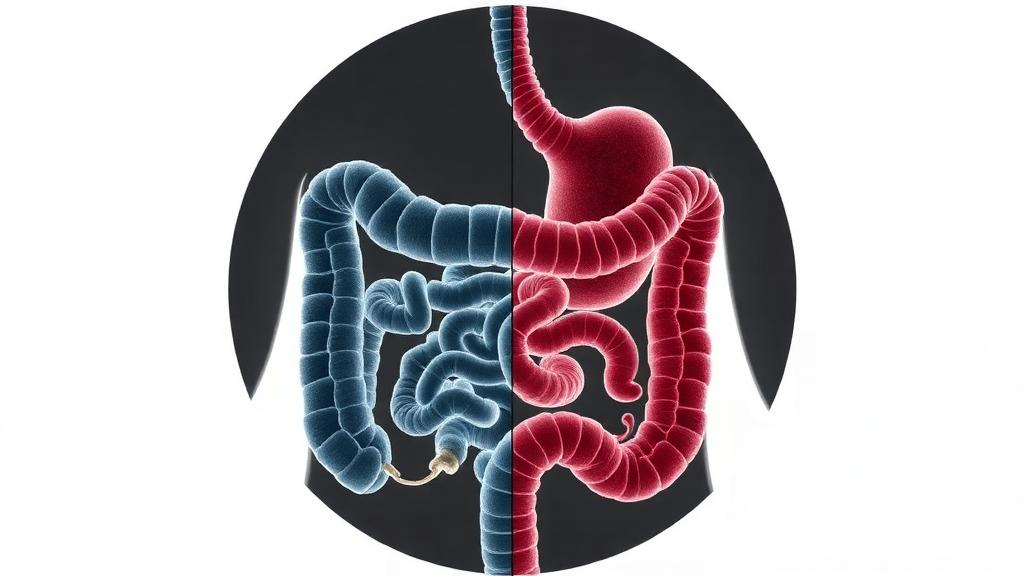
Diet is a potentially modifiable factor that could affect symptoms, inflammation, and the gut microbiome in ulcerative colitis; this trial aims to test whether a modified Mediterranean diet added to standard therapy...
Preclinical research suggests acebrophylline might reduce inflammation and oxidative stress in an experimental mouse model of ulcerative colitis, which could be an early step toward new treatments that target multiple...
Bowel urgency is a common, distressing symptom in ulcerative colitis that matters for quality of life. This analysis indicates vedolizumab may reduce urgency and that early improvement is linked to better clinical and...
Preclinical work identifies a natural-product mixture that reduced inflammation, improved gut barrier markers, and changed the microbiome in a mouse model of ulcerative colitis. This could be an early step toward new...
The study suggests IBD patients can fall into two distinct gut-microbe/metabolite types that align with differences in disease severity and mental-health scores, which could help explain why patients with the same...
The study identifies a molecular epithelial program (GART-associated) linked to proliferation and purine metabolism in ulcerative colitis, which could inform future mechanistic research and biomarker development relevant...
The study identifies and functionally validates a new STXBP3 variant that likely causes VEOIBD with immunodeficiency, which can help explain disease in affected infants and inform genetic counseling and further research.
The study suggests a new microbiota–metabolite–immune pathway (palmitic acid → PI3K/AKT → NETs) that may drive colitis and that Forsythia polysaccharides can modify, which could point to future microbiota-targeted...
The paper describes a novel colon-targeted delivery system that improved local drug retention, reduced dosing frequency, and changed microbiota and metabolic markers in a mouse model of UC — developments that could...
Based on the title and source metadata, this appears to be a clinical study related to Inflammatory bowel disease, Microbiome, and Research and clinical trials. The original article is from Gut Pathogens.
The study tests combined neutralization of two pro-inflammatory cytokines plus IL‑10 in a mouse colitis model and reports reduced inflammation and restored macrophage cellular pathways, which may inform future IBD...
Crohn's is becoming more common among younger Americans and long-term uncontrolled inflammation raises colorectal cancer risk. Understanding possible lifestyle and medical factors can help patients and clinicians focus...
Understanding whether innate lymphoid cells retain ‘memory’ that drives psoriasis relapse could reveal biomarkers to monitor recurrence and suggest new therapeutic targets for patients with recurrent disease.
This project explores how CD74 in intestinal stem cells and Paneth cells helps control mucosal immune responses and epithelial repair — processes directly relevant to IBD pathogenesis and recovery.
People with IBD are at increased risk of bone loss; this study points to a microbiome-related pathway (A. muciniphila and an IDA metabolite) that might protect bone in an experimental colitis model, which could...
Localized hydrogel drug delivery aims to concentrate therapy at inflamed gut sites while reducing systemic side effects — a potentially useful approach for people with IBD who have inadequate response or intolerable...
The study explores a novel, non-invasive way to deliver an IL-23–blocking protein to the gut using engineered Lactococcus lactis, which could eventually offer an alternative to systemic biologics for controlling...
Patients with multiple biologic failures appear more likely to have inflammatory comorbidities (including IBD) and to experience worse dermatology-related quality of life despite similar early skin improvement. That...
The study describes a new nanozyme-based oral formulation that reduced NET formation and improved mucosal healing in a mouse model of ulcerative colitis, suggesting a novel preclinical approach to long‑term...
PSC co-occurring with celiac disease appears more common than expected and is associated with a high rate of liver complications (including cirrhosis) and frequent coexisting IBD—information that may affect monitoring...
Nanozyme-based therapeutics are an emerging experimental strategy that aim to reduce oxidative stress and modulate immune responses in the inflamed gut — mechanisms directly relevant to IBD pathophysiology.
Oxidative stress may be a key driver of inflammation in IBD and could point to new biomarkers or adjunctive treatments (dietary changes, antioxidant strategies, or targeted pathways like Nrf2 and ferroptosis) that...
This study explores a novel, non-invasive way to block IL-23 — an important inflammatory driver in IBD — by orally delivering small IL-23 inhibitors using engineered Lactococcus lactis in mouse colitis models.
The study suggests adding a structured 16-week exclusive enteral nutrition plan to ustekinumab treatment may improve short- and medium-term clinical and endoscopic outcomes for adults with moderate-to-severe Crohn’s...
Links between GWAS risk loci and the specific cell types where those loci may act can focus laboratory experiments and eventually help identify causal genes or pathways relevant to Crohn’s disease.
This review explains how new drug classes and mechanism-focused strategies may change how IBD is treated, which could affect choices for patients who have not responded to existing therapies and inform discussions about...
Based on the title and source metadata, this appears to be a clinical study related to Ulcerative colitis, Inflammatory bowel disease, and Microbiome. The original article is from AMB Express.
The review identifies a novel molecular mechanism (S-palmitoylation) that may drive barrier dysfunction and intestinal inflammation in IBD, suggesting new non-immunosuppressive therapeutic targets that could eventually...
The review suggests NETs are elevated in IBD and that reducing NETs activity helped in animal models—so NETs could be a future therapeutic target and a biomarker of disease severity.
The review proposes S100B as a molecular link connecting enteric glial activation, intestinal barrier dysfunction, and liver/brain inflammation. If confirmed, this could help explain symptom overlap between gut and...
Based on the title and source metadata, this appears to be a basic science related to Ulcerative colitis, Inflammatory bowel disease, and Research and clinical trials. The original article is from Pharmaceutical...
The study presents a preclinical strategy to concentrate an existing antihistamine drug in the colon and reduce systemic exposure, which could improve local efficacy and safety for IBD treatment if later validated in...
The review compiles trial and real-world safety data for upadacitinib in IBD and highlights monitoring needs and infection risks (notably herpes zoster), which are directly relevant when choosing or managing JAK...
The work aims to improve colon-targeted delivery of an aminosalicylate (balsalazide) to boost local drug levels and protect the drug from gastric degradation—potentially relevant to people with ulcerative colitis looking...
If you or someone you care for uses or may use VELSIPITY (etrasimod) for ulcerative colitis, local manufacturing and priority review in China could improve drug supply, availability, and potentially lower costs. The...
Researchers report that a polysaccharide from Radix Hedysari reduced inflammation, improved barrier proteins, and shifted gut bacteria in a mouse model of ulcerative colitis — suggesting a potential preventive candidate...
Early, easily available blood markers that predict mucosal healing could help clinicians decide sooner whether a new or intensified therapy is working, potentially reducing prolonged ineffective treatment and guiding...
Researchers are testing a new swallowable thermal capsule that could eventually help detect temperature changes from GI inflammation. For people with Crohn’s disease or IBD, a safe, noninvasive way to sense inflammatory...
Stigma and avoidance can harm social and work functioning for people with IBD. Knowing which factors increase avoidance (visible symptoms, prolonged contact, absence of a diagnosis label) can help patients and clinicians...
Researchers are developing oral delivery methods to make promising anti‑inflammatory compounds more effective. If such platforms translate to humans, they could expand treatment options for UC by improving absorption of...
Digestive and liver disease : official journal of the Italian Society of Gastroenterology and the Italian Association for the Study of the Liver· via Europe PMC
Based on the title and source metadata, this appears to be a patient education related to Ulcerative colitis, Inflammatory bowel disease, and Colonoscopy. The original article is from Digestive and liver disease :...
Based on the title and source metadata, this appears to be a basic science related to Ulcerative colitis, Inflammatory bowel disease, and Research and clinical trials. The original article is from Enzyme and Microbial...
The paper identifies a specific probiotic strain that reduced colitis signs and improved intestinal barrier function in a mouse model, supporting further preclinical and translational work toward microbiome-based...
The study proposes a machine learning approach to identify SNPs linked to Crohn’s disease risk, which could help researchers prioritize genetic variants for further study and, eventually, contribute to risk prediction or...
Cure8 found this source from tipranks.com, but the page could not be read reliably yet. It is tagged for Crohn's disease, Inflammatory bowel disease, and Ontunisertib. Open the original article for the full details.
Positive results and a planned Phase 2b study suggest ontunisertib is progressing in development for fibrostenosing Crohn’s disease — a condition with limited targeted therapies for intestinal fibrosis.