All topics

Research and clinical trials

Clinical trials, biomarkers, microbiome, genetics, AI, basic science, and emerging IBD research.

Page 22 of 65 · 3102 articles

Comprehensive Phenotyping of Circulating T- and B-Cell Subsets in Patients with Ankylosing Spondylitis Associated with Crohn's Disease.
Cells

Comprehensive Phenotyping of Circulating T- and B-Cell Subsets in Patients with Ankylosing Spondylitis Associated with Crohn's Disease.

If confirmed, distinct circulating T- and B-cell patterns could help researchers and clinicians better understand immune differences in patients who have both ankylosing spondylitis and Crohn's disease, and could point...

Read Summary
Trichostatin A ameliorates ulcerative colitis via the SERPINB5-mediated MMP9/RLN2 signaling pathway.
Pathology, research and practice

Trichostatin A ameliorates ulcerative colitis via the SERPINB5-mediated MMP9/RLN2 signaling pathway.

The paper identifies a molecular pathway (SERPINB5–MMP9–RLN2) by which the HDAC inhibitor trichostatin A reduced inflammation and protected the intestinal barrier in mouse and cell models of ulcerative colitis,...

Read Summary
Is There a Way to Break the Glass Ceiling in the Diagnosis and Treatment of Extraintestinal Manifestations (EIMs) in the Course of Inflammatory Bowel Diseases? A Comprehensive Review of Diagnosis, Pathophysiology, and Treatment of EIM
Journal of Clinical Medicine

Is There a Way to Break the Glass Ceiling in the Diagnosis and Treatment of Extraintestinal Manifestations (EIMs) in the Course of Inflammatory Bowel Diseases? A Comprehensive Review of Diagnosis, Pathophysiology, and Treatment of EIM

Extraintestinal manifestations (skin, joint, eye, liver) are common in IBD and can greatly affect quality of life; better recognition and coordinated care can speed diagnosis and improve outcomes.

Read Summary
Resveratrol suppresses ulcerative colitis and colitis-associated colorectal cancer via modulating the miR-31-5p/SATB2 axis
World Journal of Gastrointestinal Oncology

Resveratrol suppresses ulcerative colitis and colitis-associated colorectal cancer via modulating the miR-31-5p/SATB2 axis

The paper identifies a molecular pathway (miR-31-5p/SATB2) linked to UC progression to colitis-associated cancer and reports that resveratrol modulates this axis in mice, suggesting a potential preventive mechanism worth...

Read Summary
Glutathione peroxidase in inflammatory bowel disease: From ferroptosis, immunity, and microbiota regulation to targeted nanomedicines.
Life sciences

Glutathione peroxidase in inflammatory bowel disease: From ferroptosis, immunity, and microbiota regulation to targeted nanomedicines.

GPX and selenium-related pathways may be important to how oxidative stress, ferroptosis, and the microbiome contribute to IBD. Understanding these mechanisms could guide future therapies.

Read Summary
Enteric glial cell remodeling at diagnosis is associated with reduced mucosal inflammation at follow-up in pediatric ulcerative colitis.
Human pathology

Enteric glial cell remodeling at diagnosis is associated with reduced mucosal inflammation at follow-up in pediatric ulcerative colitis.

If confirmed, a pathology marker visible on routine biopsy (EGC patterns by SOX10 IHC) could help predict which children with ulcerative colitis are more likely to have improved mucosal inflammation over the first year,...

Read Summary
Statement of Retraction: Protective effect of Sarsasapogenin in TNBS induced ulcerative colitis in rats associated with downregulation of pro-inflammatory mediators and oxidative stress
Immunopharmacology and Immunotoxicology

Statement of Retraction: Protective effect of Sarsasapogenin in TNBS induced ulcerative colitis in rats associated with downregulation of pro-inflammatory mediators and oxidative stress

Based on the title and source metadata, this appears to be a regulatory update related to Ulcerative colitis, Inflammatory bowel disease, and Research and clinical trials. The original article is from Immunopharmacology...

Read Summary
EPS deficiency aggravates intestinal mucosal inflammation and dysbiosis through disrupting macrophage polarization balance in ulcerative colitis
Frontiers in Immunology

EPS deficiency aggravates intestinal mucosal inflammation and dysbiosis through disrupting macrophage polarization balance in ulcerative colitis

If EPS helps restrain inflammation by shifting macrophages toward an M2 phenotype and is reduced in active UC, it could help explain mechanisms of mucosal inflammation and point to new biomarker or therapeutic strategies...

Read Summary
Explainable random forest–SHAP framework for Montreal phenotype–stratified prediction of one-year complications in Crohn’s disease
Frontiers in Physiology

Explainable random forest–SHAP framework for Montreal phenotype–stratified prediction of one-year complications in Crohn’s disease

A model that predicts one-year risks for surgery and complications by Montreal phenotype could help identify patients at higher short-term risk and guide research into targeted monitoring or interventions.

Read Summary
Comparative pharmacodynamic material basis of oral and colonic administration of Baitouweng decoction in experimental ulcerative colitis.
Journal of ethnopharmacology

Comparative pharmacodynamic material basis of oral and colonic administration of Baitouweng decoction in experimental ulcerative colitis.

The paper suggests that the same herbal formula can produce different absorbed components and target interactions depending on oral versus colonic delivery, which could influence therapeutic effects in ulcerative colitis...

Read Summary
Differences in hepatic metabolism of Liandan Xiaoyan Formula between control and ulcerative colitis mice associated with FXR/PXR-CYP450 changes.
Journal of pharmaceutical and biomedical analysis

Differences in hepatic metabolism of Liandan Xiaoyan Formula between control and ulcerative colitis mice associated with FXR/PXR-CYP450 changes.

Disease-related changes in liver drug-metabolizing enzymes may alter how herbal formulas or medications are processed in people with UC, potentially affecting efficacy or safety. Understanding the mechanisms helps inform...

Read Summary
Design, synthesis, and evaluation of indole-pyridine chalcone derivatives as novel HK2 inhibitors to modulate macrophage glycolysis and inflammation for IBD treatment.
European journal of medicinal chemistry

Design, synthesis, and evaluation of indole-pyridine chalcone derivatives as novel HK2 inhibitors to modulate macrophage glycolysis and inflammation for IBD treatment.

The study identifies HK2 inhibition as a potential mechanism to shift pro-inflammatory macrophages and reduce intestinal inflammation in preclinical models, which could guide future drug development for IBD.

Read Summary
In vivo and molecular docking studies of Micromeria imbricata var. imbricata extract reveal alleviation of the DSS-induced IBD phenotype via interaction with key inflammatory mediators.
Journal of ethnopharmacology

In vivo and molecular docking studies of Micromeria imbricata var. imbricata extract reveal alleviation of the DSS-induced IBD phenotype via interaction with key inflammatory mediators.

People with IBD may hear about botanical treatments; this study provides preclinical data that Micromeria imbricata extracts showed beneficial effects in a mouse colitis model and identified compounds that dock to...

Read Summary
Neutrophil activation parameter is a promising new biomarker of disease activity in ulcerative colitis.
Clinica chimica acta; international journal of clinical chemistry

Neutrophil activation parameter is a promising new biomarker of disease activity in ulcerative colitis.

A simple blood-derived neutrophil activation marker (Neut-RI) correlated with clinical disease activity in ulcerative colitis and outperformed fecal calprotectin and CRP in this study, suggesting a potential low-cost,...

Read Summary
Small but mighty: the human mycobiome as an immunopharmacological regulator of inflammation and autoimmunity.
International immunopharmacology

Small but mighty: the human mycobiome as an immunopharmacological regulator of inflammation and autoimmunity.

Fungi in the gut appear to influence immune pathways implicated in IBD and other autoimmune diseases, suggesting new therapeutic targets and microbiome-based interventions that could affect disease activity.

Read Summary
Smartly engineered biomaterials drive immune remodeling: A new paradigm for precise treatment of inflammatory bowel disease.
International immunopharmacology

Smartly engineered biomaterials drive immune remodeling: A new paradigm for precise treatment of inflammatory bowel disease.

This paper outlines research strategies aiming to deliver drugs more precisely to inflamed gut tissue and to reshape immune-cell behavior — advances that could eventually lead to safer, more targeted IBD treatments. It’s...

Read Summary
Macrophage plasticity as a therapeutic target in inflammatory bowel disease: Immunomodulatory and regenerative strategies.
International immunopharmacology

Macrophage plasticity as a therapeutic target in inflammatory bowel disease: Immunomodulatory and regenerative strategies.

Macrophages are central regulators of intestinal inflammation and repair; understanding their diversity and how to modulate them could lead to new, more targeted treatments for Crohn's disease and ulcerative colitis.

Read Summary
Extreme temperature events and hospitalizations for 59 autoimmune diseases in Korea: A nationwide outcome-wide, time-stratified, case-crossover study.
Environmental research

Extreme temperature events and hospitalizations for 59 autoimmune diseases in Korea: A nationwide outcome-wide, time-stratified, case-crossover study.

Short periods of extreme heat may modestly increase the chance of hospitalization for IBD and Crohn’s disease. Patients and clinicians should be aware that temperature extremes could be a trigger for worsening disease...

Read Summary
A robustness-first cross-disease framework supports a candidate shared microbial redox axis and disease-specific metabolic divergence in colorectal cancer, Crohn's disease, and liver cirrhosis.
mSystems

A robustness-first cross-disease framework supports a candidate shared microbial redox axis and disease-specific metabolic divergence in colorectal cancer, Crohn's disease, and liver cirrhosis.

Researchers found a candidate shared microbial signal across colorectal cancer, Crohn’s disease, and liver cirrhosis that points to redox-related microbial functions; this could guide future biomarker or experimental...

Read Summary
Infrared spectroscopy with statistical analysis and machine learning for cancer risk assessment in inflammatory bowel disease patients.
The Analyst

Infrared spectroscopy with statistical analysis and machine learning for cancer risk assessment in inflammatory bowel disease patients.

The study tests a molecular technique (ATR-FTIR) with machine learning on biopsy tissue to find signals linked to future dysplasia/CRC risk in IBD — a potential complement to colonoscopic surveillance if validated.

Read Summary
Therapeutic response to exclusive enteral nutrition correlates with suppressed IL-17 signaling activity and diminished IL-1β secretion in pediatric Crohn's disease
Frontiers in Nutrition

Therapeutic response to exclusive enteral nutrition correlates with suppressed IL-17 signaling activity and diminished IL-1β secretion in pediatric Crohn's disease

Shows molecular correlates (reduced IL‑17 signaling and IL‑1β) linked with mucosal healing after exclusive enteral nutrition in children with Crohn's disease, which may help researchers develop biomarkers or understand...

Read Summary
Digital Mind Body Intervention Among Black and Hispanic Patients Living With Inflammatory Bowel Disease
ClinicalTrials.gov

Digital Mind Body Intervention Among Black and Hispanic Patients Living With Inflammatory Bowel Disease

Psychological distress and gut–brain interactions can worsen quality of life and IBD outcomes. A culturally tailored, scalable digital mind–body program could improve access to psychosocial care for Black and Hispanic...

Read Summary
Engineered microvesicle-mediated multimodal therapy resolves ulcerative colitis via synergistic immunoregulation, barrier restoration, and microbiota remodeling
Materials today. Bio

Engineered microvesicle-mediated multimodal therapy resolves ulcerative colitis via synergistic immunoregulation, barrier restoration, and microbiota remodeling

Based on the title and source metadata, this appears to be a basic science related to Ulcerative colitis, Inflammatory bowel disease, and Microbiome. The original article is from Materials today. Bio.

Read Summary
Optimizing Endoscopic Assessment of Postoperative Crohn's Disease: A Scoping Review.
Digestive endoscopy : official journal of the Japan Gastroenterological Endoscopy Society

Optimizing Endoscopic Assessment of Postoperative Crohn's Disease: A Scoping Review.

Endoscopic scores guide detection and treatment of postoperative Crohn's recurrence; better scoring could change who gets earlier therapy and potentially prevent clinical or surgical relapse.

Read Summary
Immune–microbe interactions in pediatric ulcerative colitis: clinical features, pathogenesis, and novel targeted therapeutic strategies
Frontiers in Immunology

Immune–microbe interactions in pediatric ulcerative colitis: clinical features, pathogenesis, and novel targeted therapeutic strategies

PUC often behaves differently and more aggressively than adult-onset UC; understanding pediatric‑specific causes and treatments could lead to better, more effective therapies for children.

Read Summary
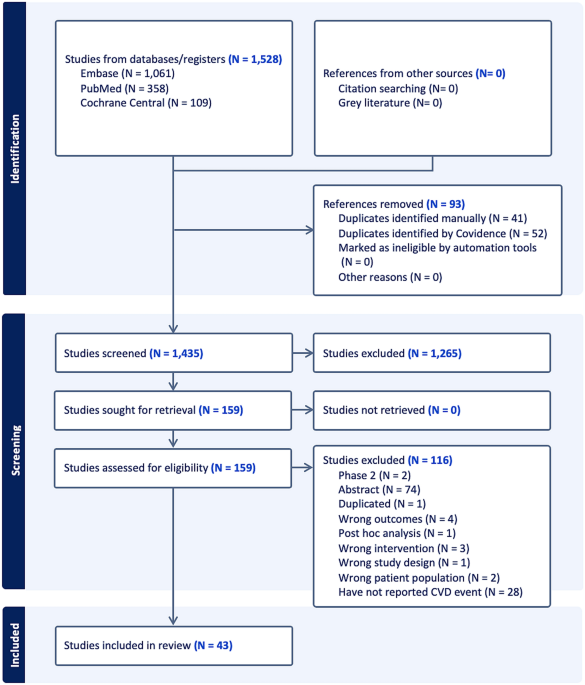
Major cardiovascular event risk of advanced therapies in inflammatory bowel diseases: systematic review and meta-analysis
Inflammation Research

Major cardiovascular event risk of advanced therapies in inflammatory bowel diseases: systematic review and meta-analysis

A pooled analysis of cardiovascular risk tied to advanced IBD therapies could affect treatment decisions and monitoring plans because some immune-targeted drugs have been linked to cardiovascular safety concerns in other...

Read Summary
[Corrigendum] Integrative transcriptomic analysis unveils FXR as a key regulator of intestinal stemness and inflammation in ulcerative colitis
International Journal of Molecular Medicine

[Corrigendum] Integrative transcriptomic analysis unveils FXR as a key regulator of intestinal stemness and inflammation in ulcerative colitis

Accurate methods and dataset labels matter for researchers reproducing transcriptomic analyses and for clinicians interpreting translational implications. The corrigendum clarifies which datasets and experimental models...

Read Summary
Macrophage SELENOP controls neutrophil homeostasis through redox stress regulation in Crohn's disease.
Redox biology

Macrophage SELENOP controls neutrophil homeostasis through redox stress regulation in Crohn's disease.

The paper identifies macrophage SELENOP as a regulator of oxidative stress and neutrophil behavior in Crohn’s disease samples and mouse models, pointing to a new mechanism that could become a target for future treatments...

Read Summary
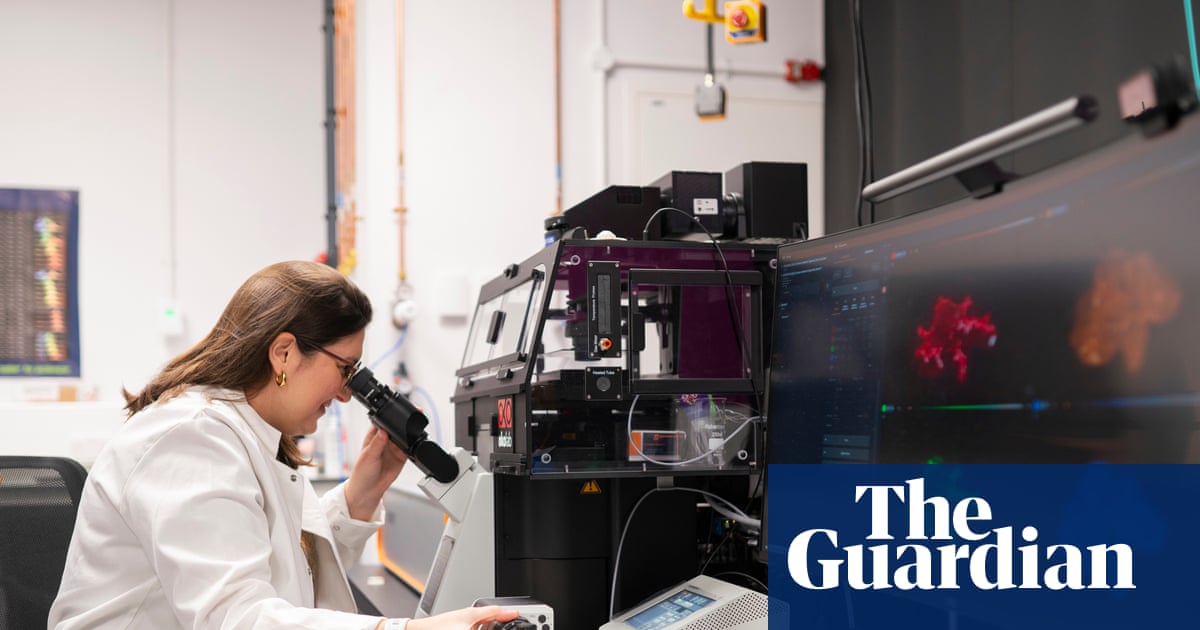
Development of multimodal multiscale imaging platform for high-content molecular profiling of mucosal healing to predict the risk of relapse in ulcerative colitis
NIH RePORTER

Development of multimodal multiscale imaging platform for high-content molecular profiling of mucosal healing to predict the risk of relapse in ulcerative colitis

Patients and clinicians struggle to predict relapse in ulcerative colitis because current endoscopic, histologic, and noninvasive biomarkers are imperfect. A tissue-based imaging and spatial-omics approach could identify...

Read Summary
Faecal multiplex PCR testing and its clinical utility in inflammatory bowel disease: a systematic review and meta-analysis
Frontline Gastroenterology

Faecal multiplex PCR testing and its clinical utility in inflammatory bowel disease: a systematic review and meta-analysis

Better detection of enteric infections during suspected IBD flares could help avoid unnecessary escalation of immunosuppressive therapy and guide appropriate antibiotic use. This review suggests MPCR finds more pathogens...

Read Summary
Connecting the Dots Between Pharmacokinetics, Inflammatory Biomarkers, and Mucosal Healing in Patients on Infliximab with Inflammatory Bowel Disease
Pharmaceutics

Connecting the Dots Between Pharmacokinetics, Inflammatory Biomarkers, and Mucosal Healing in Patients on Infliximab with Inflammatory Bowel Disease

If true, using infliximab drug-level modeling plus routine blood tests could help predict who has mucosal healing without immediate endoscopy, potentially reducing invasive procedures and improving monitoring for people...

Read Summary
Integrated Multi-Omics Reveals Complementary Luminal and Mucosal Host–Microbiome Interactions Associated with Disease Activity and Phenotype in Paediatric Inflammatory Bowel Disease
Microorganisms

Integrated Multi-Omics Reveals Complementary Luminal and Mucosal Host–Microbiome Interactions Associated with Disease Activity and Phenotype in Paediatric Inflammatory Bowel Disease

The study shows that fecal (luminal) and mucosal microbiome and metabolite profiles capture different aspects of pediatric IBD—activity versus phenotype—so combined sampling may give a fuller picture for research and...

Read Summary