Evidence types

Systematic Review or Meta Analysis

Systematic review and meta-analysis articles covering combined evidence from multiple IBD studies. Research context emphasizes studies, trials, biomarkers, mechanisms, and emerging IBD science.

Page 3 of 7 · 298 articles

Unlocking the role of fungal peptide cytotoxin candidalysin in candidiasis and non-candidiasis diseases.
Biochimie

Unlocking the role of fungal peptide cytotoxin candidalysin in candidiasis and non-candidiasis diseases.

Candidalysin is a toxin from Candida albicans that can damage epithelial barriers and trigger inflammation. If candidalysin contributes to intestinal inflammation or barrier dysfunction, it could help explain fungal...


Read Summary
Probiotic drug interactions in ulcerative colitis: a microbiota and metabolite perspective
Frontiers in Microbiology

Probiotic drug interactions in ulcerative colitis: a microbiota and metabolite perspective

People with UC often use probiotics or microbiome-directed therapies alongside prescription drugs. Understanding probiotic–drug interactions could explain why individuals respond differently to IBD treatments and may...

Read Summary
Raising the Bar in Crohn's Disease: Is Transmural Healing Achievable?
Diagnostics (Basel, Switzerland)

Raising the Bar in Crohn's Disease: Is Transmural Healing Achievable?

Transmural healing may better reflect the full depth of inflammation in Crohn’s disease than mucosal healing alone and is associated with improved long-term outcomes in many studies. If validated and adopted, TH could...

Read Summary
Is There a Way to Break the Glass Ceiling in the Diagnosis and Treatment of Extraintestinal Manifestations (EIMs) in the Course of Inflammatory Bowel Diseases? A Comprehensive Review of Diagnosis, Pathophysiology, and Treatment of EIM
Journal of Clinical Medicine

Is There a Way to Break the Glass Ceiling in the Diagnosis and Treatment of Extraintestinal Manifestations (EIMs) in the Course of Inflammatory Bowel Diseases? A Comprehensive Review of Diagnosis, Pathophysiology, and Treatment of EIM

Extraintestinal manifestations (skin, joint, eye, liver) are common in IBD and can greatly affect quality of life; better recognition and coordinated care can speed diagnosis and improve outcomes.

Read Summary
Glutathione peroxidase in inflammatory bowel disease: From ferroptosis, immunity, and microbiota regulation to targeted nanomedicines.
Life sciences

Glutathione peroxidase in inflammatory bowel disease: From ferroptosis, immunity, and microbiota regulation to targeted nanomedicines.

GPX and selenium-related pathways may be important to how oxidative stress, ferroptosis, and the microbiome contribute to IBD. Understanding these mechanisms could guide future therapies.

Read Summary
Smartly engineered biomaterials drive immune remodeling: A new paradigm for precise treatment of inflammatory bowel disease.
International immunopharmacology

Smartly engineered biomaterials drive immune remodeling: A new paradigm for precise treatment of inflammatory bowel disease.

This paper outlines research strategies aiming to deliver drugs more precisely to inflamed gut tissue and to reshape immune-cell behavior — advances that could eventually lead to safer, more targeted IBD treatments. It’s...

Read Summary
Macrophage plasticity as a therapeutic target in inflammatory bowel disease: Immunomodulatory and regenerative strategies.
International immunopharmacology

Macrophage plasticity as a therapeutic target in inflammatory bowel disease: Immunomodulatory and regenerative strategies.

Macrophages are central regulators of intestinal inflammation and repair; understanding their diversity and how to modulate them could lead to new, more targeted treatments for Crohn's disease and ulcerative colitis.

Read Summary
Optimizing Endoscopic Assessment of Postoperative Crohn's Disease: A Scoping Review.
Digestive endoscopy : official journal of the Japan Gastroenterological Endoscopy Society

Optimizing Endoscopic Assessment of Postoperative Crohn's Disease: A Scoping Review.

Endoscopic scores guide detection and treatment of postoperative Crohn's recurrence; better scoring could change who gets earlier therapy and potentially prevent clinical or surgical relapse.

Read Summary
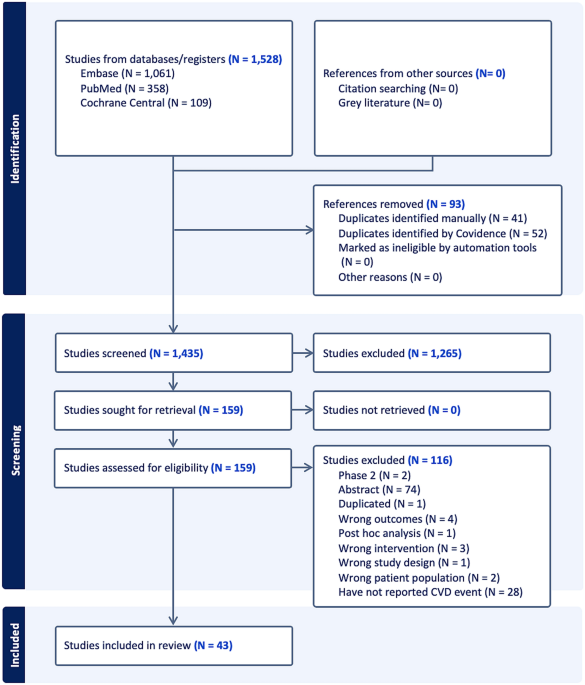
Major cardiovascular event risk of advanced therapies in inflammatory bowel diseases: systematic review and meta-analysis
Inflammation Research

Major cardiovascular event risk of advanced therapies in inflammatory bowel diseases: systematic review and meta-analysis

A pooled analysis of cardiovascular risk tied to advanced IBD therapies could affect treatment decisions and monitoring plans because some immune-targeted drugs have been linked to cardiovascular safety concerns in other...

Read Summary
Faecal multiplex PCR testing and its clinical utility in inflammatory bowel disease: a systematic review and meta-analysis
Frontline Gastroenterology

Faecal multiplex PCR testing and its clinical utility in inflammatory bowel disease: a systematic review and meta-analysis

Better detection of enteric infections during suspected IBD flares could help avoid unnecessary escalation of immunosuppressive therapy and guide appropriate antibiotic use. This review suggests MPCR finds more pathogens...

Read Summary
Nanomaterial-Based Strategies Targeting IL-1 Signalling in Inflammatory Bowel Disease: Therapeutic Applications and Mechanistic Insights.
Journal of inflammation research

Nanomaterial-Based Strategies Targeting IL-1 Signalling in Inflammatory Bowel Disease: Therapeutic Applications and Mechanistic Insights.

Targeting IL‑1 is a promising route to reduce gut inflammation in IBD, but existing IL‑1 drugs face delivery and stability challenges. Nanocarriers could improve how these agents reach inflamed intestinal tissue, which...

Read Summary
TL1A inhibitors in inflammatory bowel disease: A systematic review of phase 2 clinical trials.
Saudi journal of gastroenterology : official journal of the Saudi Gastroenterology Association

TL1A inhibitors in inflammatory bowel disease: A systematic review of phase 2 clinical trials.

Based on the title and source metadata, this appears to be a systematic review or meta analysis related to Inflammatory bowel disease and Research and clinical trials. The original article is from Saudi journal of...

Read Summary
Efficacy and tolerability of janus kinase inhibition strategies for moderate-to-severe Crohn's disease: A systematic review and bayesian network meta-analysis.
Therapeutic advances in gastroenterology

Efficacy and tolerability of janus kinase inhibition strategies for moderate-to-severe Crohn's disease: A systematic review and bayesian network meta-analysis.

The review directly compares randomized-trial evidence for JAK inhibitors in moderate-to-severe Crohn's disease and highlights which regimens (notably upadacitinib) showed the most consistent efficacy signals,...

Read Summary
Diagnostic accuracy of Neutrophil Gelatinase-Associated Lipocalin (NGAL) for inflammatory bowel disease: a systematic review and bivariate diagnostic meta-analysis
BMC Gastroenterology

Diagnostic accuracy of Neutrophil Gelatinase-Associated Lipocalin (NGAL) for inflammatory bowel disease: a systematic review and bivariate diagnostic meta-analysis

People with suspected or known IBD and their clinicians want accurate, noninvasive tests to detect inflammation. This review suggests NGAL may be sensitive for identifying IBD but existing data are limited and uncertain,...

Read Summary
From triggers to interfaces: polymer-stabilized nano-co-crystals for robust mesalazine delivery in UC.
Daru : journal of Faculty of Pharmacy, Tehran University of Medical Sciences

From triggers to interfaces: polymer-stabilized nano-co-crystals for robust mesalazine delivery in UC.

Ulcerative colitis changes the colonic environment in ways that can make current mesalazine formulations release unpredictably. New delivery approaches aimed at stabilising drug interfaces could lead to more consistent...

Read Summary
Efficacy and safety of tumor necrosis factor-α inhibitors and mesenchymal stem cells in the treatment of fistulizing Crohn’s disease: a systematic review and network meta-analysis
Frontiers in Immunology

Efficacy and safety of tumor necrosis factor-α inhibitors and mesenchymal stem cells in the treatment of fistulizing Crohn’s disease: a systematic review and network meta-analysis

This analysis directly addresses treatments commonly used for perianal fistulizing Crohn’s disease and compares biologic anti-TNF drugs with emerging mesenchymal stem cell therapy, information that could affect treatment...

Read Summary
Global research trends in enteric nervous system and gut microbiota: a bibliometric analysis (2005-2025).
Frontiers in cellular and infection microbiology

Global research trends in enteric nervous system and gut microbiota: a bibliometric analysis (2005-2025).

The ENS–gut microbiota field intersects with IBD research through shared mechanisms (neuroinflammation, neuro‑immune interactions) and potential microbiota‑based therapies, so mapping trends helps patients and clinicians...

Read Summary
Microplastics and inflammatory bowel disease: dissecting the evidence from observational links to potential causal mechanisms.
Intestinal research

Microplastics and inflammatory bowel disease: dissecting the evidence from observational links to potential causal mechanisms.

Microplastics are a widespread environmental exposure that this review links to biological changes relevant to IBD — intestinal barrier damage, microbiome shifts, and immune activation — so patients and clinicians may...

Read Summary
Gut microbiota-derived metabolites and IL-22 signaling in inflammatory bowel disease: context-dependent regulation of mucosal repair and inflammation.
Frontiers in immunology

Gut microbiota-derived metabolites and IL-22 signaling in inflammatory bowel disease: context-dependent regulation of mucosal repair and inflammation.

IL-22 links microbial metabolites to epithelial repair and inflammation; clarifying these pathways could inform future therapies or dietary/microbiome approaches to promote mucosal healing without worsening inflammation.

Read Summary
Inflammatory Bowel Disease and Interleukin-17 Inhibitors in Hidradenitis Suppurativa: A Systematic Review and Meta-Analysis.
JAMA dermatology

Inflammatory Bowel Disease and Interleukin-17 Inhibitors in Hidradenitis Suppurativa: A Systematic Review and Meta-Analysis.

Patients with hidradenitis suppurativa have higher baseline IBD risk, and IL-17 inhibitors are effective HS treatments. People with Crohn’s disease or ulcerative colitis (or those at risk) may worry whether these drugs...

Read Summary
Bridging the gut and mind: a narrative review of depression in Crohn's disease and emerging gut-brain axis therapies.
Frontiers in neuroscience

Bridging the gut and mind: a narrative review of depression in Crohn's disease and emerging gut-brain axis therapies.

Depression is common in Crohn’s disease and appears linked to immune and microbial signals from the gut. Understanding gut–brain mechanisms could improve how mood symptoms are detected and treated in people with IBD.

Read Summary
Emerging antimicrobial peptides in gastrointestinal disorders: Dual role in immunity and therapy.
World journal of gastrointestinal pharmacology and therapeutics

Emerging antimicrobial peptides in gastrointestinal disorders: Dual role in immunity and therapy.

AMPs are central to gut immune balance and are being explored as new therapies for IBD and related gut diseases. For people with Crohn’s or IBD, understanding AMPs helps explain research directions aimed at restoring...

Read Summary
From Preclinical phase of Crohn’s disease to Post-operative Recurrence: Shared Mechanisms and Potential Interventions
PubMed Central

From Preclinical phase of Crohn’s disease to Post-operative Recurrence: Shared Mechanisms and Potential Interventions

This review highlights shared biomarkers and mechanisms between early Crohn's disease and post-operative recurrence, which could improve prediction and lead to preventive strategies for recurrence after surgery.

Read Summary
Artificial intelligence for inflammatory bowel disease dysplasia detection: Current evidence and future directions
Artificial Intelligence in Gastrointestinal Endoscopy

Artificial intelligence for inflammatory bowel disease dysplasia detection: Current evidence and future directions

Dysplasia detection during colonoscopy is central to preventing colorectal cancer in people with IBD. AI tools could help, but current models often fail in inflamed or IBD-specific settings, so this review outlines...

Read Summary
Glucagon like peptide 1 receptor agonists in patients with inflammatory bowel disease: safety, clinical effectiveness and anti-inflammatory mechanisms.
Frontiers in gastroenterology (Lausanne, Switzerland)

Glucagon like peptide 1 receptor agonists in patients with inflammatory bowel disease: safety, clinical effectiveness and anti-inflammatory mechanisms.

Many people with IBD also have overweight or obesity; GLP-1 receptor agonists are being used for weight loss and may affect inflammation and IBD outcomes. This review summarizes current evidence on safety, effectiveness,...

Read Summary
Pregnancy safety of biologics in inflammatory bowel disease: A systematic review and network meta-analysis.
Therapeutic advances in gastroenterology

Pregnancy safety of biologics in inflammatory bowel disease: A systematic review and network meta-analysis.

People with IBD often need biologic therapy during their reproductive years. This review compiles comparative evidence about pregnancy risks with different biologics to inform decisions about continuing or switching...

Read Summary
FUT2-mediated intestinal fucosylation: a master regulator of host-microbiota symbiosis in health and disease.
Frontiers in microbiology

FUT2-mediated intestinal fucosylation: a master regulator of host-microbiota symbiosis in health and disease.

FUT2-dependent intestinal fucosylation helps shape which gut microbes thrive and how the mucosa resists pathogens. For people with IBD, differences in FUT2 function and altered fucosylation may contribute to microbiome...

Read Summary
Blood Bile Acids for Inflammatory Bowel Disease Diagnosis and Disease Activity Assessment: A Metabolomics Meta-Analysis.
Journal of proteome research

Blood Bile Acids for Inflammatory Bowel Disease Diagnosis and Disease Activity Assessment: A Metabolomics Meta-Analysis.

If blood bile acid patterns are reproducibly different in IBD and track with disease activity, they could become noninvasive biomarkers to help diagnose IBD or monitor flares. That would be useful for patients and...

Read Summary
Clinical features and biomarkers associated with ulcerative colitis: A systematic review and meta-analysis
World Journal of Gastroenterology

Clinical features and biomarkers associated with ulcerative colitis: A systematic review and meta-analysis

Knowing which symptoms and non-invasive biomarkers most strongly associate with UC can help patients and clinicians decide who should be prioritized for diagnostic endoscopy and for monitoring disease activity.

Read Summary
Switching Between Anti-TNFs and Other Biologic Drugs in Paediatric Inflammatory Bowel Disease: A Narrative Review and Practical Clinical Guide.
Journal of inflammation research

Switching Between Anti-TNFs and Other Biologic Drugs in Paediatric Inflammatory Bowel Disease: A Narrative Review and Practical Clinical Guide.

Switching biologics is a frequent and consequential decision in children with IBD; using TDM and a mechanism‑based approach can help choose whether to optimize, switch within class, or change drug class.

Read Summary
Emerging CAR-Treg and regulatory T cell therapies for inflammatory bowel diseases: a systematic review of a new era of treatment
Frontiers in Immunology

Emerging CAR-Treg and regulatory T cell therapies for inflammatory bowel diseases: a systematic review of a new era of treatment

CAR-Treg and Treg-cell therapies aim to specifically suppress harmful gut inflammation and could offer a new treatment option for people whose IBD does not respond to current drugs. Right now this is early-stage work —...

Read Summary
Protease-serpin-microbiome interactions in inflammatory bowel disease: toward integrated biomarkers of gut health.
Gut microbes

Protease-serpin-microbiome interactions in inflammatory bowel disease: toward integrated biomarkers of gut health.

Protease and serpin activity affect the gut barrier, immunity, and microbial ecology—processes central to IBD. Integrating these pathways could help identify biomarkers or targets that explain why IBD varies between...

Read Summary
Microbiome-Derived Tryptophan Metabolites Regulate AhR Signaling to Restore Epithelial Barrier Integrity in Inflammatory Bowel Disease.
MicrobiologyOpen

Microbiome-Derived Tryptophan Metabolites Regulate AhR Signaling to Restore Epithelial Barrier Integrity in Inflammatory Bowel Disease.

Microbial tryptophan metabolites may help restore the intestinal barrier via AhR signaling, a process that could reduce inflammation and symptom-driving permeability in IBD. Understanding this pathway could point to...

Read Summary
Ultrasound criteria for transmural healing and response in Crohn’s disease: a systematic review of definitions and thresholds
PubMed Central

Ultrasound criteria for transmural healing and response in Crohn’s disease: a systematic review of definitions and thresholds

Clear, reproducible ultrasound definitions for transmural healing and response could help clinicians track deeper intestinal healing beyond mucosal assessment and allow trials to use consistent imaging endpoints.

Read Summary
Regulated cell death in autoimmune diseases: molecular mechanisms and therapeutic opportunities.
Molecular biology reports

Regulated cell death in autoimmune diseases: molecular mechanisms and therapeutic opportunities.

If you have IBD, emerging forms of regulated cell death may help explain ongoing intestinal inflammation and could become targets for future tests or treatments. This review highlights multiple RCD pathways linked to...

Read Summary
Novel Therapeutic Strategies and Biomarkers in the Management of Inflammatory Bowel Disease: A Narrative Review.
Cureus

Novel Therapeutic Strategies and Biomarkers in the Management of Inflammatory Bowel Disease: A Narrative Review.

This narrative review surveys novel biomarkers and therapeutic strategies for adult IBD, topics that could affect diagnosis, monitoring, and future treatment options for people with Crohn's disease or ulcerative colitis.

Read Summary
Microbiome Therapies in Inflammatory Bowel Disease, Diabetes and Obesity: From Mechanistic Insights to Clinical Translation.
Cardiovascular & hematological agents in medicinal chemistry

Microbiome Therapies in Inflammatory Bowel Disease, Diabetes and Obesity: From Mechanistic Insights to Clinical Translation.

Microbiome-based treatments target inflammation and microbial balance — central issues in IBD — and could offer new therapeutic options. This review collates clinical and mechanistic evidence but warns that results are...

Read Summary
Inflammatory and Immune Pathways Driving Tumor Necrosis Factor Inhibitor Resistance in Ulcerative Colitis.
Journal of inflammation research

Inflammatory and Immune Pathways Driving Tumor Necrosis Factor Inhibitor Resistance in Ulcerative Colitis.

If you or someone you care for is not responding to anti‑TNF drugs for ulcerative colitis, this review explains biological reasons why that may happen and points toward research directions that could lead to better tests...

Read Summary
Expression Profiles, Biological Functions and Clinical Significance of Circular RNAs in Inflammatory Bowel Disease.
Journal of inflammation research

Expression Profiles, Biological Functions and Clinical Significance of Circular RNAs in Inflammatory Bowel Disease.

Researchers are investigating circRNAs as potential biomarkers and therapeutic targets in IBD because they may help explain disease mechanisms and lead to better diagnostics or treatments in the future.

Read Summary
Early ileocaecal resection versus biologics therapy for localized Crohn disease: A systematic review and meta-analysis.
Colorectal disease : the official journal of the Association of Coloproctology of Great Britain and Ireland

Early ileocaecal resection versus biologics therapy for localized Crohn disease: A systematic review and meta-analysis.

This review directly compares surgery-first versus biologic-first strategies for localized ileocaecal Crohn's disease and suggests early resection can lower later treatment needs and leave some patients off medication,...

Read Summary
Lactiplantibacillus plantarum as a multifunctional probiotic for inflammatory bowel disease: Mechanisms, synbiotic strategies, and delivery systems.
Synthetic and systems biotechnology

Lactiplantibacillus plantarum as a multifunctional probiotic for inflammatory bowel disease: Mechanisms, synbiotic strategies, and delivery systems.

This review highlights probiotic and synbiotic approaches centered on L. plantarum that aim to rebalance gut microbiota and support the intestinal barrier—areas of direct interest to people with IBD seeking adjunctive,...

Read Summary
The use of digital health tools in the management of inflammatory bowel disease: a systematic review.
Minerva gastroenterology

The use of digital health tools in the management of inflammatory bowel disease: a systematic review.

Digital health tools could offer more continuous monitoring and self-management support for people with IBD, potentially helping detect flares earlier and improve quality of life. This review collects existing evidence...

Read Summary
Fatty acid-binding protein 2 in inflammatory bowel disease: mechanistic insights and translational perspectives.
Frontiers in medicine

Fatty acid-binding protein 2 in inflammatory bowel disease: mechanistic insights and translational perspectives.

FABP2 is presented as a sensitive biomarker of intestinal mucosal injury and a possible contributor to IBD mechanisms; if validated, it could improve disease monitoring and suggest new therapeutic targets.

Read Summary