RNF213 marks a regulatory T-cell subset associated with ulcerative colitis.
Identifying an RNF213-marked Treg subset may help researchers understand immune mechanisms active in UC and could lead to new biomarker or therapeutic targets in the future.
Condition
Broader IBD news covering Crohn's disease, ulcerative colitis, research, treatments, monitoring, and patient care.
Page 59 of 88 · 4195 articles
Identifying an RNF213-marked Treg subset may help researchers understand immune mechanisms active in UC and could lead to new biomarker or therapeutic targets in the future.
The review connects molecular cell-cycle changes to the progression from chronic IBD to colorectal cancer, pointing to pathways and cell-cycle regulators that could become prevention or treatment targets for...
Remote text monitoring is appealing as a low-cost way to support people with IBD on biologics, but this trial suggests it may not boost quality of life or adherence over 4 months when adherence is already high. Patients...
This study describes a new formulation of baicalein that improved drug solubility and oral absorption and showed benefit in a mouse model of ulcerative colitis—early-stage research that could inform future...
Improved methods for profiling mucosa-associated microbiota from routine archival FFPE biopsies could expand research using stored pediatric gut samples, helping identify microbiome features linked to Crohn’s disease and...
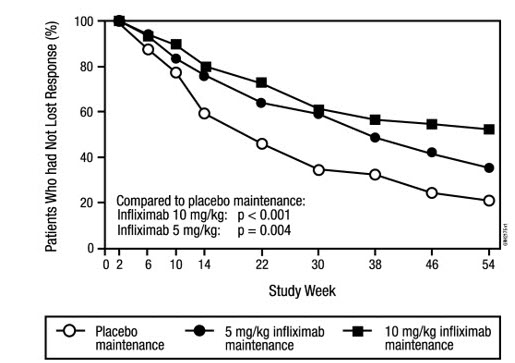
This study suggests a specific gut microbe might reduce gut inflammation in a mouse colitis model and may boost the benefit of infliximab, which could point toward microbiota‑based adjuncts to current IBD therapies.
Patients and clinicians often face primary non-response to anti‑TNF therapy. Identifying reproducible mucosal gene-expression patterns linked to non-response helps explain biological differences between responders and...
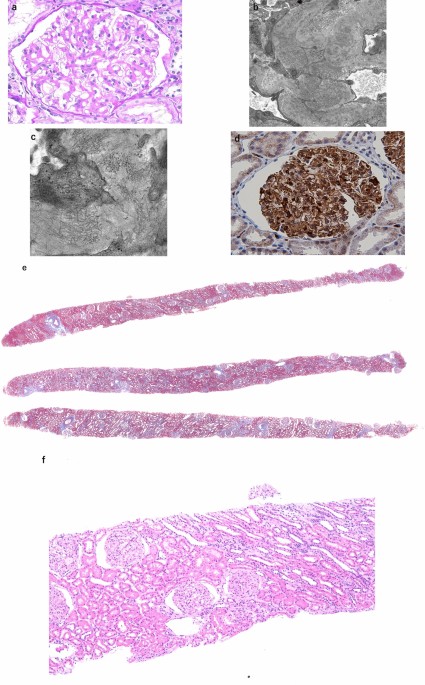
This report links a rare kidney disease (FGN) with ulcerative colitis in a young adult and raises atypical familial Mediterranean fever as a possible underlying autoinflammatory cause; recognizing this could change...
This preclinical study reports that an extract of Anacyclus pyrethrum reduced colitis signs in a mouse DSS model and was linked to improved intestinal barrier markers, lower innate immune receptor expression, changes in...
People with IBD (including children) often have damaged gut barriers and altered microbiomes that can worsen inflammation and metabolic health. Dietary and nutritional approaches discussed here may help reduce...
GIB can present like Crohn's disease or appendicitis and lead to delayed diagnosis, repeated surgeries, and incorrect treatments. Recognizing this rare infection is important for people with unexplained,...
This study proposes a specific gene (PREX1) and related cytoskeletal pathways that may help explain epithelial brush-border and microvillus damage seen in IBD. Understanding these mechanisms could eventually inform new...
Researchers are exploring plant polyphenols and new oral delivery systems that might reduce gut inflammation and modify microbiota — findings in mice suggest potential but are not directly applicable to patients yet.
Label updates for AVSOLA affect people with Crohn’s disease and ulcerative colitis because they summarize approved uses, dosing, and important safety warnings (infection, TB, hepatitis B, and lymphoma risk) that guide...
Patients and clinicians managing ulcerative colitis in India may have greater access to an effective oral treatment (tofacitinib) that can reduce steroid dependence and is available as lower-cost generics. This could...
Patients and clinicians using vedolizumab for ulcerative colitis may expect early improvement, but a lack of remission at week 2 does not reliably predict long-term failure. Clear predictive metrics are needed before...
A nationwide clinician survey identifies major variation in how acute severe ulcerative colitis is diagnosed, monitored, and when rescue therapy or surgery is used — differences that can affect patient outcomes and...
Noninvasive stool markers that track endoscopic inflammation could reduce the need for frequent pediatric endoscopies, easing burden and risk for children with IBD. Strong correlation with endoscopy suggests these tests...
This survey shows IUS is increasingly recognized but underutilized in China due to limited training and varied perceptions across specialties; patients generally like IUS but many have safety concerns. Addressing...
If you have IBD and are taking or considering a GLP‑1 drug for obesity or diabetes, this large claims-based study did not find that those drugs lowered the risk of IBD relapse — so they shouldn’t be expected to improve...
High and rising out-of-pocket costs can force people with Crohn’s disease to worry about medical debt, skip care, or make major life changes. Policy choices about insurance coverage (like Medicaid expansion) can...
A new bispecific antibody program (TL1A x IL-23p19) advancing toward patient trials could expand treatment options for people with ulcerative colitis and Crohn’s disease if later-stage trials confirm safety and efficacy....
The study identifies berberine as a compound that reduced epithelial pyroptosis and improved disease markers in a mouse model of bacterial colitis, suggesting a possible new mechanism-target for colitis therapies. This...
Fear of movement was substantially more common and often more severe in people with Crohn’s disease in this study, which could act as a barrier to exercise and rehabilitation. Addressing kinesiophobia may help improve...
If biologic availability, infusion capacity, or therapeutic drug monitoring are limited where you live, oral JAK inhibitors could offer a practical, effective alternative for moderate‑to‑severe IBD, according to this...
This abstract reports that etrasimod improved multiple measures of disease activity versus placebo in patients who had inadequate response to conventional UC therapies, indicating it may be a useful first-line advanced...
A broad comparison of many maintenance therapies helps patients and clinicians understand which drugs have trial evidence for preventing relapse or loss of response in Crohn's disease. The review highlights adalimumab,...
The study describes a new investigational bispecific antibody that reduced T-cell–driven inflammation in lab tests and a mouse colitis model, a potential new therapeutic strategy relevant to IBD research and future drug...
The work links STAT4 — a gene locus associated with IBD — to Th17 pathogenic behavior and suppression of the anti-inflammatory cytokine IL-10, offering a possible mechanism by which STAT4 variants could worsen gut...
The study suggests a new experimental compound (7-KC delivered in mβCD) reduced colitis severity in an acute mouse model, which could inform early-stage therapeutic research targeting immune cell membrane properties.
People with IBD (including those on TNF inhibitors) may benefit from research that explains why some patients don’t respond to anti-TNF drugs and that points to new biologic targets. Understanding cell types and...
This review addresses cancer risk tied to IBD treatments, a common and important concern for people on long-term immunosuppression or advanced therapies.
If local complement Factor B helps the gut heal, it could change how researchers think about targeting complement in IBD — suggesting local regulation rather than systemic inhibition. That’s important because complement...
Spatial, high-plex mapping of immune cells in the colon helps reveal how immune cells and stromal cells are organized in IBD versus normal tissue. That information could help researchers identify new biomarkers or...
The abstract suggests a new AhR-targeting drug candidate, EQ504, may more strongly drive epithelial repair and barrier-related gene changes in lab models than an existing clinical AhR agonist, which could be relevant to...
People with pediatric‑onset Crohn’s disease on long‑term thiopurines may be at risk for severe EBV‑related complications like HLH; recognizing HLH early can be lifesaving. The case supports considering EBV screening...
Cure8 could only read part of this source from Intestinal Research, so this card uses cautious topic tags instead of a full summary. It is tagged for Inflammatory bowel disease, Upadacitinib, and JAK inhibitor.
Cure8 could only read part of this source from Intestinal Research, so this card uses cautious topic tags instead of a full summary. It is tagged for Inflammatory bowel disease and Medications.
Pregnancy increases VTE risk, and people with IBD have additional thrombotic risk—understanding when to use thromboprophylaxis affects maternal safety. The review highlights uncertainty about applying Western-derived...
Caldera’s funding and Nasdaq listing mean the company can run phase 2 trials in ulcerative colitis and Crohn’s disease of a bispecific drug that targets two immune pathways. If successful, that approach could change...
The trial explores a new way to boost regulatory T cells using low-dose IL-2, which could offer an alternative mechanism for people with Crohn's disease who haven't responded to existing therapies. It also links immune...
Anti-drug antibodies can make anti-TNF biologics stop working for people with Crohn’s disease. This trial tests a simple, short antibiotic course given before starting anti-TNF therapy to see if it lowers antibody...
The study could improve prediction of who among first-degree relatives will develop Crohn's disease by combining blood biomarkers and lifestyle data, which may help earlier detection or targeted monitoring.
The trial tests a palatable elemental diet (mBIOTA) as a non-drug approach for treating outpatient IBD flares, which could reduce reliance on steroids and other medications if shown effective and tolerable.
The study identifies TRPM5 in CD4 T cells as a modulator of T cell activation and intestinal inflammation in a mouse colitis model, which could help researchers exploring new immune-pathway targets for IBD.
The paper suggests that HRQoL and family functioning may be similar across disease types and common treatment approaches in children with IBD, but emotional health and parental worry remain areas needing attention.
Depressive symptoms are common in IBD and can worsen quality of life and disease management; non-drug options that may improve mood are especially relevant for patients seeking adjunctive or accessible therapies.
Cure8 could only read part of this source from newsbytesapp.com, so this card uses cautious topic tags instead of a full summary. It is tagged for Crohn's disease, Ulcerative colitis, and Inflammatory bowel disease.