Researchers are testing whether IL-22 — a cytokine known to help repair gut and airway lining — could protect or heal GI tissues after SARS‑CoV‑2 infection. If true, this could point to therapies relevant to people with...
This funded NIH project investigates how EAEC and AIEC bacteria might drive intestinal inflammation by degrading MUC3A/MUC4 and disrupting receptor tyrosine kinase signaling—mechanisms that could underlie...
This pilot tests whether some patients with acute severe ulcerative colitis could avoid hospitalization by using early oral JAK inhibitor therapy plus steroids with close remote monitoring — a change that could reduce...
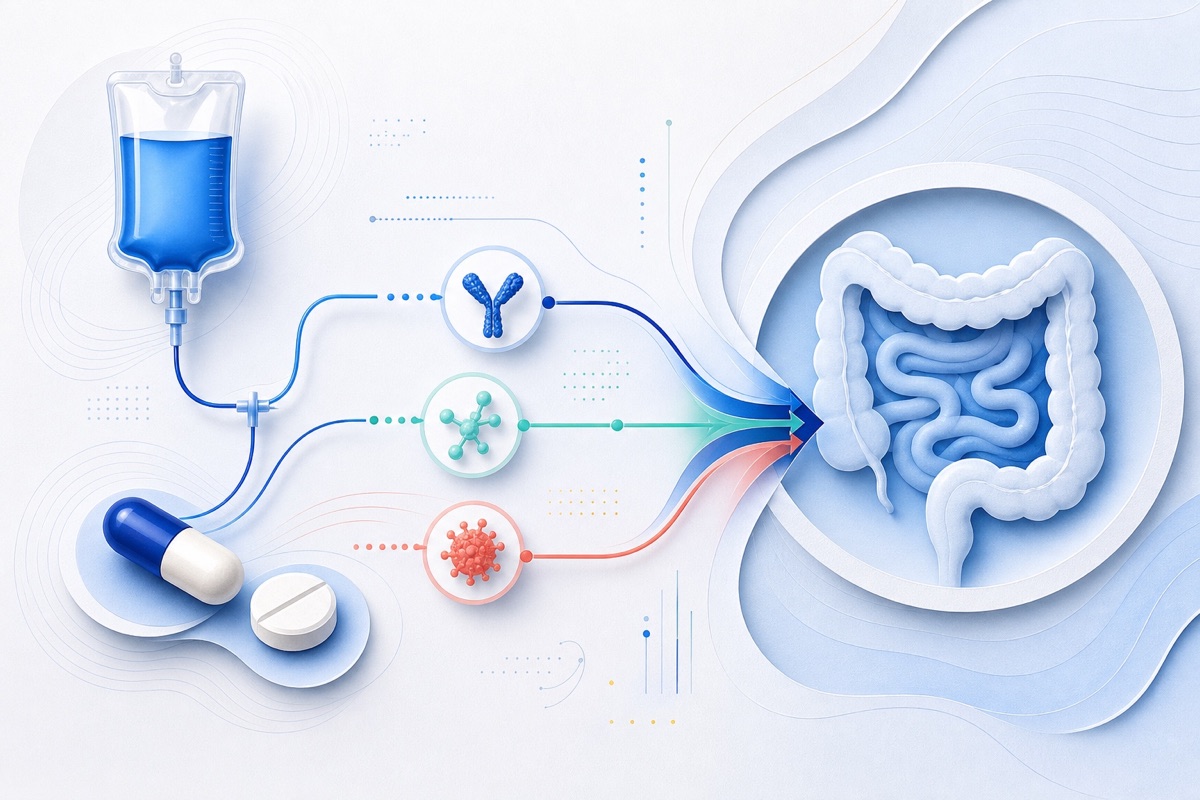
If successful, this approach could lower costs and simplify storage/transport of an established IBD antibody (adalimumab) and enable oral delivery, which would be relevant to people with Crohn’s disease or ulcerative...
New high-resolution, multilayer imaging tools can reveal how immune cells, epithelium, and enteric nerves interact in the intestine—processes central to IBD, colorectal cancer risk, and gut-brain disorders.
Researchers are exploring whether transferring younger gut microbiomes could slow aging and prevent age-related diseases. If validated, the work could point to microbiome-based therapies that affect systemic health,...
Researchers are using a new MRI-based index (ANDI) to look for early brain changes linked to Parkinson’s disease and dementia in groups at higher risk, including people with inflammatory bowel disease. If successful, the...
A simple home test for urinary oxalate and Ox/Crea ratio could make monitoring more practical than 24-hour urine collections, helping prevent stone recurrence and allowing earlier treatment adjustments for people at...
Because it describes a severe new Crohn’s disease case temporally linked to COVID‑19, patients and clinicians should be aware that persistent or worsening GI symptoms after SARS‑CoV‑2 infection may merit investigation;...
This study suggests brain glymphatic function — a fluid-clearance system — may be altered in people with Crohn’s disease and could relate to inflammation and common neuropsychiatric symptoms like fatigue, anxiety,...
A company acquisition shifts R&D focus toward fibrosis and brings a Crohn’s‑targeted anti‑fibrotic (RXC008) into a new corporate owner, which could influence development speed and resources for therapies aimed at...
Validated, language‑adapted questionnaires let clinicians and researchers measure disease control and quality of life reliably. A Persian IBDcQ-8 helps include Persian‑speaking patients in clinical care and research and...
IgA vasculitis can be a rare adverse effect of anti-TNF therapy like infliximab and may mimic Crohn’s relapse, so recognizing it can prevent incorrect escalation of IBD treatment.
Many people on ustekinumab who lose response wonder whether increasing dosing frequency helps. This prospective study suggests that empiric intensification to every 4 or 6 weeks raised drug levels and was linked with...
People with IBD may be interested because probiotics are being explored as a safer, non-immunosuppressive approach to help modulate gut microbiota and reduce inflammation, but effective oral delivery remains a key...
The study reports a targeted nanoparticle designed to deliver celastrol selectively to inflamed intestinal tissue and colorectal tumors, which could—if translated successfully—address limitations of oral celastrol and...
Opportunistic infections like CMV can closely mimic IBD symptoms and may be unmasked or worsened by powerful immunomodulatory drugs. Missing an underlying diagnosis such as advanced HIV can lead to serious harm but is...
Highlights variation in physician confidence to start biologics in Pakistan and links between training exposure and use of advanced therapies; points to access, cost, and infection-screening as practical barriers that...
This research suggests a new, preclinical microbiome- and metabolite-based pathway (APA-1 → THDCA → TGR5/cAMP/PKA → NLRP3) that reduced inflammation in a mouse model of ulcerative colitis, which could guide future...
An organoid platform that models epithelial injury and recovery could help researchers test treatments and biomarkers more precisely and at scale, accelerating work relevant to Crohn’s disease and other IBDs.
Patients with ulcerative colitis and PSC face higher risk of pouch inflammation after IPAA. The study reports fewer pouchitis events among the small group who received antibiotics or immunosuppression, which could...
Extraintestinal symptoms such as fatigue and joint pain significantly affect quality of life in Crohn's disease. This review suggests ustekinumab may help reduce fatigue and arthritis/arthralgia more than TNF antagonists...
IBD increases risk of osteoporosis; identifying blood proteins that predict later bone loss could help flag higher-risk patients and reveal biological links between gut inflammation and bone health.
The study suggests a new probiotic strategy that targets both microbial H2S production and host detoxification pathways — processes implicated in some IBD-related dysbiosis — which could inform future microbiome-directed...
The paper reports that hospitalized people with IBD have a higher risk of heparin-induced thrombocytopenia (HIT) and that HIT is associated with worse outcomes (higher mortality, longer stays, higher costs, and more...
The study identifies a cellular mechanism (JAK1-STAT6 pathway) by which upadacitinib can lower IL13RA2 — a molecule tied to inflammation and anti-TNF resistance — which could help explain how JAK inhibitors work in IBD...
If confirmed, the results suggest early-life exposures that perturb the gut microbiome may influence later risk of spondyloarthritis, which could be relevant for parents and clinicians weighing risks and benefits of...
Women with Crohn’s may experience menstrual changes, fertility concerns when disease is active, iron deficiency, and pain during sex—issues that can affect quality of life and reproductive planning.
This preclinical work suggests a new mechanism (NEK7 inhibition) and a colon-targeted formulation of an existing drug could reduce inflammatory cell death in IBD models—an approach that might lead to future therapies...
Many people with IBD try dietary changes to manage symptoms. This review summarizes what published adult studies report and points toward whole-food and Mediterranean-style patterns as commonly supported approaches.
Cure8 found this source from Expert review of gastroenterology & hepatology, but the page could not be read reliably yet. It is tagged for Inflammatory bowel disease and Research and clinical trials. Open the original...
Based on the title and source metadata, this appears to be a patient education related to Crohn's disease, Inflammatory bowel disease, and Community and awareness. The original article is from msn.com.
A local Pediatric IBD Day helps children, families and care teams connect, learn practical skills for daily life with IBD, and reduces the burden of travelling for specialized pediatric care. For families in...
If confirmed, a gut-derived strain of Lancefieldella parvula that rises with local inflammation could become a mucosal biomarker to help track disease severity or study inflammation mechanisms in IBD.
Hepatitis E can cause elevated liver enzymes in people with IBD on biologics or small molecules. This series found infections were acute and resolved without chronic infection, and advanced therapy could be restarted....
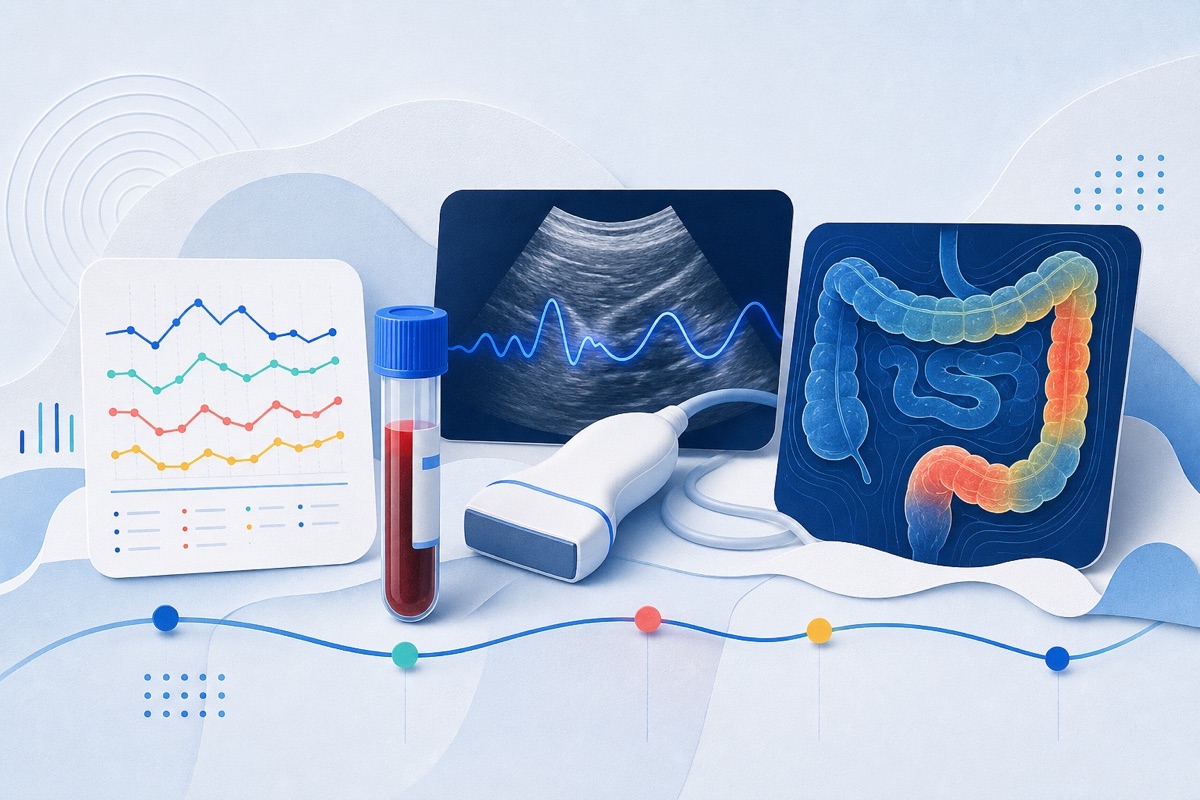
If intestinal ultrasound shows mild isolated hyperemia even with normal bowel wall thickness, this study found a higher chance of treatment changes, steroid use, surgery, or hospitalization within a year — information...
This study highlights changing patterns of IBD presentation and treatment over 26 years in a large Hispanic cohort, which may affect outcomes and access-to-care discussions for Hispanic patients.
Based on the title and source metadata, this appears to be a clinical study related to Crohn's disease, Inflammatory bowel disease, and Risankizumab. The original article is from Journal of Crohn's & colitis.
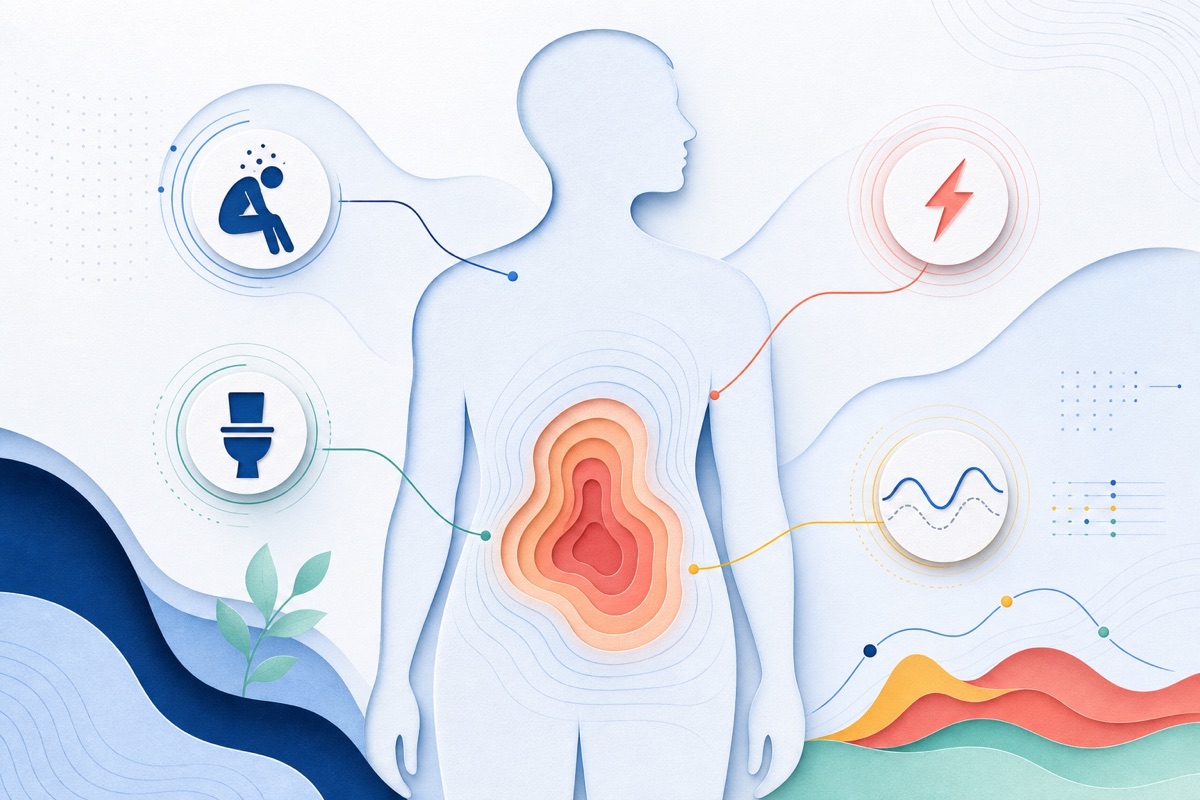
Fatigue is common and disabling for people with IBD; this study shows that factors beyond intestinal inflammation—especially central sensitization and psychological symptoms—explain much of fatigue. That means treating...
This study suggests heated-tobacco products (and possibly e-cigarettes) may increase the risk of endoscopic recurrence after ileocolic resection for Crohn’s disease, which could affect postoperative outcomes and...
This study links genetic risk variants to how intestinal epithelial cells respond and regenerate, which is directly relevant to IBD where barrier function and inflammation matter.
Many people with IBD try marijuana to ease symptoms. This survey suggests users often report symptom relief, improved quality of life, and less opioid use, which are directly relevant to daily functioning and symptom...
Based on the title and source metadata, this appears to be a clinical study related to Ulcerative colitis, Inflammatory bowel disease, and Infliximab. The original article is from Translational gastroenterology and...
For people hospitalized with acute severe ulcerative colitis, starting a JAK inhibitor together with IV steroids right away (rather than waiting for steroids to fail) could potentially control inflammation sooner and...
This study identifies FUT8, an enzyme that adds core fucose to N-glycans, as a possible new target to reduce pro-inflammatory T-cell responses in IBD. For people with IBD, new mechanisms in preclinical research may...
1) People with IBD are known to have higher cardiovascular risk; this study directly assessed subclinical carotid atherosclerosis to see if plaque burden explains that risk.
Ustekinumab is already approved for moderate-to-severe Crohn's disease; this real-world study reports encouraging longer-term clinical, biological, and endoscopic outcomes up to 96 weeks and suggests good treatment...