Research topics

Microbiome

Microbiome articles covering gut bacteria, microbial changes, microbiota research, and IBD disease mechanisms.

Page 5 of 12 · 570 articles

Nucleotide-binding oligomerization domain 2-independent colonization by Turicimonas muris induced by high-fat diet protects against dextran sodium sulfate-induced colitis
Clinical and Experimental Immunology

Nucleotide-binding oligomerization domain 2-independent colonization by Turicimonas muris induced by high-fat diet protects against dextran sodium sulfate-induced colitis

This study identifies a specific gut microbe (Turicimonas muris) and an immune pathway link by which a high-fat diet reduced experimental colitis severity in mice, suggesting diet–microbiome interactions can strongly...
Read Summary
Adhesion-Enhanced Engineered Probiotic for Prolonged Intestinal Retention and Calprotectin-Responsive IBD Therapy.
Advanced science (Weinheim, Baden-Wurttemberg, Germany)

Adhesion-Enhanced Engineered Probiotic for Prolonged Intestinal Retention and Calprotectin-Responsive IBD Therapy.

This study describes a programmable, inflammation-responsive engineered probiotic aimed at targeting IBD flares by sensing calprotectin and delivering antioxidant and epithelial-protective factors — a concept that could...

Read Summary
Exploring the link between rural aerobiomes and the geographic variability seen in inflammatory bowel disease: mechanistic insights from a novel animal model
International Journal of Colorectal Disease

Exploring the link between rural aerobiomes and the geographic variability seen in inflammatory bowel disease: mechanistic insights from a novel animal model

This study suggests airborne, soil-associated microbes can change the gut microbiome and reduce colitis severity in mice — a possible explanation for lower ulcerative colitis rates in rural areas. If similar effects...

Read Summary
Lacticaseibacillus rhamnosus -Derived Extracellular Vesicles Alleviate Colitis via PPAR Signaling and the Gut Microbiota–Metabolite Axis
Journal of Agricultural and Food Chemistry

Lacticaseibacillus rhamnosus -Derived Extracellular Vesicles Alleviate Colitis via PPAR Signaling and the Gut Microbiota–Metabolite Axis

This preclinical study suggests probiotic-derived extracellular vesicles may reduce intestinal inflammation and restore barrier function via PPARγ signaling and changes to the gut microbiome—an early step toward...

Read Summary
Global research trends in enteric nervous system and gut microbiota: a bibliometric analysis (2005-2025).
Frontiers in cellular and infection microbiology

Global research trends in enteric nervous system and gut microbiota: a bibliometric analysis (2005-2025).

The ENS–gut microbiota field intersects with IBD research through shared mechanisms (neuroinflammation, neuro‑immune interactions) and potential microbiota‑based therapies, so mapping trends helps patients and clinicians...

Read Summary
Traditional Chinese Medicine-derived berberine-loaded herbzyme ameliorates ulcerative colitis by regulating IL10 and TMAO.
Materials today. Bio

Traditional Chinese Medicine-derived berberine-loaded herbzyme ameliorates ulcerative colitis by regulating IL10 and TMAO.

The study describes a new berberine-containing nanocomplex that reduced inflammation and improved gut barrier function in cell, mouse, and organoid models of ulcerative colitis, suggesting a potential new direction for...

Read Summary
Microplastics and inflammatory bowel disease: dissecting the evidence from observational links to potential causal mechanisms.
Intestinal research

Microplastics and inflammatory bowel disease: dissecting the evidence from observational links to potential causal mechanisms.

Microplastics are a widespread environmental exposure that this review links to biological changes relevant to IBD — intestinal barrier damage, microbiome shifts, and immune activation — so patients and clinicians may...

Read Summary
Fecal microbiota transplantation for the decolonization of mucosal adherent-invasive Escherichia coli in Crohn’s disease: an open-label pilot study
Nature Communications

Fecal microbiota transplantation for the decolonization of mucosal adherent-invasive Escherichia coli in Crohn’s disease: an open-label pilot study

The study suggests FMT can clear mucosal adherent‑invasive E. coli (AIEC) in some people with Crohn’s disease and alters mucosal microbiome features linked to inflammation, which could be relevant to microbiome‑targeted...

Read Summary
Intertriginous/Periorificial Dermatoses in Patients With IBD on Anti-TNFα: Relative Abundance of Staphylococcus Aureus Within the Lesion Microbiota and Clinical Correlation (micSPIDER).
ClinicalTrials.gov

Intertriginous/Periorificial Dermatoses in Patients With IBD on Anti-TNFα: Relative Abundance of Staphylococcus Aureus Within the Lesion Microbiota and Clinical Correlation (micSPIDER).

People with IBD who are treated with anti‑TNFα drugs commonly develop inflammatory or infectious skin problems. This study aims to clarify whether Staphylococcus aureus is more abundant in those lesions and whether its...

Read Summary
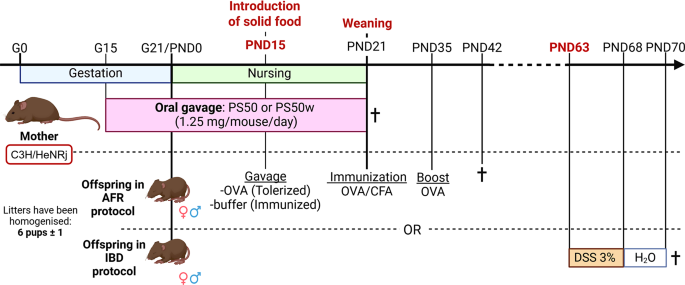
Perinatal exposure to nano-polystyrene: deleterious imprinting on inflammatory bowel diseases
Particle and Fibre Toxicology

Perinatal exposure to nano-polystyrene: deleterious imprinting on inflammatory bowel diseases

The study raises the possibility that perinatal exposure to nanoplastics could have lasting, sex-specific effects on gut health and make adult offspring more susceptible to intestinal inflammation. This may be relevant...

Read Summary
Gut microbiota-derived metabolites and IL-22 signaling in inflammatory bowel disease: context-dependent regulation of mucosal repair and inflammation.
Frontiers in immunology

Gut microbiota-derived metabolites and IL-22 signaling in inflammatory bowel disease: context-dependent regulation of mucosal repair and inflammation.

IL-22 links microbial metabolites to epithelial repair and inflammation; clarifying these pathways could inform future therapies or dietary/microbiome approaches to promote mucosal healing without worsening inflammation.

Read Summary
Probiotic-Derived Extracellular Vesicles as Potential Nano-Immunotherapeutic Platforms in IBD: A Clinician's Perspective.
International journal of nanomedicine

Probiotic-Derived Extracellular Vesicles as Potential Nano-Immunotherapeutic Platforms in IBD: A Clinician's Perspective.

This review highlights a new, non-live microbiome-based therapy approach (probiotic-derived EVs) that could in future modulate gut immunity and barrier function without using live microbes. For people with IBD, such...

Read Summary
Blautia wexlerae ameliorates ulcerative colitis via metabolic remodeling of the gut microbiota.
Cell reports

Blautia wexlerae ameliorates ulcerative colitis via metabolic remodeling of the gut microbiota.

The study links a specific gut microbe and its metabolite to reduced inflammation and improved barrier function in ulcerative colitis models and cohort comparisons, suggesting a potential new microbiome-targeted therapy...

Read Summary
Microbial enzyme-responsive inulin nanoparticles for colon-targeted oral delivery of 5-ASA toward improved therapy of inflammatory bowel disease.
Theranostics

Microbial enzyme-responsive inulin nanoparticles for colon-targeted oral delivery of 5-ASA toward improved therapy of inflammatory bowel disease.

The study describes a targeted oral delivery system for 5-ASA that aims to concentrate drug release in the colon and also leverage inulin’s prebiotic/immunomodulatory properties—potentially improving effectiveness and...

Read Summary
Bridging the gut and mind: a narrative review of depression in Crohn's disease and emerging gut-brain axis therapies.
Frontiers in neuroscience

Bridging the gut and mind: a narrative review of depression in Crohn's disease and emerging gut-brain axis therapies.

Depression is common in Crohn’s disease and appears linked to immune and microbial signals from the gut. Understanding gut–brain mechanisms could improve how mood symptoms are detected and treated in people with IBD.

Read Summary
Emerging antimicrobial peptides in gastrointestinal disorders: Dual role in immunity and therapy.
World journal of gastrointestinal pharmacology and therapeutics

Emerging antimicrobial peptides in gastrointestinal disorders: Dual role in immunity and therapy.

AMPs are central to gut immune balance and are being explored as new therapies for IBD and related gut diseases. For people with Crohn’s or IBD, understanding AMPs helps explain research directions aimed at restoring...

Read Summary
A functional immune-based platform for donor-recipient matching in faecal microbiota transplantation for inflammatory bowel disease.
EBioMedicine

A functional immune-based platform for donor-recipient matching in faecal microbiota transplantation for inflammatory bowel disease.

The paper presents a proof-of-concept immune-based assay to match donors and recipients for FMT in IBD, which could help explain variable FMT outcomes and improve donor selection if validated.

Read Summary
Intestinal Barrier Dysfunction in Ulcerative Colitis: Mechanisms and Therapeutic Perspectives
Medicine Insights

Intestinal Barrier Dysfunction in Ulcerative Colitis: Mechanisms and Therapeutic Perspectives

Intestinal barrier dysfunction is a likely driver of inflammation and flares in ulcerative colitis, so therapies that restore barrier integrity could help reduce disease activity and recurrence. This review highlights...

Read Summary
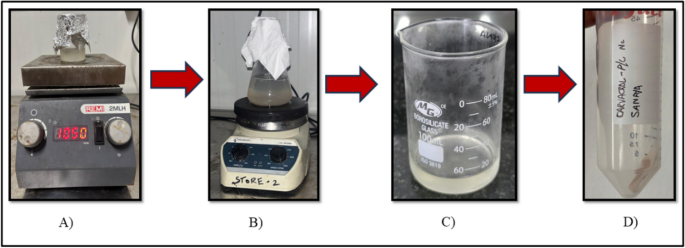
Development and Evaluation of Carvacrol-Pectin/Chitosan Complex for Colon Targeted Drug Delivery in Ulcerative Colitis
Journal of Pharmaceutical Innovation

Development and Evaluation of Carvacrol-Pectin/Chitosan Complex for Colon Targeted Drug Delivery in Ulcerative Colitis

New colon-targeted formulations aim to concentrate treatment where inflammation is in ulcerative colitis, which could increase benefit and reduce systemic side effects. Formulation research like this is an early step...

Read Summary
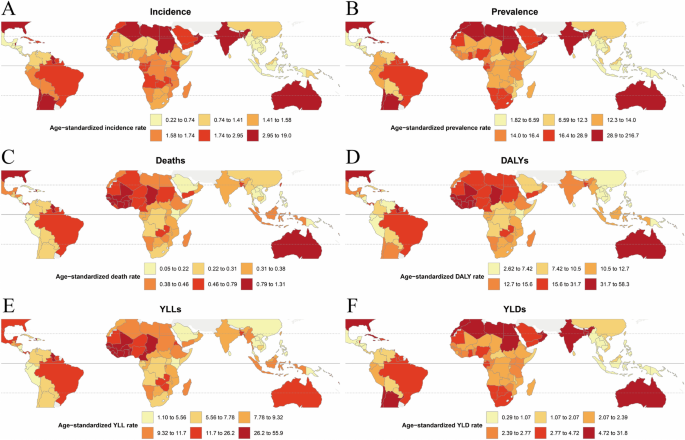
Climate classification, sociodemographic development, and the burden of inflammatory bowel disease in tropical countries
Tropical Medicine and Health

Climate classification, sociodemographic development, and the burden of inflammatory bowel disease in tropical countries

The work links climate and sociodemographic context to IBD burden in tropical regions, which can influence diagnostic recognition, resource needs, and research priorities for communities where IBD is rising.

Read Summary
Lactiplantibacillus plantarum BF_15 Confers Protection Against Ulcerative Colitis by Orchestrating Gut Microbiota-Barrier-Immune Triad Homeostasis.
Food science & nutrition

Lactiplantibacillus plantarum BF_15 Confers Protection Against Ulcerative Colitis by Orchestrating Gut Microbiota-Barrier-Immune Triad Homeostasis.

Early-stage research suggests a specific probiotic strain may reduce inflammation and alter the gut microbiome and immune-related proteins in an animal model of ulcerative colitis, which could point to future therapeutic...

Read Summary
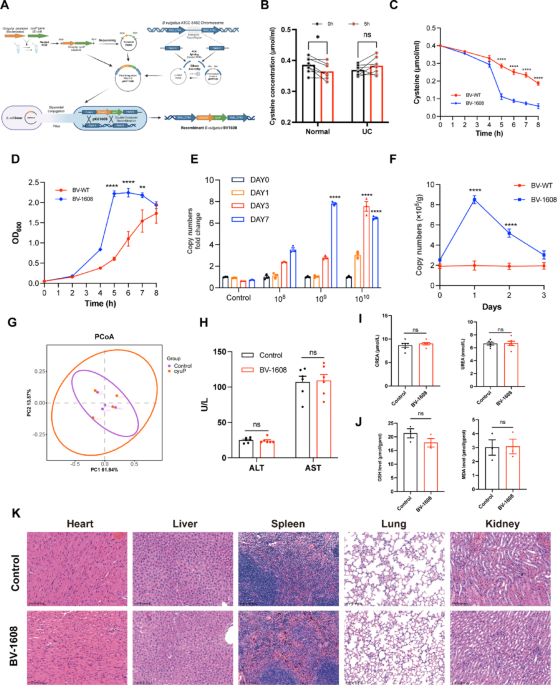
Depleting luminal cysteine with engineered bacteroides vulgatus alleviates experimental colitis by suppressing Th17 differentiation through an ATF6-dependent mechanism
Inflammation Research

Depleting luminal cysteine with engineered bacteroides vulgatus alleviates experimental colitis by suppressing Th17 differentiation through an ATF6-dependent mechanism

This study describes a new microbiome-engineering approach that reduced inflammation in mouse colitis models by sequestering cysteine and altering T cell behavior. If followed up, it could point to novel future therapies...

Read Summary
FUT2-mediated intestinal fucosylation: a master regulator of host-microbiota symbiosis in health and disease.
Frontiers in microbiology

FUT2-mediated intestinal fucosylation: a master regulator of host-microbiota symbiosis in health and disease.

FUT2-dependent intestinal fucosylation helps shape which gut microbes thrive and how the mucosa resists pathogens. For people with IBD, differences in FUT2 function and altered fucosylation may contribute to microbiome...

Read Summary
“Targeted Delivery–Long-Acting Adhesion–Synergistic Treatment” Integrated Adhesive Bilayer Microgels Loaded with Costunolide for Ulcerative Colitis Therapy
ACS Applied Materials & Interfaces

“Targeted Delivery–Long-Acting Adhesion–Synergistic Treatment” Integrated Adhesive Bilayer Microgels Loaded with Costunolide for Ulcerative Colitis Therapy

This study describes a novel colon-targeted microgel delivery system carrying an anti-inflammatory natural compound that, in a mouse model, reduced colitis signs and altered gut bacteria — a potential new strategy for...

Read Summary
Gut microbiota-derived propionate mediates the protective effects of green banana resistant starch on ulcerative colitis by inhibiting HDAC1 to promote HIF-1α acetylation.
Food research international (Ottawa, Ont.)

Gut microbiota-derived propionate mediates the protective effects of green banana resistant starch on ulcerative colitis by inhibiting HDAC1 to promote HIF-1α acetylation.

The study links a common dietary fiber (green banana resistant starch) to microbiota changes and production of propionate that protect the colonic barrier and reduce inflammation in a mouse model of ulcerative colitis.

Read Summary
Quercetin glycoside-specific modulation of the gut-brain axis determines protection against colitis-associated cognitive decline.
Food research international (Ottawa, Ont.)

Quercetin glycoside-specific modulation of the gut-brain axis determines protection against colitis-associated cognitive decline.

People with IBD may experience cognitive symptoms; this preclinical study identifies specific quercetin glycosides that protected mice from colitis-related cognitive decline via gut microbiota and tryptophan metabolism...

Read Summary
Prunella vulgaris Polysaccharide Ameliorates DSS-Induced Ulcerative Colitis by Increasing the Abundance of Ligilactobacillus agilis to Inhibit Inflammation and Preserve Intestinal Barrier Integrity
Journal of Agricultural and Food Chemistry

Prunella vulgaris Polysaccharide Ameliorates DSS-Induced Ulcerative Colitis by Increasing the Abundance of Ligilactobacillus agilis to Inhibit Inflammation and Preserve Intestinal Barrier Integrity

A plant polysaccharide (PVP) reduced inflammation and preserved intestinal barrier proteins in a mouse model of ulcerative colitis, apparently by increasing a specific gut bacterium. This points to a microbiome-related...

Read Summary
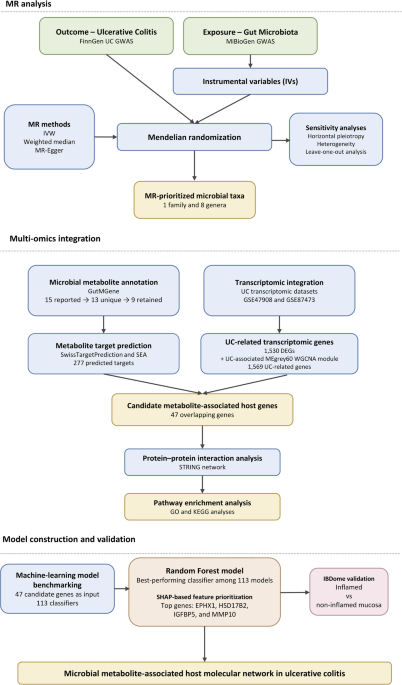
Integrative multi-omics analyses suggest a candidate microbial metabolite-associated host gene network in ulcerative colitis
Immunologic Research

Integrative multi-omics analyses suggest a candidate microbial metabolite-associated host gene network in ulcerative colitis

Researchers are working to link specific gut microbes and their metabolites to host molecular changes in ulcerative colitis. This study maps candidate microbe–metabolite–host gene connections that could point to new...

Read Summary
Ileal transcriptomic and mucosal microbiome features at resection are associated with postoperative recurrence in Crohn’s disease
Springer Science and Business Media LLC

Ileal transcriptomic and mucosal microbiome features at resection are associated with postoperative recurrence in Crohn’s disease

If confirmed, molecular or microbial markers found at surgery could help identify Crohn’s patients at higher risk of postoperative endoscopic recurrence and inform closer monitoring or preventative strategies after...

Read Summary
Sarcopenia in patients with active ulcerative colitis: associations with serum metabolites and gut microbiota
Frontiers in Nutrition

Sarcopenia in patients with active ulcerative colitis: associations with serum metabolites and gut microbiota

Sarcopenia (loss of muscle mass/strength) was common among hospitalized adults with active UC and linked to inflammation, changes in blood metabolites (bile acids, acylcarnitines), and shifts in the gut microbiome.

Read Summary
Parkinson's disease-associated LRRK2 G2019S enhances intestinal neutrophil extracellular trap formation through RAB10–myeloperoxidase signaling and promotes enteric α-synuclein accumulation
Springer Science and Business Media LLC

Parkinson's disease-associated LRRK2 G2019S enhances intestinal neutrophil extracellular trap formation through RAB10–myeloperoxidase signaling and promotes enteric α-synuclein accumulation

The work links a PD risk gene (LRRK2 G2019S) to increased intestinal NET formation and enteric α-synuclein in mouse colitis, suggesting a neutrophil-mediated inflammatory route by which gut inflammation and microbiota...

Read Summary