
A Real-World Study of Upadacitinib in Anti-TNF Refractory Crohn's Disease - Dove Medical Press
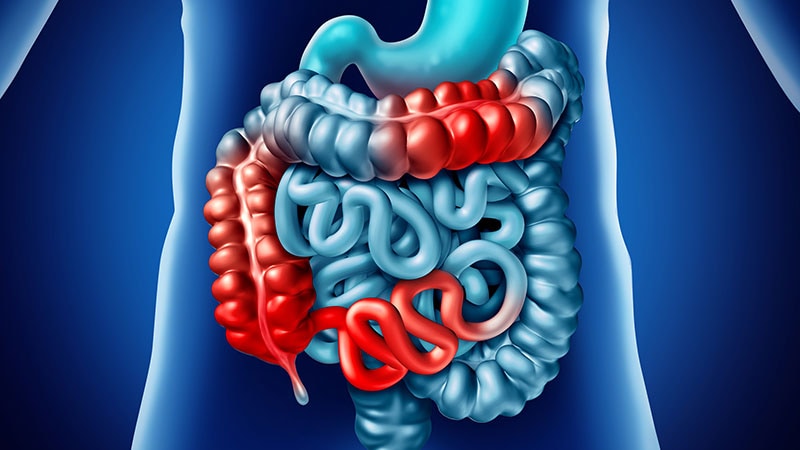
This study looks at upadacitinib in people with Crohn’s disease who did not respond to anti-TNF drugs — a common and challenging clinical situation.
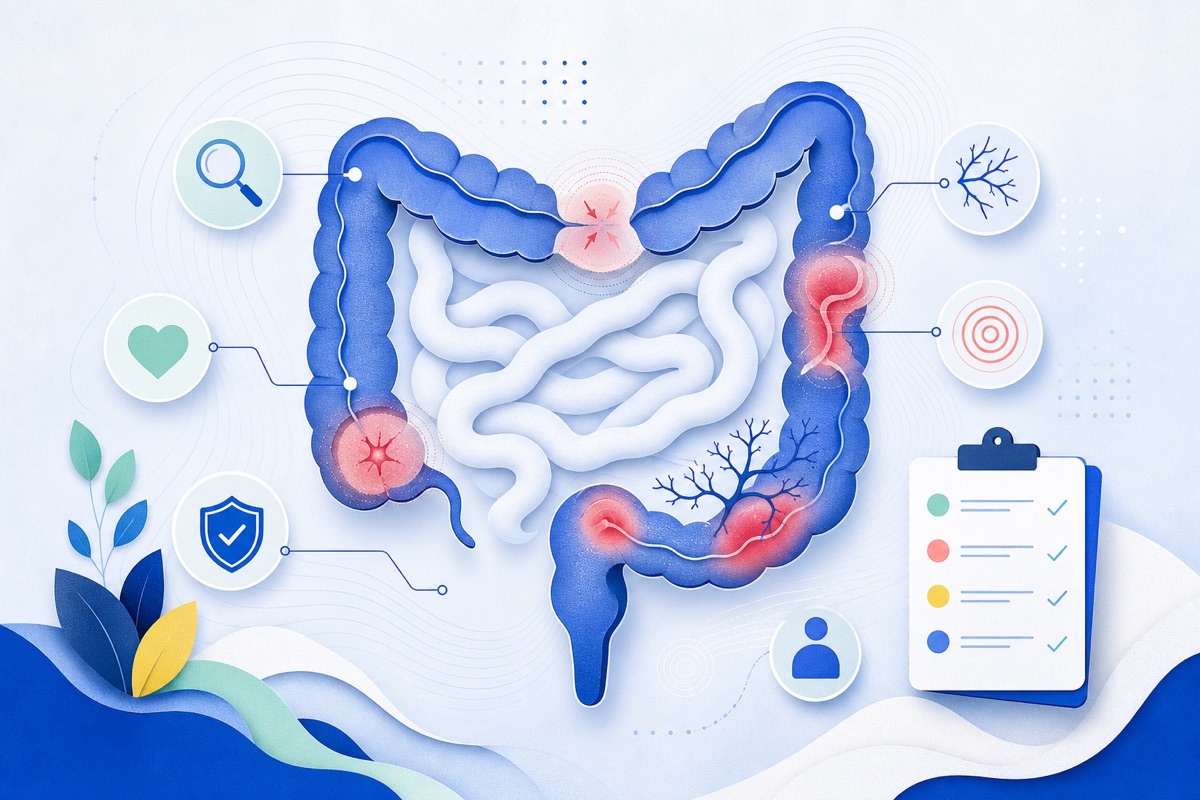
Fistulas, strictures, obstruction, anemia, cancer risk, extraintestinal symptoms, and related complications.
Page 18 of 20 · 918 articles
This study looks at upadacitinib in people with Crohn’s disease who did not respond to anti-TNF drugs — a common and challenging clinical situation.
Mucosal healing is a treatment goal that aims to stop internal intestinal inflammation, not just symptoms. Achieving mucosal healing is linked with fewer hospitalizations, less need for surgery, and lower rates of...
The study identifies a specific protein interaction that may underlie persistent inflammation; for people with Crohn’s and other inflammatory conditions this points to a potential new, more targeted treatment approach in...
This analysis summarizes longer-term safety data for upadacitinib (Rinvoq) in people with moderate to severe ulcerative colitis and Crohn’s disease.
Based on the title and source metadata, this appears to be a basic science related to Crohn's disease and Complications. The original article is from msn.com.
This research suggests genetic risk scores could help identify people with IBD who are more likely to have severe disease, which might eventually inform earlier monitoring or treatment decisions. It’s a step toward more...
Fibrosis (scarring) in Crohn’s can narrow the bowel and lead to surgery. A discovery about immune cells that drive fibrosis could eventually point to treatments that reduce or prevent scarring.
Based on the title and source metadata, this appears to be a patient education related to Crohn's disease, Inflammatory bowel disease, and Procedures and surgery. The original article is from msn.com.
After bowel resection, Crohn’s often returns quietly at the surgical join (anastomosis). Early, planned monitoring can detect inflammation before symptoms appear and help prevent symptomatic recurrence or repeat surgery.
Cure8 found this source from wjgnet.com, but the page could not be read reliably yet. It is tagged for Crohn's disease and Complications. Open the original article for the full details.
Based on the title and source metadata, this appears to be a conference abstract related to Inflammatory bowel disease, Joint Pain, and Joint Inflammation. The original article is from medscape.com.
The episode clarifies key differences between Crohn’s and ulcerative colitis, outlines common symptoms that should prompt medical evaluation, and reviews monitoring and complication risks that affect long‑term care.
Based on the title and source metadata, this appears to be a patient education related to Crohn's disease, Inflammatory bowel disease, and Medications. The original article is from msn.com.
This is the first reported organoid-based intestinal regenerative therapy entering clinical trials, which could offer a new approach for Crohn’s patients whose ulcers don’t heal with current treatments. Early-stage...
Based on the title and source metadata, this appears to be a systematic review or meta analysis related to Inflammatory bowel disease, Anemia, and Complications. The original article is from medscape.com.
Cure8 found this source from tmcnet.com, but the page could not be read reliably yet. It is tagged for Crohn's disease, Inflammatory bowel disease, and Stricture. Open the original article for the full details.
Based on the title and source metadata, this appears to be a clinical study related to Crohn's disease and Complications. The original article is from cureus.com.
If EBV exposure is linked to higher Crohn’s risk, it could point to new avenues for understanding who develops IBD and why. For people with Crohn’s or at risk for it, the finding helps explain ongoing research into...
Noninfectious (aseptic) abscesses or persistent lymphadenitis can be an early extraintestinal sign of IBD in children. Recognizing this link can prompt appropriate imaging and endoscopic evaluation that may lead to...
Based on the title and source metadata, this appears to be a patient education related to Inflammatory bowel disease and Complications. The original article is from msn.com.
Based on the title and source metadata, this appears to be a guideline related to Inflammatory bowel disease and Tests and monitoring. The original article is from msn.com.
Extraintestinal issues (joints, eyes, skin, bone, kidneys, liver) are common in IBD and can influence which medications will help both gut disease and other problems. Knowing these risks affects monitoring and cancer...
Environmental pollutants are increasingly linked to Crohn's disease risk, especially when exposures occur in early life. Understanding these links may help explain rising IBD rates and guide future prevention research.
This article gives a clear, patient-friendly overview of Crohn’s disease: what it is, common symptoms and complications, likely causes, and how doctors diagnose it. That context can help people recognize when to seek...
Based on the title and source metadata, this appears to be a case report related to Crohn's disease and Complications. The original article is from cureus.com.
Based on the title and source metadata, this appears to be a clinical study related to Inflammatory bowel disease and Complications. The original article is from physiciansweekly.com.
This analysis suggests people with IBD (Crohn’s disease and ulcerative colitis) are more likely to have periodontitis. Oral health problems can worsen quality of life and may need separate screening or care.
This study suggests LVV can occur in people with IBD at younger ages and with distinct vascular findings, and it may arise even when gut disease is in remission. That matters for awareness, diagnosis, and coordination...
A pooled analysis presented at a medical conference suggests people with IBD—especially ulcerative colitis—may have higher rates of some genitourinary cancers, which could affect discussions about cancer risk and...
This EC approval means ustekinumab (Stelara) is now an authorised treatment option in the EU for certain children and adolescents with moderate–severe Crohn’s disease who have not responded to other treatments.
Based on the title and source metadata, this appears to be a patient education related to Crohn's disease, Inflammatory bowel disease, and Joint Pain. The original article is from msn.com.
Cure8 found this source from hmpgloballearningnetwork.com, but the page could not be read reliably yet. It is tagged for Crohn's disease and Complications. Open the original article for the full details.
This study suggests viral exposures—specifically Epstein–Barr virus—might be associated with later development of Crohn’s disease, which could help researchers study disease triggers. If confirmed, such findings might...
People with Crohn’s often have other inflammatory or immune-related conditions. Knowing these links can help patients and clinicians watch for symptoms that might need evaluation or treatment.
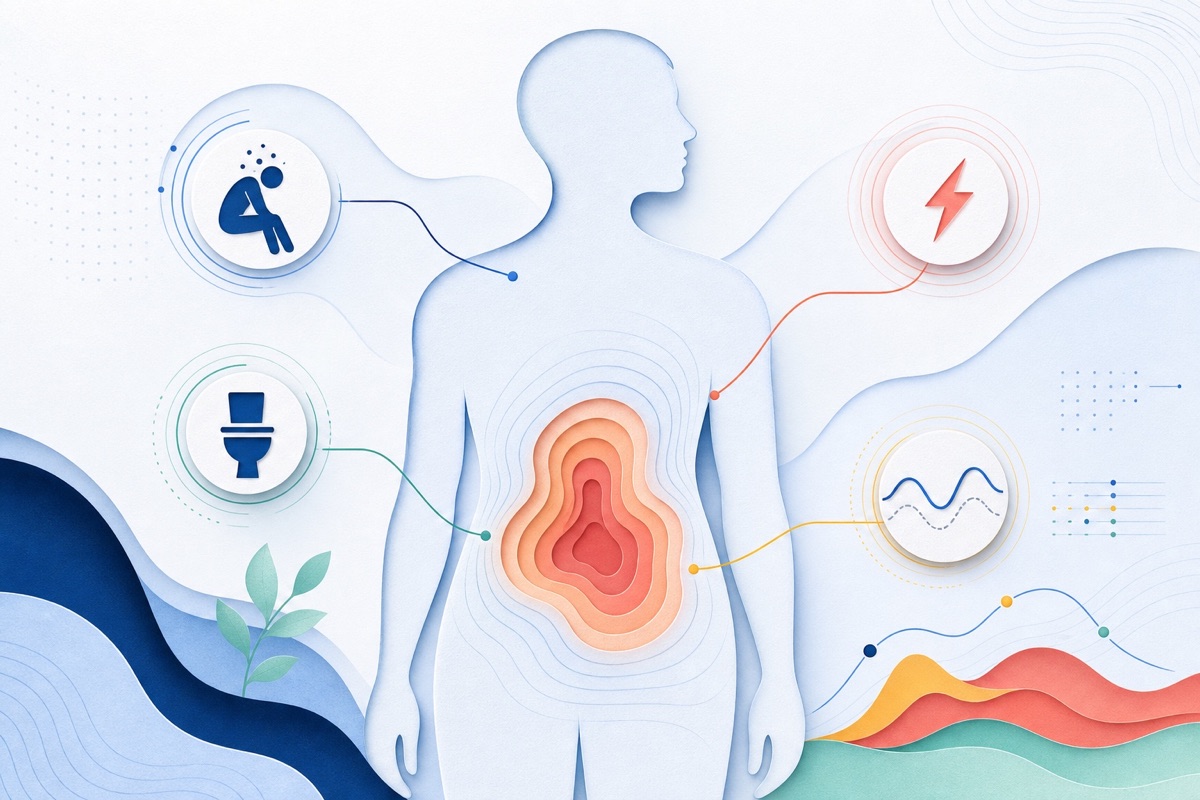
Knowing the range of Crohn’s symptoms helps you recognize when to seek care, track disease patterns, and explain concerns to your clinician. The article highlights location-based differences and serious complications...
Personal stories raise awareness about how Crohn’s disease affects patients and families, and fundraising helps charities that support research and services. The article may resonate with people coping with surgery,...
Women with Crohn’s may have additional or different symptoms (period changes, painful sex, fertility concerns, bone and iron problems) that can affect daily life and long-term health. Recognizing these issues helps guide...
Patients considering switching biologics or clinicians choosing a second‑line therapy may care because the study suggests ustekinumab had better long‑term persistence and improving remission rates compared with anti‑TNF...
Chronic inflammation in Crohn’s, especially when the colon is affected, raises colorectal cancer risk over time. Knowing risk factors and recommended screening helps people with Crohn’s get earlier detection and...
The findings point to an immune-cell change that may happen before Crohn’s symptoms appear, which could help predict relapse or guide future therapies. That could eventually affect monitoring or new treatment strategies...
Reducing long-term corticosteroid use matters because steroids have significant side effects when used repeatedly or chronically. The study suggests ileocaecal resection may lower steroid exposure for many patients, but...
Cure8 found this source from hmpgloballearningnetwork.com, but the page could not be read reliably yet. It is tagged for Crohn's disease, Inflammatory bowel disease, and Tests and monitoring. Open the original article...
Based on the title and source metadata, this appears to be a clinical study related to Irritable bowel syndrome, Upadacitinib, and JAK inhibitor. The original article is from msn.com.
This study reports that upadacitinib produced clinical responses and steroid-free remission in a majority of patients with refractory Crohn's disease at 12 weeks, which may be relevant for people who have not responded...
People (especially women) with recurrent stomach pain, persistent nausea, or bleeding can be misdiagnosed with IBS when they have inflammatory bowel disease like Crohn’s. Early recognition can prevent complications that...
This is an early positive interim report of a new oral drug (ALK5 inhibitor) aimed at fibrostenosing Crohn’s disease. Treatments that target intestinal strictures are an important area of research for people with...
This report describes an investigational drug that appears to reach its intestinal target and produced molecular changes in biopsies from people with fibrostenosing Crohn’s — a form that causes scarring and strictures.
This study suggests a microbiome‑based biomarker (IgG reactivity to certain gut bacteria, especially M. gnavus) could help identify spondyloarthritis in people with Crohn’s disease and distinguish axial from peripheral...