All topics

Complications

Fistulas, strictures, obstruction, anemia, cancer risk, extraintestinal symptoms, and related complications.

Page 17 of 20 · 920 articles

Nutrition and Body Composition: Missing Outcomes in Appetite- and Weight-Modifying Therapies for Individuals with Inflammatory Bowel Disease.
Gastroenterology

Nutrition and Body Composition: Missing Outcomes in Appetite- and Weight-Modifying Therapies for Individuals with Inflammatory Bowel Disease.

Cure8 found this source from Gastroenterology, but the page could not be read reliably yet. It is tagged for Inflammatory bowel disease and Research and clinical trials. Open the original article for the full details.


Read Summary
Risk factors and fatigue in difficult-to-treat Crohn’s disease: A cross-sectional study of a Chinese cohort
World Journal of Gastroenterology

Risk factors and fatigue in difficult-to-treat Crohn’s disease: A cross-sectional study of a Chinese cohort

Identifies features associated with the new international definition of difficult‑to‑treat Crohn’s disease and links DTT status to greater mental fatigue. Biomarker differences (IL‑5, IL‑10) may point to distinct immune...

Read Summary
Balloon-assisted endoscopic stricturotomy for small bowel fibrostenotic strictures: A comparison of Crohn’s disease-related and non-Crohn’s disease strictures
World Journal of Gastroenterology

Balloon-assisted endoscopic stricturotomy for small bowel fibrostenotic strictures: A comparison of Crohn’s disease-related and non-Crohn’s disease strictures

Patients with small-bowel strictures face repeat procedures or surgery; this study suggests endoscopic stricturotomy outcomes differ by whether the stricture is from Crohn’s disease and that a simple blood marker (NLR)...

Read Summary
Exosomes from IL-33-Stimulated Macrophages Regulate Epithelial Barrier Function to Ameliorate TNBS-Induced Colitis in Mice.
Cells

Exosomes from IL-33-Stimulated Macrophages Regulate Epithelial Barrier Function to Ameliorate TNBS-Induced Colitis in Mice.

The study identifies a potential biologic approach (macrophage-derived exosomes) that improved epithelial repair and barrier function in a mouse colitis model, which could inform future therapeutic research for IBD.

Read Summary

Risk of Inflammatory Bowel Disease Following Hospital-Treated Infections and Modulatory Role of Host Genetics to Support a Multi-Hit Pathogenesis Model.

If hospital-treated infections raise later IBD risk—especially in people with certain immune-related genetic variants—this supports a multi-hit model of IBD and could eventually help identify higher-risk individuals...

Read Summary
Modulating Microbial Choline Degradation to Prevent and Treat Intestinal Fibrosis in Inflammatory Bowel Diseases
NIH RePORTER

Modulating Microbial Choline Degradation to Prevent and Treat Intestinal Fibrosis in Inflammatory Bowel Diseases

Intestinal fibrosis and strictures remain a major cause of surgery and obstruction in Crohn’s disease, and current anti-inflammatory drugs don’t reliably prevent fibrosis. If microbial choline degradation promotes...

Read Summary
Childhood appendectomy is linked with higher digestive, respiratory, and genitourinary disease risk but lower inflammatory bowel disease risk.
Evolution, medicine, and public health

Childhood appendectomy is linked with higher digestive, respiratory, and genitourinary disease risk but lower inflammatory bowel disease risk.

This large register study suggests childhood appendectomy may change later risk of several common conditions while being associated with lower IBD risk — information that could matter to patients, parents, and clinicians...

Read Summary

Quantitative Analysis of Retinal and Choroidal Microvascular Changes in Adult IBD Patients: Insights into the Gut-Retina Axis.

The study suggests measurable retinal and choroidal microvascular differences in people with IBD versus controls, which could point to systemic vascular effects of inflammation and offer noninvasive biomarker...

Read Summary
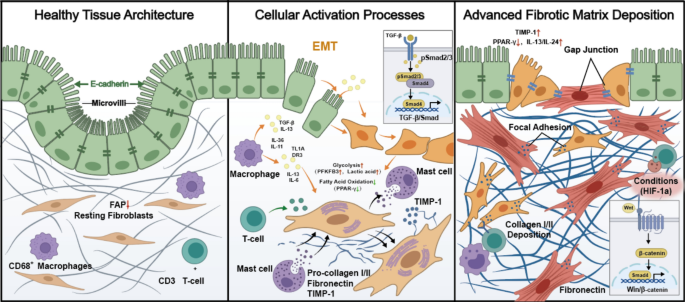
Intestinal Fibrosis in IBD: Rethinking the Inflammatory Paradigm and Emerging Therapeutic Opportunities.
Digestive diseases and sciences

Intestinal Fibrosis in IBD: Rethinking the Inflammatory Paradigm and Emerging Therapeutic Opportunities.

Intestinal fibrosis causes strictures that can lead to obstruction and often require surgery; current drugs mainly reduce inflammation and do not reliably prevent or reverse fibrosis. Advances in understanding fibrosis...

Read Summary
Novel SLC10A2 variants induce primary bile acid malabsorption and dysbiosis with IBD-like features.
Inflammatory bowel diseases

Novel SLC10A2 variants induce primary bile acid malabsorption and dysbiosis with IBD-like features.

Genetic primary bile acid malabsorption can produce IBD-like symptoms and may be missed in children labeled with Crohn's disease; recognizing PBAM could change testing and management for some patients.

Read Summary
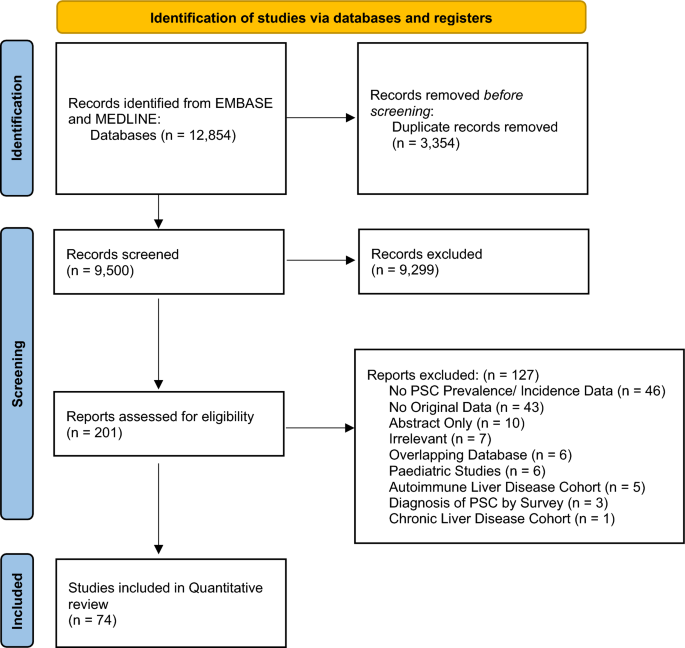
Epidemiology of primary sclerosing cholangitis in general and IBD populations: a systematic review and meta-analysis
Hepatology International

Epidemiology of primary sclerosing cholangitis in general and IBD populations: a systematic review and meta-analysis

PSC is rare in the general population but substantially more common in people with IBD, particularly ulcerative colitis, and it raises long-term hepatobiliary risks including cholangiocarcinoma—so knowing how often PSC...

Read Summary
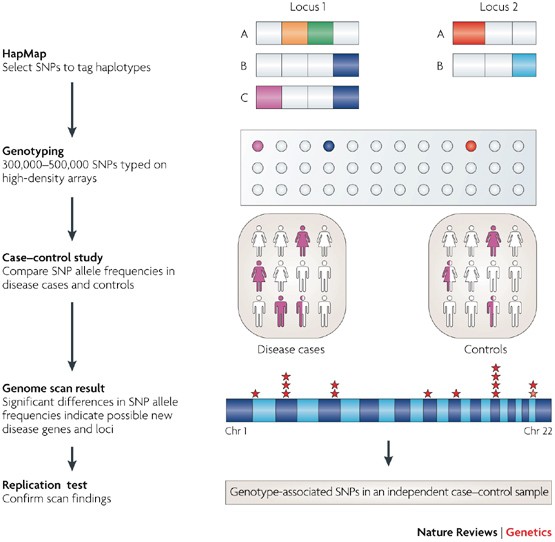
New links to the pathogenesis of Crohn disease provided by genome-wide association scans
nature.com

New links to the pathogenesis of Crohn disease provided by genome-wide association scans

Genetic studies help reveal biological pathways behind Crohn’s disease, which can guide research into new treatments and better understanding of disease mechanisms. People with Crohn’s disease may find it useful to know...

Read Summary
Palisade Bio to Present Data on PDE4 Inhibitor PALI-2108 for Fibrostenotic Crohn's Disease ...
geneonline.com

Palisade Bio to Present Data on PDE4 Inhibitor PALI-2108 for Fibrostenotic Crohn's Disease ...

Fibrostenotic Crohn’s disease (intestinal strictures from scar tissue) has few non-surgical treatment options. An investigational drug aimed at fibrosis could eventually offer a medical alternative to surgery if research...

Read Summary