Five-day diet shows early promise for Crohn’s patients
Based on the title and source metadata, this appears to be a clinical study related to Crohn's disease, Inflammatory bowel disease, and Diet and lifestyle. The original article is from msn.com.
Clinical trials, biomarkers, microbiome, genetics, AI, basic science, and emerging IBD research.
Page 59 of 65 · 3097 articles
Based on the title and source metadata, this appears to be a clinical study related to Crohn's disease, Inflammatory bowel disease, and Diet and lifestyle. The original article is from msn.com.
Treg cell therapy aims to reduce harmful immune activity that drives Crohn's disease. If developed successfully, it could become a targeted cell-based treatment option for patients who don't respond to current therapies.
Based on the title and source metadata, this appears to be a clinical study related to Crohn's disease, Inflammatory bowel disease, and Research and clinical trials. The original article is from pressreader.com.
This research suggests genetic risk scores could help identify people with IBD who are more likely to have severe disease, which might eventually inform earlier monitoring or treatment decisions. It’s a step toward more...
Based on the title and source metadata, this appears to be an opinion or commentary related to Crohn's disease, Inflammatory bowel disease, and Research and clinical trials. The original article is from...
Based on the title and source metadata, this appears to be a basic science related to Crohn's disease and Research and clinical trials. The original article is from bernama.com.
Fibrosis and repeated bowel surgery are a major problem for many people with Crohn’s disease; research that could prevent or treat bowel scarring could reduce the need for operations and improve long-term outcomes.
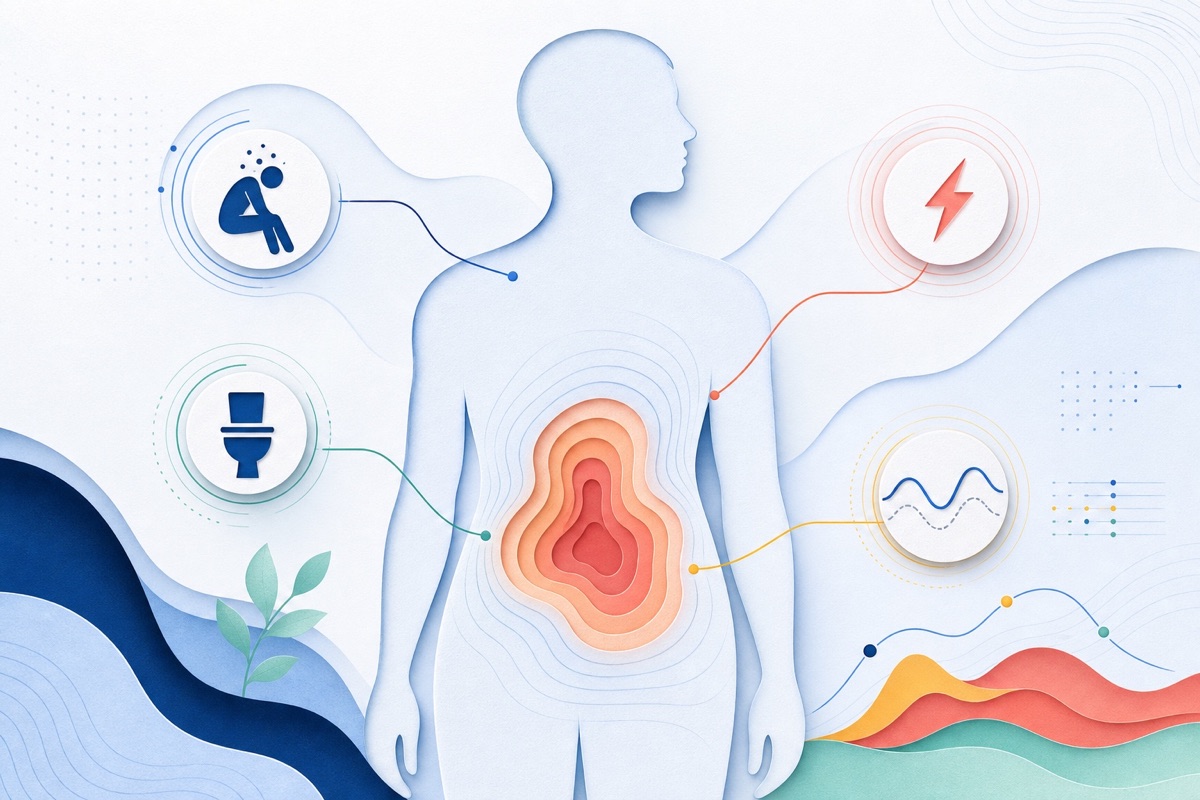
Diet is a common concern for people with Crohn’s disease, and this randomized trial suggests a structured, short-term calorie-restricted diet may reduce symptoms and markers of gut inflammation. Evidence-based dietary...
The study suggests a blood cytokine (CXCL9) could help noninvasively detect intestinal inflammation in Crohn’s disease, which might one day reduce reliance on colonoscopy for monitoring disease activity.
Cure8 could only read part of this source from marketscreener.com, so this card uses cautious topic tags instead of a full summary. It is tagged for Crohn's disease, Stricture, and Research and clinical trials.
Based on the title and source metadata, this appears to be a clinical trial phase 1 related to Crohn's disease, Inflammatory bowel disease, and Research and clinical trials. The original article is from marketbeat.com.
Cure8 could only read part of this source from tradingview.com, so this card uses cautious topic tags instead of a full summary. It is tagged for Crohn's disease, Inflammatory bowel disease, and Research and clinical...
A new investigational drug (EOM613) is entering a small Phase II trial for Crohn’s disease, which could become a future treatment option if later studies are positive. Early-stage industry updates can indicate where...
Cure8 found this source from tipranks.com, but the page could not be read reliably yet. It is tagged for Ulcerative colitis, Crohn's disease, and Inflammatory bowel disease. Open the original article for the full...
Based on the title and source metadata, this appears to be a patient education related to Crohn's disease, Inflammatory bowel disease, and Remission. The original article is from msn.com.
The study suggests that clinical remission on biologics can hide ongoing gut microbiome, metabolite, and epithelial abnormalities that may influence flare risk. This matters because focusing only on immune suppression...
This is the first reported organoid-based intestinal regenerative therapy entering clinical trials, which could offer a new approach for Crohn’s patients whose ulcers don’t heal with current treatments. Early-stage...
The study maps cell types and signals linked to submucosal scarring in Crohn's disease, a complication without drug treatments that often requires surgery. Understanding these mechanisms could point to future therapeutic...
Based on the title and source metadata, this appears to be a clinical trial phase 3 related to Crohn's disease, Inflammatory bowel disease, and Research and clinical trials. The original article is from...
Perianal abscesses or fistulas in children can be an early sign of Crohn's disease. Recognizing which kids are at higher risk helps guide follow-up and testing so diagnosis isn't delayed.
Cure8 found this source from tmcnet.com, but the page could not be read reliably yet. It is tagged for Crohn's disease, Inflammatory bowel disease, and Stricture. Open the original article for the full details.
Cure8 could only read part of this source from managedhealthcareexecutive.com, so this card uses cautious topic tags instead of a full summary. It is tagged for Inflammatory bowel disease and Research and clinical...
TREMFYA (guselkumab) is an IL-23 inhibitor being studied for ulcerative colitis and Crohn's disease; new trial data could affect future treatment options. For people with IBD, drug-development news may indicate upcoming...
IL‑23 inhibitors are an important and growing class of drugs for Crohn’s disease. Comparing them helps patients and clinicians understand differences in trial results, approvals, and possible treatment choices.
If EBV exposure is linked to higher Crohn’s risk, it could point to new avenues for understanding who develops IBD and why. For people with Crohn’s or at risk for it, the finding helps explain ongoing research into...
An interchangeable biosimilar to ustekinumab could expand access and lower costs for people with Crohn’s disease and ulcerative colitis who use Stelara. Pharmacists may be able to substitute the biosimilar for the...
Based on the title and source metadata, this appears to be a market or business news related to Ulcerative colitis, Crohn's disease, and Guselkumab. The original article is from firstwordpharma.com.
Clinical trials are how new IBD tests and treatments are developed; joining one can give access to interventions and helps improve care for people with Crohn’s disease or ulcerative colitis. The article gives practical...
An FDA interchangeability approval for a biosimilar to ustekinumab could make a lower-cost alternative more available for people with Crohn’s disease or ulcerative colitis who use Stelara. It’s primarily a regulatory and...
Cure8 could only read part of this source from helmsleytrust.org, so this card uses cautious topic tags instead of a full summary. It is tagged for Inflammatory bowel disease, Crohn's disease, and Research and clinical...
Based on the title and source metadata, this appears to be an observational study related to Research and clinical trials. The original article is from msn.com.
The article explains how gut bacteria may contribute to IBD and summarizes common tests and treatments people are likely to encounter. It highlights emerging microbial therapies (probiotics and FMT) that some patients...
This study suggests using both faecal calprotectin and intestinal ultrasound together can better identify patients who reach deeper, transmural healing — and those patients had lower risk of bowel-damage progression....
Genetic ancestry can influence IBD risk and disease course, and most prior studies focused on European populations.
Fatigue is a common, often persistent symptom in Crohn’s disease even during remission. This study suggests brain structure differences may be linked to fatigue when inflammation is low, pointing to potential...
People with IBD have a higher lifetime risk of colorectal cancer; updated UK guidelines give clinicians and patients evidence-based recommendations on when and how to do surveillance colonoscopy to detect precancerous...
Based on the title and source metadata, this appears to be a clinical study related to Crohn's disease, Ulcerative colitis, and Inflammatory bowel disease. The original article is from degruyterbrill.com.
Based on the title and source metadata, this appears to be an event or fundraiser related to Inflammatory bowel disease, Crohn's disease, and Ulcerative colitis. The original article is from patch.com.
Based on the title and source metadata, this appears to be a clinical trial phase 1 related to Crohn's disease, Inflammatory bowel disease, and Research and clinical trials. The original article is from patch.com.
Market reports can signal which drugs, companies, and biosimilars are becoming more available and may affect access and cost. Announcements about biosimilars could influence treatment affordability and prescribing...
This video quickly outlines the range of medical treatments now available for Crohn’s disease, including newer approvals. Knowing drug classes and recent options can help patients and clinicians discuss treatment plans...
People with Crohn’s disease and their clinicians need ways to predict which medication will work best and to know how different drugs compare. Better predictors and head-to-head trials could reduce trial-and-error...
The video discusses trials testing combinations of existing Crohn’s therapies with different mechanisms to potentially boost treatment effectiveness. If successful, combination approaches could expand options for people...
Environmental pollutants are increasingly linked to Crohn's disease risk, especially when exposures occur in early life. Understanding these links may help explain rising IBD rates and guide future prevention research.
Based on the title and source metadata, this appears to be a regulatory update related to Crohn's disease, Inflammatory bowel disease, and Guselkumab. The original article is from firstwordpharma.com.
Earlier detection of small-bowel Crohn’s disease with capsule endoscopy could help guide earlier or more targeted treatment and may lower flare rates, which matters to people trying to avoid disease progression and...
Distinguishing Crohn’s from ulcerative colitis can be hard and often requires invasive tests. A reliable blood test would speed diagnosis and help patients start the right treatments sooner. This study is an early step...
The findings suggest B cells and shared antibody responses may play a role in Crohn’s disease, which could point to new biomarkers or targets for future research. For patients, this helps explain why scientists are...