Volatile Organic Compounds (VOCs) in Active Inflammatory Bowel Disease
The study explores breath VOCs as a possible noninvasive biomarker for IBD activity, which could offer easier, more acceptable monitoring than colonoscopy or stool tests.

Page 42 of 100 · 4779 patient-friendly summaries
The study explores breath VOCs as a possible noninvasive biomarker for IBD activity, which could offer easier, more acceptable monitoring than colonoscopy or stool tests.
AIFOR-CD aims to validate an AI-derived digital pathology score that could objectively measure intestinal fibrosis from routine ileal biopsies.
Perianal fistulas are a common, often debilitating complication of Crohn's disease that require accurate imaging to guide medical and surgical care. If TPUS performs well, it could offer a faster, lower-cost,...
Identifying common multimorbidity patterns and using machine learning to predict premature mortality could help health systems and clinicians prioritize integrated care for people with IBD, potentially improving outcomes...
Researchers are exploring plant-derived polyphenols as potential anti-inflammatory agents for IBD. This preclinical study suggests a Tsaoko Fructus extract reduced colitis in mice, altered the gut microbiome toward...
People with Crohn’s disease who develop narrowing at an ileocolonic surgical anastomosis often need repeated dilation or surgery. This pilot study tests using a self-expandable metallic stent (SEMS) as a possible...
The letter highlights salidroside as a potential multi-target agent that could modulate neuro-immune interactions and protect the gut barrier — mechanisms relevant to ulcerative colitis. Patients and clinicians may see...
People with diabetes and fatty liver disease may eventually benefit from new adjunctive therapies that target liver inflammation, fibrosis, and oxidative stress; this study reports promising preclinical signals for a...
Surgery is common in Crohn’s disease and timing may relate to disease severity and long-term outcomes. Understanding factors linked to early surgery helps patients and clinicians weigh risks and expectations after...
Distinguishing acute infectious gastroenteritis from new‑onset IBD can be clinically challenging. Faecal biomarkers that help tell these apart could speed correct diagnosis and treatment and avoid unnecessary...
The study suggests Crohn’s disease is associated with altered brain network organization in regions involved in sensing the body and emotions; anxiety appears to modulate these brain circuits. This could help explain why...
DOTATATE PET/CT can show uptake in non‑neuroendocrine diseases, which may lead to misdiagnosis or unnecessary treatments if imaging findings are not confirmed. People with Crohn's disease or other abdominal pathology who...
Preclinical work identified a plant-root extract fraction that reduced inflammation and improved some gut-barrier and microbiome features in a mouse model of ulcerative colitis, which could guide future research into new...
Based on the title and source metadata, this appears to be a patient story related to Ostomy and Community and awareness. The original article is from pressreader.com.
Improving oral delivery and colon targeting of probiotics could make probiotic therapies more effective for ulcerative colitis by increasing survival through the gut and retention at inflamed sites. If translated to...
Thiopurines are commonly used in IBD (azathioprine, 6-mercaptopurine). This review links these drugs — especially 6-thioguanine — to liver microvascular injury that can lead to portal hypertension, which may present...
Identifying Giardia genotypes linked to more severe symptoms could matter for people with IBD or recurrent intestinal infections because different assemblages may relate to symptom severity and could influence diagnostic...
The study reports a newly discovered class of marine-derived meroterpenoids and identifies a lead compound that reduced inflammatory markers and improved colitis in mice, which could eventually inform new drug...
The study suggests that genetic and single-cell signatures of cellular senescence may affect IBD susceptibility, pointing to possible new biomarkers or pathways relevant to disease risk and future therapies.
For people with UC on long-term tofacitinib, this trial provides evidence about the chances of keeping remission after stepping down dose and about safety differences between 10 mg and 5 mg twice daily over 30 months.
Patients with UC who appear healed on endoscopy can still relapse; a biopsy-based model could help separate lower- and higher-risk patients and guide monitoring or research enrollment.
FABP2 is presented as a sensitive biomarker of intestinal mucosal injury and a possible contributor to IBD mechanisms; if validated, it could improve disease monitoring and suggest new therapeutic targets.
The review lays out a multidimensional precision-care model that could help make IBD treatment more personalized, reduce unnecessary continuous medication, and use biomarker and technology-driven adjustments to manage...
The study explores how gut inflammation might influence liver autoimmune disease, which is relevant because people with IBD can have associated autoimmune cholangitis conditions. Understanding immune and metabolic links...
The study suggests that measuring fat-free mass (FFMI) may reveal nutritional recovery after an IBD flare that BMI alone misses, which matters for identifying and treating malnutrition in IBD.
Arthritis is a common and meaningful extraintestinal problem for people with IBD; understanding diagnosis and treatment options can help patients and clinicians seek appropriate multidisciplinary care.
The study identifies a new compound that reduced colitis severity in mice by acting on macrophage NF-κB signaling, lowering MMP7, improving epithelial barrier markers, and altering the gut microbiome — mechanisms...
EoE causes swallowing problems and can overlap with other immune-driven conditions. Knowing how common EoE is among people with IBD or type-2 inflammatory diseases may prompt clinicians to screen patients with...
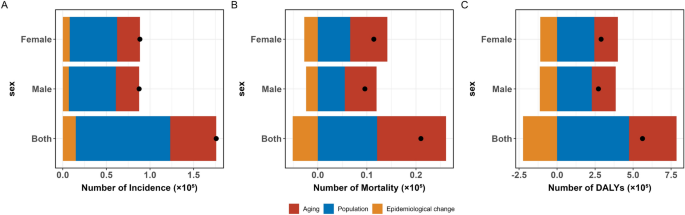
This large, population-level analysis summarizes long-term global trends in IBD burden and shows rising incidence and persistent geographic and socio-demographic inequalities. Patients and clinicians may see why...
The work searches for shared blood-based gene signatures and biomarkers across HLA-B27–linked diseases (including Crohn’s disease and ulcerative colitis), which could point to common mechanisms or cross-disease...
The study suggests a plant-derived extract can reduce inflammation and help restore the intestinal epithelial barrier in laboratory models of ulcerative colitis, which is directly relevant to research into new IBD...
The study suggests that polyphenols can change gut bacteria and metabolite production differently in people with IBD versus healthy controls, which could matter for designing personalized dietary interventions.
This paper identifies a herbal formula that improved inflammation and epithelial barrier repair in a mouse colitis model and highlights specific molecular pathways (CAV1/FAK/paxillin and metabolite pathways) that might...
Cure8 found this source from legacy.com, but the page could not be read reliably yet. It is tagged for Community and awareness. Open the original article for the full details.
Clostridium difficile infection is an important and potentially serious complication in ulcerative colitis. A blood‑marker–based risk model could help identify higher‑risk patients noninvasively so clinicians can...
Different protein sources may affect IBD risk and relapses, especially for ulcerative colitis, and diet choices could be relevant to patients and clinicians managing IBD.
Researchers identified molecular features of a proposed “ferro‑aging” state in UC and nominated CHST15 and MSN as biomarkers, which could help understand disease biology and point to new experimental targets for therapy...
This study reports a new engineered platform that can catalytically degrade TNF‑α, the same inflammatory cytokine targeted by several IBD therapies. If translated to humans, it could offer longer‑lasting mucosal...
A systematic review finds risankizumab (an IL-23 inhibitor) effective and generally well tolerated for moderate-to-severe Crohn's disease and ulcerative colitis, including in patients who failed prior biologics. This...
Distinguishing UC from Crohn’s colitis can be challenging but affects long-term management and surveillance. A histologic feature—homogeneity versus heterogeneity of epithelial lesions across biopsies—might help improve...
Cure8 found this source from Endoscopy, but the page could not be read reliably yet. It is tagged for Inflammatory bowel disease and Research and clinical trials. Open the original article for the full details.
Corticosteroid use during IBD treatment periods was associated with higher rates of serious infections across drug classes and age groups, which may affect decisions about steroid use and infection-prevention planning.
This mouse study suggests a blueberry-derived anthocyanin plus pectin complex can alter gut microbes and metabolites linked to inflammation, pointing to a dietary approach that might influence ulcerative colitis biology.
Researchers reported that two plant-derived fructans reduced chemically induced intestinal injury in a fruit fly model and modulated stress and regenerative signaling. For people interested in new IBD therapeutic leads,...
The review summarizes how extracellular vesicles (EVs) shape immune responses and barrier repair in the gut and discusses their potential as accessible biomarkers and as vehicles for precise IBD therapies — topics that...
A wearable sensor that reliably measures inflammation markers (CRP and calprotectin) from sweat could make inflammation monitoring less invasive and more frequent for people with IBD, potentially helping detect flares...
People with immune-mediated disease, prior transplants, or those taking strong immunosuppression may care because this report links recurrent airway ulceration after lung transplant to an autoimmune-like process that...
People with IBD have higher risk of several GI and hepatobiliary cancers; imaging is an important complement to endoscopic surveillance for detecting cancers that may be transmural or outside endoscopic reach.