August 18, 2026 - Medicine Hat News
An obituary noting a life-long struggle with Crohn’s disease highlights the personal and community impact of IBD and links readers to a charity (Crohn’s and Colitis Canada) for donations.
Page 6 of 56 · 2666 patient-friendly summaries
An obituary noting a life-long struggle with Crohn’s disease highlights the personal and community impact of IBD and links readers to a charity (Crohn’s and Colitis Canada) for donations.
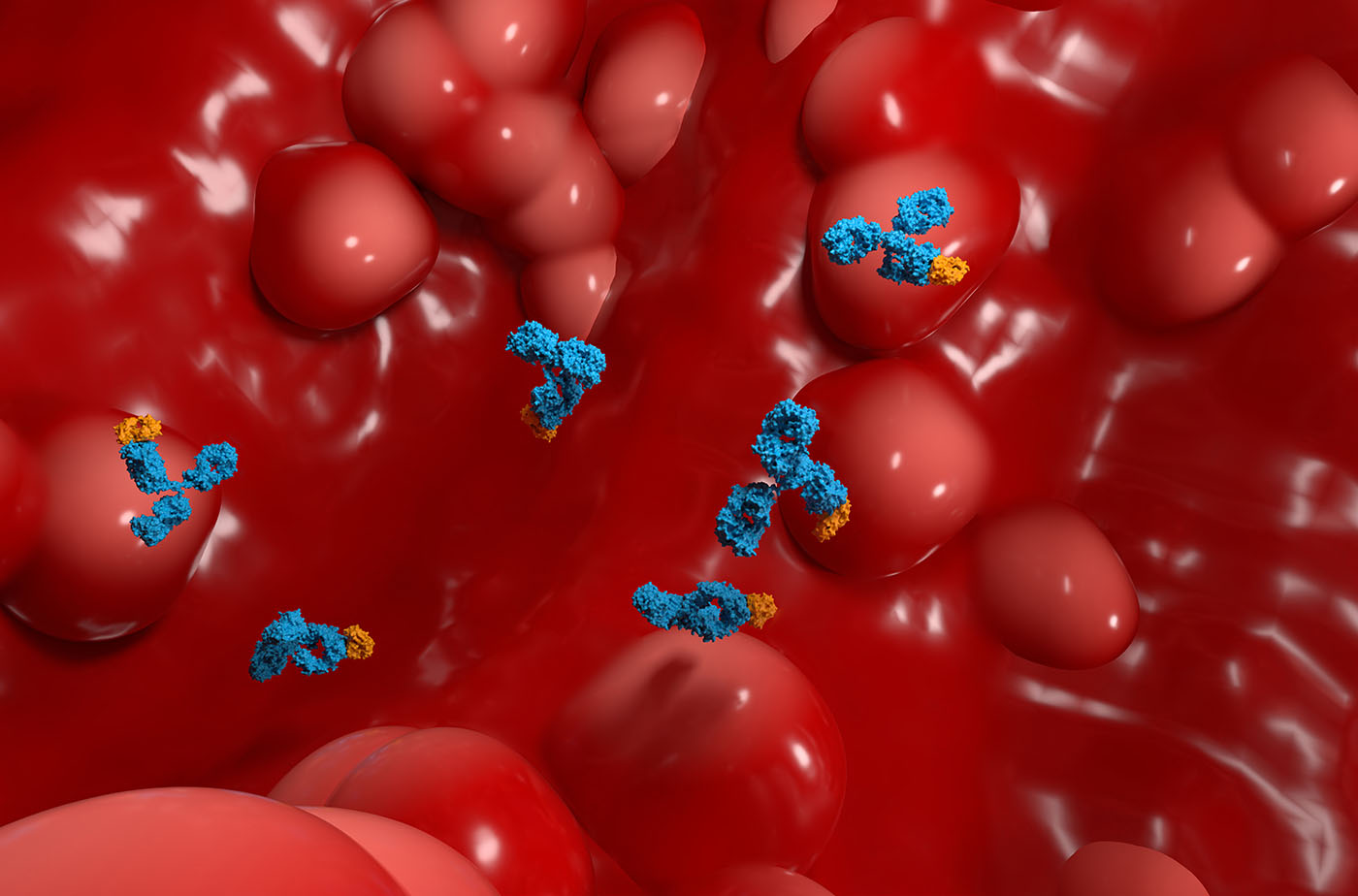
New phase IIb trial results suggest an anti‑TL1A antibody (duvakitug) produced measurable benefit in both Crohn’s disease and ulcerative colitis, which could lead to a new treatment option if later phase III trials...
Mesalazine is commonly used in ulcerative colitis; recognizing rare but serious myocarditis linked to it can lead to rapid treatment changes and recovery. Distinguishing drug-induced myocarditis from IBD-related...
The study suggests a targeted microbiome-based drug (sialidase inhibitor) may protect the mucus barrier and improve symptoms in ulcerative colitis without the broad disruption caused by antibiotics, which could be...
Market growth and industry activity can affect drug availability, prices, and the pace of new treatments or diagnostics reaching patients. Increased investment in biomarkers and targeted therapies may lead to better...
The paper reports a materials-based strategy to improve zinc delivery and bioavailability that reduced dose while preserving beneficial effects in a mouse colitis model—relevant because zinc supports intestinal health...
People with IBD and clinicians often face decisions about whether to stop biologics or small molecules before abdominal surgery.
The study tests whether fewer random biopsies are needed during surveillance colonoscopy with modern high-definition scopes — a question that could change how often biopsies are taken, affect procedure time, costs, and...
Early-phase trials test whether new treatments are safe and show biological activity. This study measures fecal calprotectin, a biomarker of intestinal inflammation, so it could provide early signals about whether ND-12...
A new oral investigational therapy (TAK-279) is being tested in a randomized phase 2 trial for moderate–severe ulcerative colitis. Trial results could influence future treatment options if the drug proves safe and...
Based on the title and source metadata, this appears to be an event or fundraiser related to Community and awareness. The original article is from pressreader.com.
People on biologic therapy who lose response often face choices: switch drugs or increase dose. This study shows that escalating doses of infliximab, adalimumab, or vedolizumab frequently led to clinical improvement and...
Based on the title and source metadata, this appears to be a basic science related to Ulcerative colitis, Inflammatory bowel disease, and Research and clinical trials. The original article is from Inflammopharmacology.
This preclinical study identifies Thymosin β4 as a protective factor in intestinal inflammation and fibrosis and suggests rhTβ4 could be explored as a new therapeutic approach for IBD by targeting mineralocorticoid...
This study suggests that an intermittent fasting pattern (alternate-day fasting) increased intestinal injury, reduced immune cells, and caused anemia in a mouse model of acute colitis, implying such diets might be risky...
Identifies specific gut bacteria and fecal bilirubin metabolites that may link microbial loss to increased oxidative burden in IBD; suggests new biomarker candidates and targets for functional follow-up.
People with UC who undergo IPAA may want to know which clinical factors raise the chance of developing chronic pouchitis so they and their clinicians can plan monitoring and care. The study identifies several patient-...
The paper reports a novel small molecule (CA-23) that directly antagonizes CD28, reducing pathogenic T cell responses in preclinical IBD models and in cells from IBD donors. If validated, this represents a...
The study identifies thymosin β4 as a protective factor in experimental colitis and suggests an injectable/oral recombinant peptide might reduce inflammation and intestinal fibrosis by suppressing mineralocorticoid...
Patients and clinicians interested in Crohn’s disease should note a new company (Fibrx) is prioritizing drugs that directly target fibrosis and strictures — an area with few medical options today.
If validated, blood-based AI predictors of organ-specific aging might help flag organs aging faster in people with Crohn’s disease or other conditions, potentially enabling earlier monitoring or research into causes....
Recognizing eye inflammation as a possible early sign of IBD could shorten diagnostic delays and lead to earlier gastroenterology evaluation and treatment, which is especially important for children who often wait years...
This paper evaluates CAR, a simple blood‑based biomarker, in children with IBD and finds it reflects disease severity and changes over time in pediatric Crohn’s disease. That matters because reliable, easy-to-measure...
The study uses generative AI and microbiome/RNA data to search for biomarkers of intestinal fibrosis in Crohn’s disease, which could help spot scarring earlier and potentially prevent worsening complications like...
This project aims to improve prediction of autoimmune disease onset and immunotherapy-related autoimmunity by combining genetics and plasma proteins.
Researchers are testing whether IL-22 — a cytokine known to help repair gut and airway lining — could protect or heal GI tissues after SARS‑CoV‑2 infection. If true, this could point to therapies relevant to people with...
This funded NIH project investigates how EAEC and AIEC bacteria might drive intestinal inflammation by degrading MUC3A/MUC4 and disrupting receptor tyrosine kinase signaling—mechanisms that could underlie...
This pilot tests whether some patients with acute severe ulcerative colitis could avoid hospitalization by using early oral JAK inhibitor therapy plus steroids with close remote monitoring — a change that could reduce...
If successful, this approach could lower costs and simplify storage/transport of an established IBD antibody (adalimumab) and enable oral delivery, which would be relevant to people with Crohn’s disease or ulcerative...
New high-resolution, multilayer imaging tools can reveal how immune cells, epithelium, and enteric nerves interact in the intestine—processes central to IBD, colorectal cancer risk, and gut-brain disorders.
Researchers are exploring whether transferring younger gut microbiomes could slow aging and prevent age-related diseases. If validated, the work could point to microbiome-based therapies that affect systemic health,...
Researchers are using a new MRI-based index (ANDI) to look for early brain changes linked to Parkinson’s disease and dementia in groups at higher risk, including people with inflammatory bowel disease. If successful, the...
A simple home test for urinary oxalate and Ox/Crea ratio could make monitoring more practical than 24-hour urine collections, helping prevent stone recurrence and allowing earlier treatment adjustments for people at...
Based on the title and source metadata, this appears to be a low information aggregator related to Community and awareness. The original article is from pressreader.com.
Because it describes a severe new Crohn’s disease case temporally linked to COVID‑19, patients and clinicians should be aware that persistent or worsening GI symptoms after SARS‑CoV‑2 infection may merit investigation;...
This study suggests brain glymphatic function — a fluid-clearance system — may be altered in people with Crohn’s disease and could relate to inflammation and common neuropsychiatric symptoms like fatigue, anxiety,...
A company acquisition shifts R&D focus toward fibrosis and brings a Crohn’s‑targeted anti‑fibrotic (RXC008) into a new corporate owner, which could influence development speed and resources for therapies aimed at...
Validated, language‑adapted questionnaires let clinicians and researchers measure disease control and quality of life reliably. A Persian IBDcQ-8 helps include Persian‑speaking patients in clinical care and research and...
IgA vasculitis can be a rare adverse effect of anti-TNF therapy like infliximab and may mimic Crohn’s relapse, so recognizing it can prevent incorrect escalation of IBD treatment.
Many people on ustekinumab who lose response wonder whether increasing dosing frequency helps. This prospective study suggests that empiric intensification to every 4 or 6 weeks raised drug levels and was linked with...
People with IBD may be interested because probiotics are being explored as a safer, non-immunosuppressive approach to help modulate gut microbiota and reduce inflammation, but effective oral delivery remains a key...
The study reports a targeted nanoparticle designed to deliver celastrol selectively to inflamed intestinal tissue and colorectal tumors, which could—if translated successfully—address limitations of oral celastrol and...
Opportunistic infections like CMV can closely mimic IBD symptoms and may be unmasked or worsened by powerful immunomodulatory drugs. Missing an underlying diagnosis such as advanced HIV can lead to serious harm but is...
Highlights variation in physician confidence to start biologics in Pakistan and links between training exposure and use of advanced therapies; points to access, cost, and infection-screening as practical barriers that...
This research suggests a new, preclinical microbiome- and metabolite-based pathway (APA-1 → THDCA → TGR5/cAMP/PKA → NLRP3) that reduced inflammation in a mouse model of ulcerative colitis, which could guide future...
Pregnant people with Crohn’s disease are often prescribed disease‑modifying therapies, yet clinical trial data in pregnancy are limited. Understanding real‑world medication use and potential drug–drug interactions helps...
An organoid platform that models epithelial injury and recovery could help researchers test treatments and biomarkers more precisely and at scale, accelerating work relevant to Crohn’s disease and other IBDs.
Based on the title and source metadata, this appears to be a case report related to Crohn's disease and Complications. The original article is from JAAD case reports.