Condition

Ulcerative colitis

Ulcerative colitis news across medications, symptoms, monitoring, procedures, research, access, and daily life.

Page 30 of 40 · 1919 articles

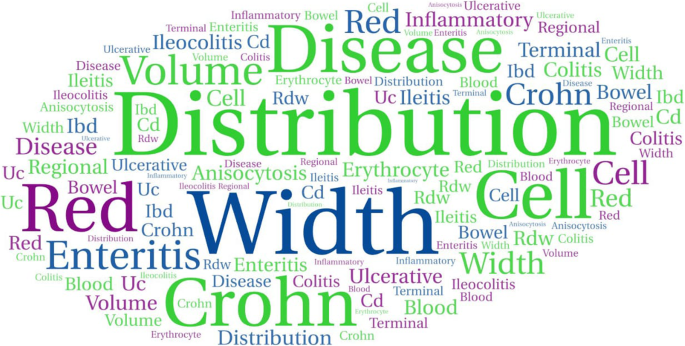
“The role of red cell distribution width in inflammatory bowel disease evaluation: a comprehensive systematic review and meta-analysis”
BMC Gastroenterology

“The role of red cell distribution width in inflammatory bowel disease evaluation: a comprehensive systematic review and meta-analysis”

RDW is part of a routine complete blood count and, if reliably associated with IBD activity, could offer a low-cost, widely available adjunctive biomarker for detecting disease and monitoring activity.

Read Summary
Expansion resistance against genotoxic E. coli: protective effects of Bifidobacterium pseudolongum in DSS-induced colitis in mice
Frontiers in Microbiology

Expansion resistance against genotoxic E. coli: protective effects of Bifidobacterium pseudolongum in DSS-induced colitis in mice

The study identifies a probiotic species (B. pseudolongum) and its acetate production as potential ways to limit a genotoxic E. coli and reduce inflammation in a mouse model — suggesting a microbiome-based avenue that...

Read Summary
The Purpose of This Study is to Evaluate the Efficacy and Safety of 627 in the Treatment of UC
ClinicalTrials.gov

The Purpose of This Study is to Evaluate the Efficacy and Safety of 627 in the Treatment of UC

A new Phase 2 study is testing an investigational injectable drug (called “627”) for moderate to severe ulcerative colitis. People with UC who have not responded to or cannot tolerate current therapies are the intended...

Read Summary
"The role of red cell distribution width in inflammatory bowel disease evaluation: a comprehensive systematic review and meta-analysis".
BMC gastroenterology

"The role of red cell distribution width in inflammatory bowel disease evaluation: a comprehensive systematic review and meta-analysis".

The review suggests RDW, an inexpensive and widely available blood test parameter, is higher in IBD and correlates with disease activity—meaning it might help clinicians monitor disease alongside other tests.

Read Summary
Long-term efficacy and safety of vedolizumab compared with infliximab in biologic-naive ulcerative colitis: a systematic review and meta-analysis
Intestinal Research

Long-term efficacy and safety of vedolizumab compared with infliximab in biologic-naive ulcerative colitis: a systematic review and meta-analysis

This meta-analysis pooled long‑term comparative data suggesting vedolizumab may have advantages over infliximab for treatment persistence, 12‑month remission, and safety in biologic‑naive ulcerative colitis — information...

Read Summary
Beyond Colectomy—Interpreting Long‐Term Disease Burden and Clinical Trajectories in Moderate‐to‐Severe Ulcerative Colitis
Journal of Gastroenterology and Hepatology

Beyond Colectomy—Interpreting Long‐Term Disease Burden and Clinical Trajectories in Moderate‐to‐Severe Ulcerative Colitis

Based on the title and source metadata, this appears to be a clinical study related to Ulcerative colitis, Inflammatory bowel disease, and Colectomy. The original article is from Journal of Gastroenterology and...

Read Summary
Creatine Preserves Colonic Epithelial and Vascular Barrier Integrity and Epithelial Scutoid Geometry Across Active and Remission Phases of Chronic Colitis with Sex-Specific Effects
MDPI AG

Creatine Preserves Colonic Epithelial and Vascular Barrier Integrity and Epithelial Scutoid Geometry Across Active and Remission Phases of Chronic Colitis with Sex-Specific Effects

If findings translate to humans, creatine might help protect the gut lining and blood vessels during flare and remission, potentially supporting recovery of gut barrier function in ulcerative colitis.

Read Summary
Microbial metabolite hyodeoxycholic acid induces macrophage immunometabolic reprogramming and alleviates ulcerative colitis.
Cell reports

Microbial metabolite hyodeoxycholic acid induces macrophage immunometabolic reprogramming and alleviates ulcerative colitis.

The work links a missing bacterial metabolite (HDCA) to macrophage metabolism and reduced intestinal inflammation in experimental models, highlighting a potential microbiome-derived pathway that could be targeted for...

Read Summary
Chemical Profiling of Commiphora gileadensis, Salsola incanescens, and Savignya parviflora and Their Protective Effects in an Acute Rat Model of Ulcerative Colitis
Pharmaceuticals

Chemical Profiling of Commiphora gileadensis, Salsola incanescens, and Savignya parviflora and Their Protective Effects in an Acute Rat Model of Ulcerative Colitis

This study identifies plant extracts—especially Commiphora gileadensis—that reduced inflammation and tissue injury in cell assays and an acute rat model of ulcerative colitis, suggesting new leads for future IBD drug...

Read Summary
Transient receptor potential vanilloid channels in inflammatory bowel diseases: linking inflammation, angiogenesis, and oxidative stress.
Inflammopharmacology

Transient receptor potential vanilloid channels in inflammatory bowel diseases: linking inflammation, angiogenesis, and oxidative stress.

TRPV channels are proposed as integrative mediators of inflammation, angiogenesis, and oxidative stress in IBD, suggesting new mechanistic targets that could eventually yield novel therapies for Crohn's disease and...

Read Summary

Synergistic Effect of VSL#3TM and Vedolizumab for Ulcerative colitis: Preliminary Evidence from a Real-world Single-Arm study

The report suggests a probiotic (VSL#3TM) added to vedolizumab may speed or increase early response in ulcerative colitis, which could interest patients and clinicians seeking ways to improve biologic induction outcomes....

Read Summary
Switching from sulphasalazine or oral 5-aminosalicylic acid to another oral 5-aminosalicylic acid drug in the maintenance of remission in ulcerative colitis
Cochrane Database of Systematic Reviews

Switching from sulphasalazine or oral 5-aminosalicylic acid to another oral 5-aminosalicylic acid drug in the maintenance of remission in ulcerative colitis

Based on the title and source metadata, this appears to be a systematic review or meta analysis related to Ulcerative colitis and Research and clinical trials. The original article is from Cochrane Database of Systematic...

Read Summary
Letter to the Editor: 5-Year Outcomes and Disease Trajectories in Moderate-to-Severe Ulcerative Colitis: A Korean Multicenter Inception Cohort.
Journal of gastroenterology and hepatology

Letter to the Editor: 5-Year Outcomes and Disease Trajectories in Moderate-to-Severe Ulcerative Colitis: A Korean Multicenter Inception Cohort.

Cure8 found this source from Journal of gastroenterology and hepatology, but the page could not be read reliably yet. It is tagged for Ulcerative colitis, Inflammatory bowel disease, and Research and clinical trials....

Read Summary
Norcantharidin Ameliorates Experimental Ulcerative Colitis Through Epigenetic and Metabolic Reprogramming Involving IL-6/DNMT1/SOCS3 and AMPK/SIRT1/FOXO3a-Nrf2 Signaling
International Journal of Molecular Sciences

Norcantharidin Ameliorates Experimental Ulcerative Colitis Through Epigenetic and Metabolic Reprogramming Involving IL-6/DNMT1/SOCS3 and AMPK/SIRT1/FOXO3a-Nrf2 Signaling

The study identifies a candidate compound (NCTD) that reduced inflammation and tissue damage in a rat ulcerative colitis model and implicates specific inflammatory, epigenetic, metabolic, and antioxidant pathways —...

Read Summary
Anti-Inflammatory Components of Artemisia scoparia Alleviate Ulcerative Colitis: An Integrated Study Combining UPLC-Q-Exactive Orbitrap MS/MS, Network Pharmacology, Molecular Docking, and In Vivo/In Vitro Validation
Foods

Anti-Inflammatory Components of Artemisia scoparia Alleviate Ulcerative Colitis: An Integrated Study Combining UPLC-Q-Exactive Orbitrap MS/MS, Network Pharmacology, Molecular Docking, and In Vivo/In Vitro Validation

The study identifies specific anti-inflammatory compounds in Artemisia scoparia and shows they reduce inflammation in cell and mouse models of ulcerative colitis, suggesting potential new leads for drug or...

Read Summary
Letter to the Editor: 5‐Year Outcomes and Disease Trajectories in Moderate‐to‐Severe Ulcerative Colitis: A Korean Multicenter Inception Cohort
Journal of Gastroenterology and Hepatology

Letter to the Editor: 5‐Year Outcomes and Disease Trajectories in Moderate‐to‐Severe Ulcerative Colitis: A Korean Multicenter Inception Cohort

Based on the title and source metadata, this appears to be a clinical study related to Ulcerative colitis, Inflammatory bowel disease, and Research and clinical trials. The original article is from Journal of...

Read Summary
Physiologically Based Pharmacokinetic Modeling of Vedolizumab in Healthy Adults and Patients with Inflammatory Bowel Disease
Clinical Pharmacokinetics

Physiologically Based Pharmacokinetic Modeling of Vedolizumab in Healthy Adults and Patients with Inflammatory Bowel Disease

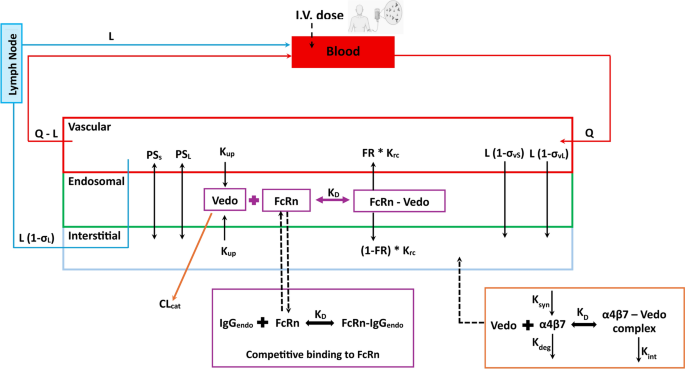
Vedolizumab blood levels can vary with disease activity; a model that links intestinal α4β7 expression to drug exposure helps explain why some patients have lower drug levels and may need different dosing. This could...

Read Summary
Optimised mesalazine therapy reduces ulcerative colitis recurrence across the mild-to-moderate disease spectrum: the IMPACT study
Frontiers in Gastroenterology

Optimised mesalazine therapy reduces ulcerative colitis recurrence across the mild-to-moderate disease spectrum: the IMPACT study

Higher, optimised doses of prolonged-release mesalazine were linked with fewer clinical recurrences over 12 months in adults with mild-to-moderate UC, which could influence treatment decisions about mesalazine dose and...

Read Summary
Quince Gel Attenuates Experimental Ulcerative Colitis Through Antioxidant, Anti-Inflammatory and Mucosal Repair Mechanisms: Integrated Histopathological, Bioinformatic and Molecular Docking Analyses
Pharmaceuticals

Quince Gel Attenuates Experimental Ulcerative Colitis Through Antioxidant, Anti-Inflammatory and Mucosal Repair Mechanisms: Integrated Histopathological, Bioinformatic and Molecular Docking Analyses

This preclinical study suggests quince gel reduced inflammation, oxidative stress, and tissue injury in a rat model of ulcerative colitis and identifies quercetin as a likely active component. Findings point to possible...

Read Summary
Preclinical and limited clinical evidence for metformin in ulcerative colitis: a systematic review and meta-analysis
Naunyn-Schmiedeberg's Archives of Pharmacology

Preclinical and limited clinical evidence for metformin in ulcerative colitis: a systematic review and meta-analysis

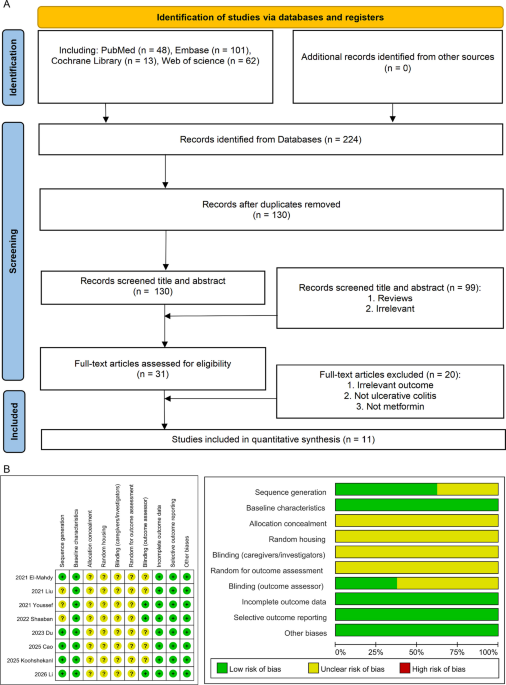
Metformin is a common, inexpensive drug with possible anti-inflammatory effects; this review compiles preclinical and early clinical data suggesting it might influence ulcerative colitis biology. Readers may want to know...

Read Summary
Benzoylpaeoniflorin regulates macrophage polarization via the RNF31-DPEP2 axis to ameliorate intestinal mucosal barrier damage in ulcerative colitis.
International immunopharmacology

Benzoylpaeoniflorin regulates macrophage polarization via the RNF31-DPEP2 axis to ameliorate intestinal mucosal barrier damage in ulcerative colitis.

This preclinical study identifies benzoylpaeoniflorin (BPF) as a compound that improved experimental colitis in mice by changing macrophage polarization via the RNF31–DPEP2–NF-κB pathway. It highlights a possible...

Read Summary
Is hemorrhoidal surgery really unsafe in inflammatory bowel disease? Results from the HEAD-IBD multicenter study on behalf of IG-IBD
Techniques in Coloproctology

Is hemorrhoidal surgery really unsafe in inflammatory bowel disease? Results from the HEAD-IBD multicenter study on behalf of IG-IBD

People with IBD and their clinicians often worry that anorectal surgery like hemorrhoidectomy could cause complications, flares, or loss of continence. This study suggests that, in a selected multicenter European cohort,...

Read Summary
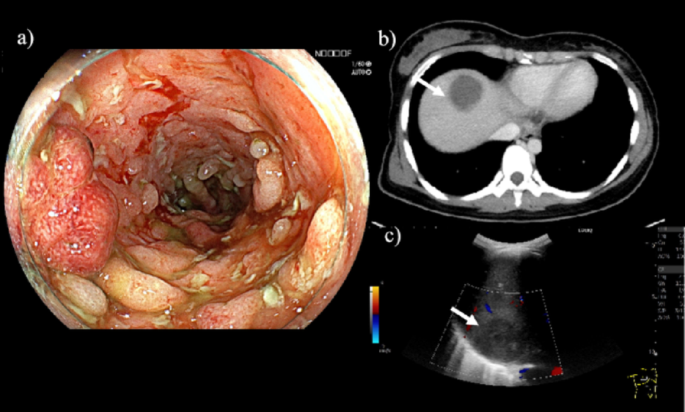
Successful transition to mirikizumab following hepatic abscess during adalimumab therapy in a patient with ulcerative colitis
Clinical Journal of Gastroenterology

Successful transition to mirikizumab following hepatic abscess during adalimumab therapy in a patient with ulcerative colitis

If a serious infection occurs while on an anti‑TNF drug, patients and clinicians face difficult decisions about when and whether to restart biologic therapy. This case shows one example where switching to mirikizumab...

Read Summary
Automated assessment of the ulcerative colitis endoscopic index of severity using a multi-task deep learning model
Scientific Reports

Automated assessment of the ulcerative colitis endoscopic index of severity using a multi-task deep learning model

Automated, consistent scoring of the UCEIS could reduce subjectivity and variability in endoscopic assessment of ulcerative colitis, which matters for clinical trials, central reading, and potentially treatment decisions...

Read Summary
Early Symptomatic Improvement Is Informing Long-Term Quality-of-Life Outcomes with Filgotinib Treatment in Ulcerative Colitis: A Post Hoc Analysis of the SELECTION and SELECTIONLTE Trials.
Inflammatory intestinal diseases

Early Symptomatic Improvement Is Informing Long-Term Quality-of-Life Outcomes with Filgotinib Treatment in Ulcerative Colitis: A Post Hoc Analysis of the SELECTION and SELECTIONLTE Trials.

Early symptomatic improvement on filgotinib may predict longer-term gains in disease-specific quality-of-life for people with ulcerative colitis, which could help patients and clinicians set expectations during...

Read Summary
Scleroglucan ameliorates dextran sulfate sodium-induced ulcerative colitis and gut microbiota dysbiosis in mice.
International journal of biological macromolecules

Scleroglucan ameliorates dextran sulfate sodium-induced ulcerative colitis and gut microbiota dysbiosis in mice.

The study identifies a fungal β-glucan that reduced inflammation and altered the gut microbiome and short-chain fatty acids in a mouse model of ulcerative colitis, which could inform future nutritional or therapeutic...

Read Summary
Exploratory Risk Patterns of Steroid Dependency in Ulcerative Colitis: A Multicenter Pilot Study Combining Logistic Regression and Self-Organizing Map Analysis.
Inflammatory intestinal diseases

Exploratory Risk Patterns of Steroid Dependency in Ulcerative Colitis: A Multicenter Pilot Study Combining Logistic Regression and Self-Organizing Map Analysis.

Steroid dependency affects many people with ulcerative colitis and can change long-term treatment plans. This study explores clinical factors and uses an AI clustering method to visualize different risk patterns, which...

Read Summary
Specific carbohydrate diet versus Mediterranean diet in adult patients with mild to moderate ulcerative colitis: a randomized controlled-feeding trial.
Frontiers in nutrition

Specific carbohydrate diet versus Mediterranean diet in adult patients with mild to moderate ulcerative colitis: a randomized controlled-feeding trial.

Many people with UC try dietary changes to manage symptoms. This randomized pilot trial directly compared two popular diets and did not find a clear difference in symptom improvement, but high dropout limits confidence.

Read Summary
Persistent disease burden despite advanced therapies in inflammatory bowel disease: a real-world patient-reported survey from Greece.
Frontiers in immunology

Persistent disease burden despite advanced therapies in inflammatory bowel disease: a real-world patient-reported survey from Greece.

Many people with IBD still experience active disease, poor quality of life, work impairment, and depression even while on advanced therapies — highlighting gaps in how we measure and manage treatment success. Who this...

Read Summary
Data-driven subphenotyping uncovers ulcerative colitis subtype with high risk for relapse in Japan: a prospective multicenter cohort study
The Lancet Regional Health - Western Pacific

Data-driven subphenotyping uncovers ulcerative colitis subtype with high risk for relapse in Japan: a prospective multicenter cohort study

The study suggests quality-of-life and patient-reported measures can reveal a subgroup of UC patients in clinical remission who nevertheless have higher relapse risk, which could help personalize monitoring and care.

Read Summary
Mycobacterium tuberculosis PPE2 protein-derived peptide ameliorates DSS-induced colitis by depleting mast cells
iScience

Mycobacterium tuberculosis PPE2 protein-derived peptide ameliorates DSS-induced colitis by depleting mast cells

This mouse study identifies a novel peptide that reduced DSS-induced colitis and points to mast cells and fibroblast–mast cell interactions as potential therapeutic targets. It also showed additive benefit when combined...

Read Summary