All topics

Research and clinical trials

Clinical trials, biomarkers, microbiome, genetics, AI, basic science, and emerging IBD research.

Page 37 of 65 · 3116 articles

Dimethyl itaconate attenuates dextran sulfate sodium-induced ulcerative colitis in BALB/c mice: investigations on the TXNIP/NLRP3 inflammasome signaling pathway
Inflammopharmacology

Dimethyl itaconate attenuates dextran sulfate sodium-induced ulcerative colitis in BALB/c mice: investigations on the TXNIP/NLRP3 inflammasome signaling pathway

Based on the title and source metadata, this appears to be a basic science related to Ulcerative colitis, Inflammatory bowel disease, and Research and clinical trials. The original article is from Inflammopharmacology.
Read Summary
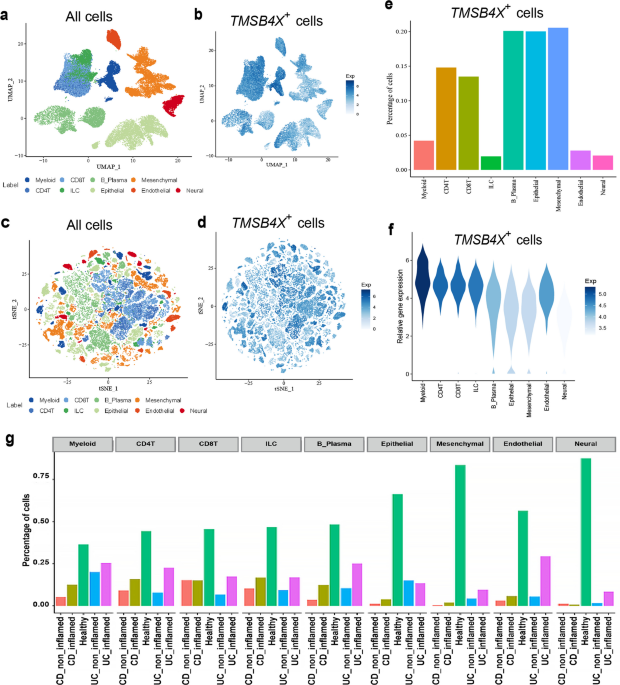
Recombinant human Thymosin β4 ameliorates experimental colitis and intestinal fibrosis through suppression of mineralocorticoid receptor signaling
Molecular Biomedicine

Recombinant human Thymosin β4 ameliorates experimental colitis and intestinal fibrosis through suppression of mineralocorticoid receptor signaling

This preclinical study identifies Thymosin β4 as a protective factor in intestinal inflammation and fibrosis and suggests rhTβ4 could be explored as a new therapeutic approach for IBD by targeting mineralocorticoid...

Read Summary
Disrupted terminal bilirubin catabolism links Lachnospiraceae depletion to inflammatory bowel disease
Frontiers in Microbiology

Disrupted terminal bilirubin catabolism links Lachnospiraceae depletion to inflammatory bowel disease

Identifies specific gut bacteria and fecal bilirubin metabolites that may link microbial loss to increased oxidative burden in IBD; suggests new biomarker candidates and targets for functional follow-up.

Read Summary
Shifting Acute Severe Ulcerative Colitis Away from the Hospital: A Pilot Randomized Trial of Outpatient ASUC Management
NIH RePORTER

Shifting Acute Severe Ulcerative Colitis Away from the Hospital: A Pilot Randomized Trial of Outpatient ASUC Management

This pilot tests whether some patients with acute severe ulcerative colitis could avoid hospitalization by using early oral JAK inhibitor therapy plus steroids with close remote monitoring — a change that could reduce...

Read Summary
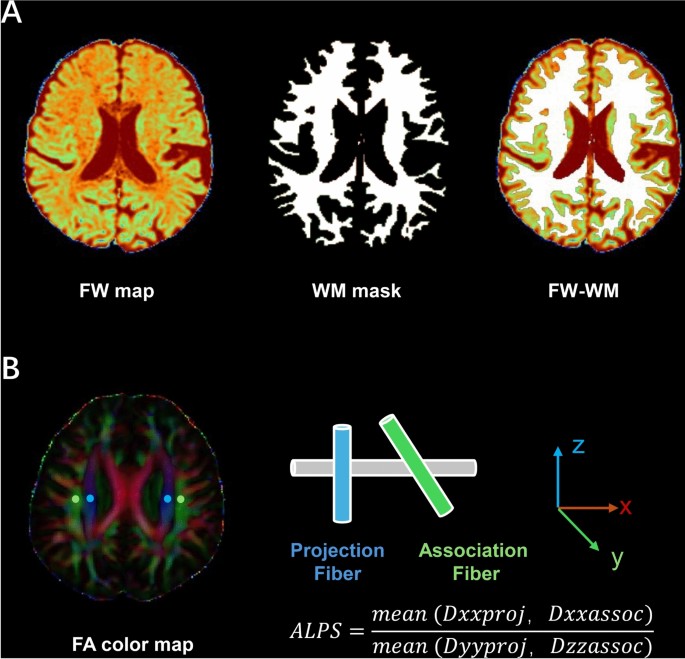
Multimodal MRI reveals glymphatic system activity associated with systemic inflammation and neuropsychiatric symptoms in Crohn’s disease
Journal of Gastroenterology

Multimodal MRI reveals glymphatic system activity associated with systemic inflammation and neuropsychiatric symptoms in Crohn’s disease

This study suggests brain glymphatic function — a fluid-clearance system — may be altered in people with Crohn’s disease and could relate to inflammation and common neuropsychiatric symptoms like fatigue, anxiety,...

Read Summary
Oral probiotic delivery-based therapeutic strategies for inflammatory bowel disease.
Asian journal of pharmaceutical sciences

Oral probiotic delivery-based therapeutic strategies for inflammatory bowel disease.

People with IBD may be interested because probiotics are being explored as a safer, non-immunosuppressive approach to help modulate gut microbiota and reduce inflammation, but effective oral delivery remains a key...

Read Summary
Enzyme/Reactive Oxygen Species-Dually Activated Hyaluronic Acid Nanocarriers Enable Celastrol Delivery for Site-Specific Therapy of Inflammatory Bowel Diseases and Colorectal Cancer.
International journal of nanomedicine

Enzyme/Reactive Oxygen Species-Dually Activated Hyaluronic Acid Nanocarriers Enable Celastrol Delivery for Site-Specific Therapy of Inflammatory Bowel Diseases and Colorectal Cancer.

The study reports a targeted nanoparticle designed to deliver celastrol selectively to inflamed intestinal tissue and colorectal tumors, which could—if translated successfully—address limitations of oral celastrol and...

Read Summary
Chemical characterization of aconite polysaccharide and its ameliorative effect on ulcerative colitis by regulating gut microbiota and THDCA-driven TGR5/cAMP/PKA/NLRP3 pathway.
Journal of pharmaceutical analysis

Chemical characterization of aconite polysaccharide and its ameliorative effect on ulcerative colitis by regulating gut microbiota and THDCA-driven TGR5/cAMP/PKA/NLRP3 pathway.

This research suggests a new, preclinical microbiome- and metabolite-based pathway (APA-1 → THDCA → TGR5/cAMP/PKA → NLRP3) that reduced inflammation in a mouse model of ulcerative colitis, which could guide future...

Read Summary
Bridging the Pregnancy Knowledge Gap: A Real-World Analysis of Medication Use and Drug-Drug Interaction Risk in Crohn's Disease and Multiple Sclerosis.
Clinical and translational science

Bridging the Pregnancy Knowledge Gap: A Real-World Analysis of Medication Use and Drug-Drug Interaction Risk in Crohn's Disease and Multiple Sclerosis.

Pregnant people with Crohn’s disease are often prescribed disease‑modifying therapies, yet clinical trial data in pregnancy are limited. Understanding real‑world medication use and potential drug–drug interactions helps...

Read Summary
A scalable microarrayed organoid platform for precision modeling of intestinal epithelial damage and recovery.
Cell reports methods

A scalable microarrayed organoid platform for precision modeling of intestinal epithelial damage and recovery.

An organoid platform that models epithelial injury and recovery could help researchers test treatments and biomarkers more precisely and at scale, accelerating work relevant to Crohn’s disease and other IBDs.

Read Summary
Continued concomitant antibiotic or immunosuppression therapies reduce the risk of pouchitis among patients with ileal pouch-anal anastomosis and primary sclerosing cholangitis.
Crohn's & colitis 360

Continued concomitant antibiotic or immunosuppression therapies reduce the risk of pouchitis among patients with ileal pouch-anal anastomosis and primary sclerosing cholangitis.

Patients with ulcerative colitis and PSC face higher risk of pouch inflammation after IPAA. The study reports fewer pouchitis events among the small group who received antibiotics or immunosuppression, which could...

Read Summary
The impact of ustekinumab and tumor necrosis factor antagonists on extraintestinal manifestations of Crohn's disease: a systematic review and meta-analysis.
Frontiers in pharmacology

The impact of ustekinumab and tumor necrosis factor antagonists on extraintestinal manifestations of Crohn's disease: a systematic review and meta-analysis.

Extraintestinal symptoms such as fatigue and joint pain significantly affect quality of life in Crohn's disease. This review suggests ustekinumab may help reduce fatigue and arthritis/arthralgia more than TNF antagonists...

Read Summary
Plasma Proteomic Profiling Identifies Biomarkers and Therapeutic Targets for Predicting Osteoporosis Risk in Patients with Inflammatory Bowel Disease.
The Turkish journal of gastroenterology : the official journal of Turkish Society of Gastroenterology

Plasma Proteomic Profiling Identifies Biomarkers and Therapeutic Targets for Predicting Osteoporosis Risk in Patients with Inflammatory Bowel Disease.

IBD increases risk of osteoporosis; identifying blood proteins that predict later bone loss could help flag higher-risk patients and reveal biological links between gut inflammation and bone health.

Read Summary
Lactobacillus brevis ZFM820 modulates intestinal ecological sulfur homeostasis to alleviate Desulfovibrio-driven colitis.
Food & function

Lactobacillus brevis ZFM820 modulates intestinal ecological sulfur homeostasis to alleviate Desulfovibrio-driven colitis.

The study suggests a new probiotic strategy that targets both microbial H2S production and host detoxification pathways — processes implicated in some IBD-related dysbiosis — which could inform future microbiome-directed...

Read Summary
Upadacitinib effectively suppresses IL13RA2 expression in primary human intestinal fibroblasts derived from Crohn's disease tissue.
Biochemical pharmacology

Upadacitinib effectively suppresses IL13RA2 expression in primary human intestinal fibroblasts derived from Crohn's disease tissue.

The study identifies a cellular mechanism (JAK1-STAT6 pathway) by which upadacitinib can lower IL13RA2 — a molecule tied to inflammation and anti-TNF resistance — which could help explain how JAK inhibitors work in IBD...

Read Summary
Early life exposures association with later diagnosis of spondyloarthritis: A population-based case-control study.
The Journal of rheumatology

Early life exposures association with later diagnosis of spondyloarthritis: A population-based case-control study.

If confirmed, the results suggest early-life exposures that perturb the gut microbiome may influence later risk of spondyloarthritis, which could be relevant for parents and clinicians weighing risks and benefits of...

Read Summary
Targeted delivery of nebivolol via lactoferrin-modified liposomes inhibits NEK7-mediated pyroptosis to ameliorate inflammatory bowel disease.
Free radical biology & medicine

Targeted delivery of nebivolol via lactoferrin-modified liposomes inhibits NEK7-mediated pyroptosis to ameliorate inflammatory bowel disease.

This preclinical work suggests a new mechanism (NEK7 inhibition) and a colon-targeted formulation of an existing drug could reduce inflammatory cell death in IBD models—an approach that might lead to future therapies...

Read Summary
Multiple paths to health: A scoping review of dietary interventions for adults with Crohn's disease and ulcerative colitis.
Therapeutic advances in gastroenterology

Multiple paths to health: A scoping review of dietary interventions for adults with Crohn's disease and ulcerative colitis.

Many people with IBD try dietary changes to manage symptoms. This review summarizes what published adult studies report and points toward whole-food and Mediterranean-style patterns as commonly supported approaches.

Read Summary
Neonatal fc receptor (fcrn) inhibition and the implications for inflammatory bowel disease and co-existing immune-mediated diseases.
Expert review of gastroenterology & hepatology

Neonatal fc receptor (fcrn) inhibition and the implications for inflammatory bowel disease and co-existing immune-mediated diseases.

Cure8 found this source from Expert review of gastroenterology & hepatology, but the page could not be read reliably yet. It is tagged for Inflammatory bowel disease and Research and clinical trials. Open the original...

Read Summary
Relative abundance of a gut-derived Lancefieldella parvula strain is associated with severe inflammation in IBD
Gut Pathogens

Relative abundance of a gut-derived Lancefieldella parvula strain is associated with severe inflammation in IBD

If confirmed, a gut-derived strain of Lancefieldella parvula that rises with local inflammation could become a mucosal biomarker to help track disease severity or study inflammation mechanisms in IBD.

Read Summary
Isolated Mild Hyperemia Identified by Intestinal Ultrasound Is Associated With Adverse Outcomes in Inflammatory Bowel Disease
JCC Plus

Isolated Mild Hyperemia Identified by Intestinal Ultrasound Is Associated With Adverse Outcomes in Inflammatory Bowel Disease

If intestinal ultrasound shows mild isolated hyperemia even with normal bowel wall thickness, this study found a higher chance of treatment changes, steroid use, surgery, or hospitalization within a year — information...

Read Summary
Fatigue in inflammatory bowel disease beyond intestinal inflammation: A cross-sectional study.
Journal of psychosomatic research

Fatigue in inflammatory bowel disease beyond intestinal inflammation: A cross-sectional study.

Fatigue is common and disabling for people with IBD; this study shows that factors beyond intestinal inflammation—especially central sensitization and psychological symptoms—explain much of fatigue. That means treating...

Read Summary
Suppressing FUT8 with a Novel Small Molecule Inhibitor Ameliorates Inflammation in Murine T Cell-mediated Colitis Models.
Cellular and molecular gastroenterology and hepatology

Suppressing FUT8 with a Novel Small Molecule Inhibitor Ameliorates Inflammation in Murine T Cell-mediated Colitis Models.

This study identifies FUT8, an enzyme that adds core fucose to N-glycans, as a possible new target to reduce pro-inflammatory T-cell responses in IBD. For people with IBD, new mechanisms in preclinical research may...

Read Summary
Long-Term Effectiveness and Persistence of Ustekinumab in Crohn's Disease Patients: An Observational Retrospective Study.
Journal of clinical medicine

Long-Term Effectiveness and Persistence of Ustekinumab in Crohn's Disease Patients: An Observational Retrospective Study.

Ustekinumab is already approved for moderate-to-severe Crohn's disease; this real-world study reports encouraging longer-term clinical, biological, and endoscopic outcomes up to 96 weeks and suggests good treatment...

Read Summary
Microbial metabolic memory in inflammatory bowel disease: microbiota-derived metabolites, host-microbe reprogramming, and relapse susceptibility.
Frontiers in microbiology

Microbial metabolic memory in inflammatory bowel disease: microbiota-derived metabolites, host-microbe reprogramming, and relapse susceptibility.

This review may help patients and clinicians understand how long-lasting changes in bacterial metabolism could contribute to IBD relapse and point toward future microbiome-targeted therapies aimed at restoring resilient...

Read Summary
Methylglyoxal Attenuates Mycobacterium avium subspecies paratuberculosis (MAP)-Induced Pro-Inflammatory Macrophage Programming Associated with NRF-2 Antioxidant Responses and Reduced MCT4/Lactate-Linked Inflammatory Markers.
International journal of molecular sciences

Methylglyoxal Attenuates Mycobacterium avium subspecies paratuberculosis (MAP)-Induced Pro-Inflammatory Macrophage Programming Associated with NRF-2 Antioxidant Responses and Reduced MCT4/Lactate-Linked Inflammatory Markers.

This study explores a potential mechanism linking a MAP infection model to inflammatory and metabolic pathways relevant to Crohn’s disease and tests whether methylglyoxal can lessen inflammatory programming in...

Read Summary
Single-cell and spatial transcriptomics across populations with perianal fistulizing Crohn's disease shows pro-inflammatory CD4+ macrophage involvement in disease progression.
Cellular and molecular gastroenterology and hepatology

Single-cell and spatial transcriptomics across populations with perianal fistulizing Crohn's disease shows pro-inflammatory CD4+ macrophage involvement in disease progression.

The study points to a specific immune cell type (pro-inflammatory CD4+ macrophages) and altered cellular interactions in rectal tissue that are linked to perianal fistulizing Crohn's disease, which may help explain...

Read Summary
Exploration of novel costunolide derivatives bearing indole/indoline as anti-ulcerative colitis agents by targeting JAK2-STAT3 pathways.
Bioorganic chemistry

Exploration of novel costunolide derivatives bearing indole/indoline as anti-ulcerative colitis agents by targeting JAK2-STAT3 pathways.

This study reports early-stage lab and mouse evidence for new small molecules that target the JAK2–STAT3 immune signaling pathway, a pathway relevant to inflammation in ulcerative colitis. If findings are confirmed in...

Read Summary

A microbiota-responsive polyfunctional cytotoxic CD4+ T-cell state promotes mucosal inflammation in ulcerative colitis

The study describes a microbiota-responsive cytotoxic CD4+ T‑cell state that associates with worse mucosal inflammation and reduced response to common biologic therapies in ulcerative colitis, suggesting a possible...

Read Summary