Research topics

Microbiome

Microbiome articles covering gut bacteria, microbial changes, microbiota research, and IBD disease mechanisms.

Page 8 of 12 · 570 articles

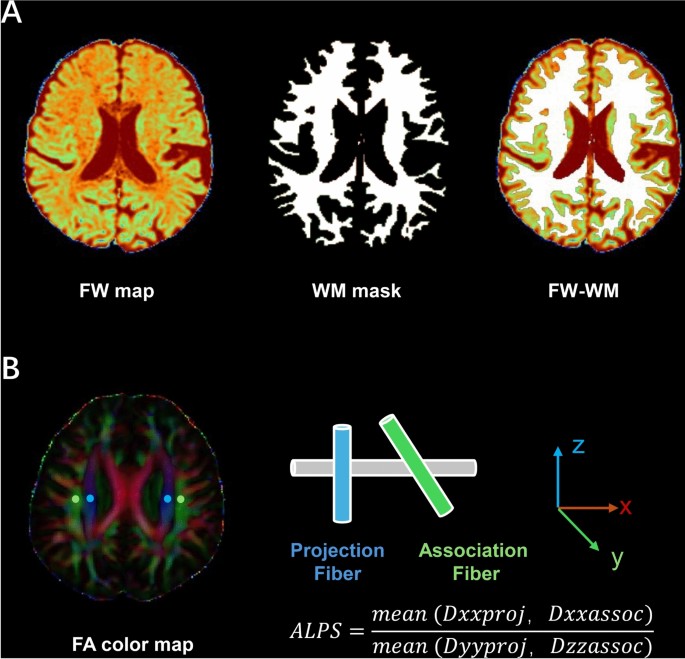
Multimodal MRI reveals glymphatic system activity associated with systemic inflammation and neuropsychiatric symptoms in Crohn’s disease
Journal of Gastroenterology

Multimodal MRI reveals glymphatic system activity associated with systemic inflammation and neuropsychiatric symptoms in Crohn’s disease

This study suggests brain glymphatic function — a fluid-clearance system — may be altered in people with Crohn’s disease and could relate to inflammation and common neuropsychiatric symptoms like fatigue, anxiety,...

Read Summary
Oral probiotic delivery-based therapeutic strategies for inflammatory bowel disease.
Asian journal of pharmaceutical sciences

Oral probiotic delivery-based therapeutic strategies for inflammatory bowel disease.

People with IBD may be interested because probiotics are being explored as a safer, non-immunosuppressive approach to help modulate gut microbiota and reduce inflammation, but effective oral delivery remains a key...

Read Summary
Chemical characterization of aconite polysaccharide and its ameliorative effect on ulcerative colitis by regulating gut microbiota and THDCA-driven TGR5/cAMP/PKA/NLRP3 pathway.
Journal of pharmaceutical analysis

Chemical characterization of aconite polysaccharide and its ameliorative effect on ulcerative colitis by regulating gut microbiota and THDCA-driven TGR5/cAMP/PKA/NLRP3 pathway.

This research suggests a new, preclinical microbiome- and metabolite-based pathway (APA-1 → THDCA → TGR5/cAMP/PKA → NLRP3) that reduced inflammation in a mouse model of ulcerative colitis, which could guide future...

Read Summary
Early life exposures association with later diagnosis of spondyloarthritis: A population-based case-control study.
The Journal of rheumatology

Early life exposures association with later diagnosis of spondyloarthritis: A population-based case-control study.

If confirmed, the results suggest early-life exposures that perturb the gut microbiome may influence later risk of spondyloarthritis, which could be relevant for parents and clinicians weighing risks and benefits of...

Read Summary
Microbial metabolic memory in inflammatory bowel disease: microbiota-derived metabolites, host-microbe reprogramming, and relapse susceptibility.
Frontiers in microbiology

Microbial metabolic memory in inflammatory bowel disease: microbiota-derived metabolites, host-microbe reprogramming, and relapse susceptibility.

This review may help patients and clinicians understand how long-lasting changes in bacterial metabolism could contribute to IBD relapse and point toward future microbiome-targeted therapies aimed at restoring resilient...

Read Summary

A microbiota-responsive polyfunctional cytotoxic CD4+ T-cell state promotes mucosal inflammation in ulcerative colitis

The study describes a microbiota-responsive cytotoxic CD4+ T‑cell state that associates with worse mucosal inflammation and reduced response to common biologic therapies in ulcerative colitis, suggesting a possible...

Read Summary
Ingestible Hydrogel-Encapsulated Optogenetic Yeast Controlled by Wearable Electronics Enables Programmable IL-10 Delivery for Inflammatory Bowel Disease Therapy.
ACS applied materials & interfaces

Ingestible Hydrogel-Encapsulated Optogenetic Yeast Controlled by Wearable Electronics Enables Programmable IL-10 Delivery for Inflammatory Bowel Disease Therapy.

This work explores a novel, programmable way to deliver anti-inflammatory protein therapy (IL-10) directly in the gut using engineered yeast and wearable electronics. If further developed and translated, it could offer a...

Read Summary
Vitamin D and Intestinal Diseases: Impact on Intestinal Immunity and Gut Barrier Function
Diseases

Vitamin D and Intestinal Diseases: Impact on Intestinal Immunity and Gut Barrier Function

Vitamin D appears linked to immune regulation, gut barrier health, and the microbiome—processes relevant to IBD and other intestinal disorders. Understanding this could affect how clinicians monitor and study vitamin D...

Read Summary
Integrated Multi-Omics Analysis of Antarctica Krill Oil in Alleviating DSS-Induced Colitis and Modulating Gut Microbiota in Mice
Marine Drugs

Integrated Multi-Omics Analysis of Antarctica Krill Oil in Alleviating DSS-Induced Colitis and Modulating Gut Microbiota in Mice

This animal study suggests Antarctic krill oil may reduce inflammation and weight loss in a mouse model of ulcerative colitis and works alongside changes in gut microbiota and metabolites—findings that could inform...

Read Summary
Ecological assembly of mucosal and fecal microbiomes in ulcerative colitis across genes, functions, and species
Frontiers in Microbiology

Ecological assembly of mucosal and fecal microbiomes in ulcerative colitis across genes, functions, and species

This paper offers a multi-layered ecological perspective on UC-associated microbiome changes that could help researchers identify which microbial functions or taxa are driven more by random processes versus selection in...

Read Summary
Rice bran extract ameliorates experimental colitis by modulating gut dysbiosis and toll-like receptor 4/nuclear factor kappa β signaling.
Indian journal of pharmacology

Rice bran extract ameliorates experimental colitis by modulating gut dysbiosis and toll-like receptor 4/nuclear factor kappa β signaling.

The study suggests a rice bran extract might reduce colitis severity in rats by shifting gut microbiota and dampening TLR4/NF-κB–driven inflammation, a pathway relevant to human IBD research.

Read Summary
Rapid fecal lipidome profiling in inflammatory bowel disease: A novel approach for exploratory disease molecular characterization and therapeutic monitoring.
Journal of pharmaceutical and biomedical analysis

Rapid fecal lipidome profiling in inflammatory bowel disease: A novel approach for exploratory disease molecular characterization and therapeutic monitoring.

Non-invasive fecal lipid markers could help differentiate UC from CD and improve diagnostic molecular profiling in IBD if validated, which may be useful for patients and clinicians seeking less-invasive diagnostic tools.

Read Summary
Profiling Systemic IgG-Targeted Gut Microbiota Reveals Disease Activity–Associated Bacterial Signatures in Ulcerative Colitis
MDPI AG

Profiling Systemic IgG-Targeted Gut Microbiota Reveals Disease Activity–Associated Bacterial Signatures in Ulcerative Colitis

This study suggests that specific gut bacteria targeted by systemic IgG are associated with UC activity and inflammation, which could eventually help identify microbial signals linked to flares or systemic inflammation.

Read Summary
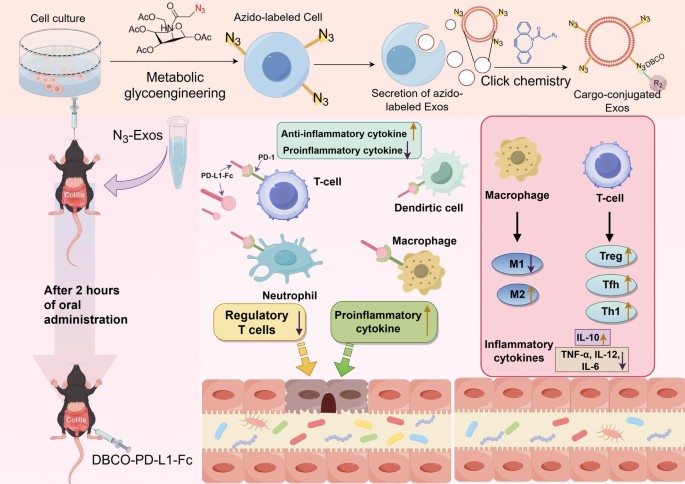
Metabolic glycoengineered exosomes enable in situ PD-L1-Fc assembly for targeted immunotherapy in ulcerative colitis
Journal of Nanobiotechnology

Metabolic glycoengineered exosomes enable in situ PD-L1-Fc assembly for targeted immunotherapy in ulcerative colitis

This study presents a targeted immunotherapy approach designed to concentrate an immune‑modulating protein (PD‑L1‑Fc) in the inflamed colon, which could in future reduce systemic side effects of biologic immunomodulators...

Read Summary
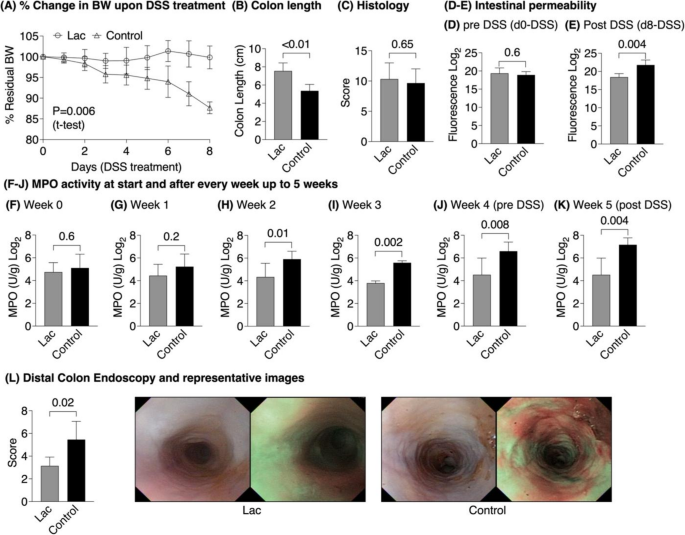
Lactobacillus plantarum Attenuates Intestinal Inflammation and Prolongs Remission in Experimental Models of Crohn’s Disease
Probiotics and Antimicrobial Proteins

Lactobacillus plantarum Attenuates Intestinal Inflammation and Prolongs Remission in Experimental Models of Crohn’s Disease

The study suggests a probiotic strain (Lactobacillus plantarum) reduced inflammation and prolonged remission in multiple mouse models of Crohn’s-like disease, indicating microbiome-based approaches might be promising to...

Read Summary
Surfactant-tailored alginate/pectin hydrogel beads delivering polydeoxyribonucleotide for inflammatory symptom alleviation and gut microbiota regulation.
International journal of biological macromolecules

Surfactant-tailored alginate/pectin hydrogel beads delivering polydeoxyribonucleotide for inflammatory symptom alleviation and gut microbiota regulation.

New targeted-delivery research could lead to treatments that reduce gut inflammation while also shifting the microbiome — both relevant to IBD management. However, this report is preclinical and does not mean the therapy...

Read Summary
Cross-Disease Microbiome Signatures Associated with Autoimmune Disorders: A Comparative Meta-Analysis of Public Sequencing Datasets
Europe PMC

Cross-Disease Microbiome Signatures Associated with Autoimmune Disorders: A Comparative Meta-Analysis of Public Sequencing Datasets

Shared gut microbiome shifts across autoimmune diseases could suggest common microbial factors relevant to immune regulation and might eventually inform diagnostics or therapies relevant to people with IBD.

Read Summary
Global gut microbiome atlas identifies epidemiologic-stage-specific signatures in inflammatory bowel disease.
Cell reports. Medicine

Global gut microbiome atlas identifies epidemiologic-stage-specific signatures in inflammatory bowel disease.

This study links population-level IBD epidemiology to gut microbiome changes and proposes a microbial risk score that might help detect or surveil IBD patterns. That could inform future biomarker development or...

Read Summary
The Aloe vera polysaccharides in inflammatory bowel disease: An ethnopharmacological review on the mechanisms of intestinal barrier repair and immunomodulation.
Journal of ethnopharmacology

The Aloe vera polysaccharides in inflammatory bowel disease: An ethnopharmacological review on the mechanisms of intestinal barrier repair and immunomodulation.

This review suggests Aloe vera polysaccharides could support gut barrier repair, microbiome balance, and immune regulation—mechanisms relevant to IBD inflammation and healing. However, evidence is mainly preclinical and...

Read Summary
Nanomaterial-based modulation of inflammatory and cytokine networks for precision therapy in inflammatory bowel disease.
International journal of pharmaceutics

Nanomaterial-based modulation of inflammatory and cytokine networks for precision therapy in inflammatory bowel disease.

Nanotechnology approaches aim to improve how cytokine-targeting therapies are delivered in IBD, which could reduce systemic exposure and immunogenicity and increase local effectiveness.

Read Summary
Bioactive Metal-Phenolic Network and Prebiotic Hydrogel Synergize with Mesenchymal stem cell-derived extracellular vesicles for Microenvironment-Modulating Therapy of Inflammatory Bowel Disease
Europe PMC

Bioactive Metal-Phenolic Network and Prebiotic Hydrogel Synergize with Mesenchymal stem cell-derived extracellular vesicles for Microenvironment-Modulating Therapy of Inflammatory Bowel Disease

The study describes a novel oral delivery system that both protects stem-cell-derived extracellular vesicles and actively modifies the gut environment, which could point to new microenvironment-targeted IBD therapies.

Read Summary
Transfer of FRozen Encapsulated Multidonor Stool Filtrate for Active Ulcerative COlitis
ClinicalTrials.gov

Transfer of FRozen Encapsulated Multidonor Stool Filtrate for Active Ulcerative COlitis

Faecal microbiota transfer is being tested in a large Phase 3 trial as a possible new treatment approach for active ulcerative colitis, and this study also looks at safety and how the therapy changes the gut microbiome...

Read Summary
Sodium Butyrate Therapy in Ulcerative Colitis: A Systematic Review of Preclinical and Clinical Evidence
Medical Sciences

Sodium Butyrate Therapy in Ulcerative Colitis: A Systematic Review of Preclinical and Clinical Evidence

This review pools available human and animal studies on sodium butyrate for ulcerative colitis and highlights promising signals—especially for oral microencapsulated formulations—while noting that clinical evidence is...

Read Summary
Probiotic extracellular vesicles loaded with multifunctional nanozymes for inflammatory bowel disease treatment
Springer Science and Business Media LLC

Probiotic extracellular vesicles loaded with multifunctional nanozymes for inflammatory bowel disease treatment

The study explores a novel, combined nanozyme + microbiome-derived vesicle approach aimed at reducing oxidative stress and modulating inflammation in IBD — mechanisms that are relevant to disease pathways and future...

Read Summary
From Multi-Omics to Molecular Causality: A Five-Tier Evidence Framework for the Single-Bacterium–Metabolite Axis in IBD
Microorganisms

From Multi-Omics to Molecular Causality: A Five-Tier Evidence Framework for the Single-Bacterium–Metabolite Axis in IBD

This review organizes and grades causal evidence linking individual gut bacteria, their metabolites, and host pathways in IBD—helping researchers and clinicians see which microbe–metabolite mechanisms are best supported...

Read Summary
Fufang Tongye Shaoshang You repairs ulcerative colitis in mice caused by DSS based on the balanced strategy of "inflammation inhibition-microbiota regulation-mucosa protection".
Journal of ethnopharmacology

Fufang Tongye Shaoshang You repairs ulcerative colitis in mice caused by DSS based on the balanced strategy of "inflammation inhibition-microbiota regulation-mucosa protection".

People with UC may be interested because the study identifies a traditional herbal formulation that reduced disease markers in a mouse model and changed gut microbiota and inflammatory pathways (IL‑17), suggesting...

Read Summary
Engineered perturbations to define B cell entry, competition, and function in intestinal immunity and inflammation
NIH RePORTER

Engineered perturbations to define B cell entry, competition, and function in intestinal immunity and inflammation

Researchers are exploring a way to deliver biologic drugs directly in the gut using engineered B cells that become long-lived plasma cells. If successful, this could allow sustained, localized anti-inflammatory protein...

Read Summary
Cod Skin Collagen Peptides Alleviate Ulcerative Colitis by Regulating Gut Microbiota to Inhibit NLRP3 Inflammasome Activation.
Food science & nutrition

Cod Skin Collagen Peptides Alleviate Ulcerative Colitis by Regulating Gut Microbiota to Inhibit NLRP3 Inflammasome Activation.

This preclinical study links cod skin–derived collagen peptides to reduced colitis severity in mice through changes in the gut microbiota and suppression of the NLRP3 inflammasome — pathways that could be relevant to...

Read Summary
Multi-Omics-Driven Network Pharmacology and Experimental Validation Reveal the Molecular Mechanism of Bupi Yichang Pill in Treating Ulcerative Colitis Through Regulation of the PI3K/Akt/IKK/NF-κB Pathway.
Journal of ethnopharmacology

Multi-Omics-Driven Network Pharmacology and Experimental Validation Reveal the Molecular Mechanism of Bupi Yichang Pill in Treating Ulcerative Colitis Through Regulation of the PI3K/Akt/IKK/NF-κB Pathway.

This study explores a multi-component traditional medicine that the authors report can reduce experimental colitis and modulate inflammatory signaling and the gut microbiome — findings that could guide future preclinical...

Read Summary
Therapeutic application of probiotic extracellular vesicles in inflammatory bowel disease.
Journal of advanced research

Therapeutic application of probiotic extracellular vesicles in inflammatory bowel disease.

People with IBD are often interested in new, less toxic therapies that restore gut health. PEVs are an emerging microbiome-based approach that could one day offer targeted immune and barrier benefits without live...

Read Summary
Montmorillonite@Metal oxide nanocomposites enables multitarget therapy for inflammatory bowel disease treatment.
Journal of advanced research

Montmorillonite@Metal oxide nanocomposites enables multitarget therapy for inflammatory bowel disease treatment.

This study describes a new clay-based nanotherapy that reduced inflammation and oxidative stress in a common mouse model of colitis, suggesting a potential local treatment approach that targets multiple disease...

Read Summary
Oral Edible Zein/Citric Acid Nanocomposite Enables Intestinal Delivery of Resveratrol for Effective Ulcerative Colitis Therapy
Journal of Agricultural and Food Chemistry

Oral Edible Zein/Citric Acid Nanocomposite Enables Intestinal Delivery of Resveratrol for Effective Ulcerative Colitis Therapy

The study presents a new edible nanoparticle that delivers resveratrol to the colon and improved disease markers in a mouse model of ulcerative colitis, which could inform future delivery strategies for plant-derived...

Read Summary