Why Are Gut Issues So Hard to Diagnose? Here’s How to Get Answers—and the Right Treatment
Based on the title and source metadata, this appears to be a patient education related to Tests and monitoring. The original article is from msn.com.
Page 36 of 100 · 4779 patient-friendly summaries
Based on the title and source metadata, this appears to be a patient education related to Tests and monitoring. The original article is from msn.com.
Cure8 could only read part of this source from tradingview.com, so this card uses cautious topic tags instead of a full summary. It is tagged for Crohn's disease, Inflammatory bowel disease, and Research and clinical...
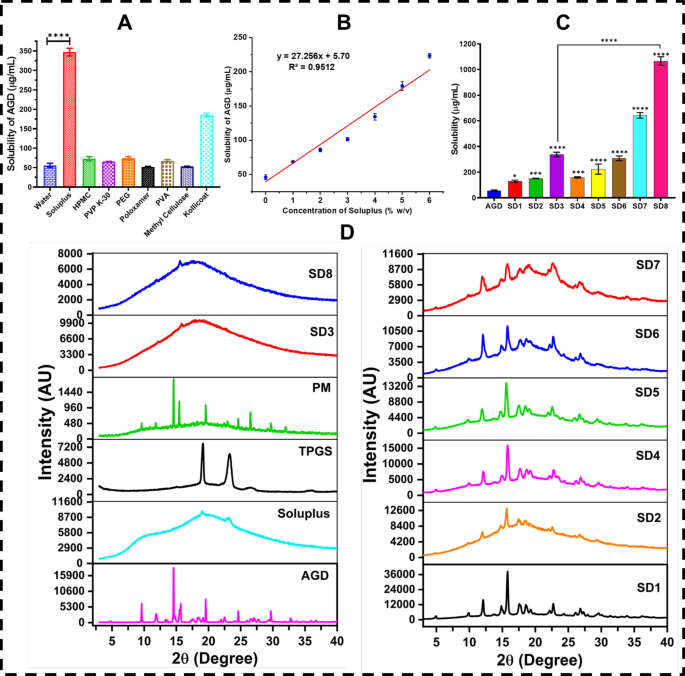
The study reports anti-inflammatory and antioxidant effects of a new andrographolide formulation in a macrophage model relevant to ulcerative colitis, highlighting a potential early-stage therapeutic lead that may...
Sepsis can develop rapidly from routine infections like tonsillitis and is life-threatening; recognizing symptoms and seeking urgent care can be lifesaving.
Based on the title and source metadata, this appears to be an observational study related to Tests and monitoring. The original article is from hmpgloballearningnetwork.com.
People with IBD are often interested in how dietary fibers and the microbiome might influence inflammation.
Clinical trials test new treatments that could become options for people with moderate to severe Crohn’s disease. This sponsor-supported notice also highlights the need for broader representation in research, which...
Based on the title and source metadata, this appears to be a case report related to Crohn's disease, Inflammatory bowel disease, and Procedures and surgery. The original article is from Baylor University Medical Center...
Stress and psychological distress are common in people with IBD and may influence symptoms and inflammation. This trial tests whether an 8‑week MBSR program can improve psychological wellbeing and whether those benefits...
This trial tests standardized encapsulated fecal microbiota products as a microbiome-directed therapy for active Crohn’s disease, focusing on whether donor microbes engraft in the ileum and colon and whether that relates...
Macrophage pyroptosis is increasingly implicated in driving intestinal inflammation and barrier damage in IBD, so understanding it could point to new treatment targets. Patients and clinicians may find this research...
C. difficile can cause or complicate diarrhoea in children with IBD, so understanding test positivity in this group helps clinicians interpret results and decide when to investigate or treat. The study suggests...
Juvenile colorectal polyps in children show strong type 2 inflammatory and epithelial-remodeling programs that could explain links with allergic sensitization and suggest biomarkers and pathways relevant to mucosal...
Malnutrition and growth failure at diagnosis are common in children with IBD—especially Crohn’s—and can indicate higher inflammatory burden. Monitoring and addressing nutrition and growth is important because most...
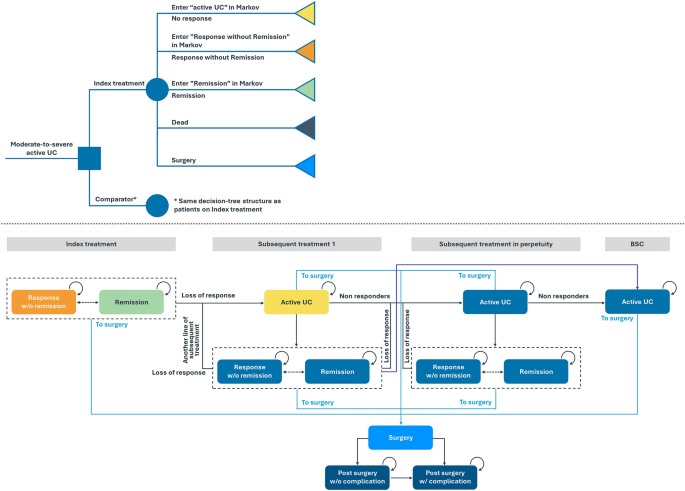
This study models comparative cost-effectiveness across many advanced therapy sequences for moderate–severe ulcerative colitis in Japan; its findings could influence how health systems and clinicians consider first- and...
Nutritional risk, gut inflammation (measured by fecal calprotectin), and depression were linked to worse quality of life in people with IBD. Recognizing and addressing nutrition, inflammation, and mood together could...
This review highlights shared biomarkers and mechanisms between early Crohn's disease and post-operative recurrence, which could improve prediction and lead to preventive strategies for recurrence after surgery.
The paper presents a proof-of-concept immune-based assay to match donors and recipients for FMT in IBD, which could help explain variable FMT outcomes and improve donor selection if validated.
The study identifies a β-glucan → IL-33 → active eosinophil pathway that reduced colitis in a mouse model, suggesting a novel immunomodulatory mechanism that could inform future IBD research.
The study suggests a hidden, early molecular defect that leaves intestinal cells primed to die even during clinical remission, which could help explain why flares recur. Measuring these molecular signals might eventually...
Dysplasia detection during colonoscopy is central to preventing colorectal cancer in people with IBD. AI tools could help, but current models often fail in inflamed or IBD-specific settings, so this review outlines...
Intestinal barrier dysfunction is a likely driver of inflammation and flares in ulcerative colitis, so therapies that restore barrier integrity could help reduce disease activity and recurrence. This review highlights...
The study suggests shared MHC/HLA genetic variants link ulcerative colitis and gastric cancer risk in East Asians, highlighting potential common immune-related susceptibility that could inform research on disease...
Nurse-led, protocolized care can make delivery of complex biologic and small-molecule IBD treatments safer and more consistent.
Older adults with IBD are under-represented in trials, so age-specific benefits and harms of newer oral drugs (JAK inhibitors and S1P modulators) are uncertain. Clinicians and patients may need to weigh efficacy against...
If pre‑treatment biopsy features predict response to ustekinumab, clinicians might better select which UC patients are likely to benefit, potentially avoiding ineffective therapy for some and speeding effective treatment...
Cure8 found this source from youtube.com, but the page could not be read reliably yet. It is tagged for Inflammatory bowel disease, Crohn's disease, and Community and awareness. Open the original article for the full...
Based on the title and source metadata, this appears to be a basic science related to Ulcerative colitis, Inflammatory bowel disease, and Research and clinical trials. The original article is from Biomedical Signal...
People with IBD often worry whether their disease affects fertility or embryo health. This study directly looks at embryo chromosomal normality during IVF and found similar euploidy rates in patients with and without...
Cure8 found this source from Ophthalmology, but the page could not be read reliably yet. It is tagged for Crohn's disease, Inflammatory bowel disease, and Complications. Open the original article for the full details.
The study provides real-world data on ozanimod effectiveness, safety, and how prior biologic exposure (notably vedolizumab) may affect treatment persistence—information relevant for treatment planning in UC.
This mouse study connects fat malabsorption, increased gut permeability, microbiome shifts, and reduced oxalate transport to higher oxalate absorption and kidney injury—mechanisms relevant to enteric hyperoxaluria seen...
Coordinated transition to adult gastroenterology affects continuity of care for children with chronic GI conditions such as IBD; improvements could reduce gaps in treatment and support during young adulthood.
Based on the title and source metadata, this appears to be a patient education related to Inflammatory bowel disease and Pediatrics and family. The original article is from Journal of Pediatric Gastroenterology and...
Researchers are exploring ways to improve cell therapies for IBD by making therapeutic cells produce anti-inflammatory molecules like IL-10. If scalable and safe, non-viral engineering of MSCs could lead to...
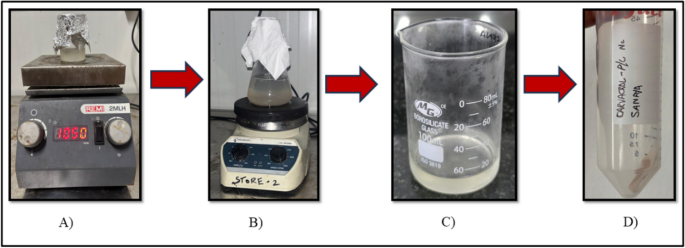
New colon-targeted formulations aim to concentrate treatment where inflammation is in ulcerative colitis, which could increase benefit and reduce systemic side effects. Formulation research like this is an early step...
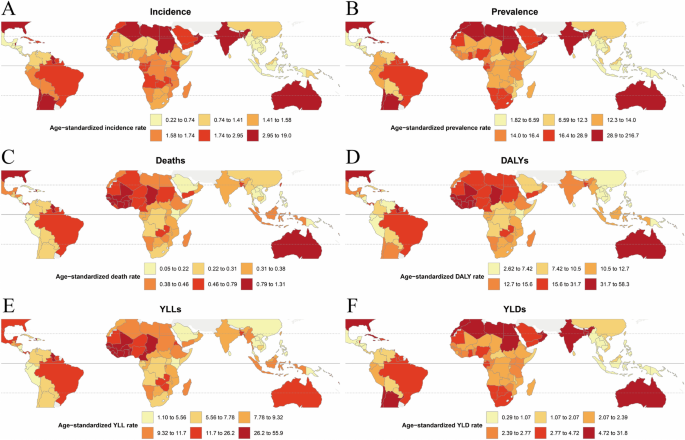
The work links climate and sociodemographic context to IBD burden in tropical regions, which can influence diagnostic recognition, resource needs, and research priorities for communities where IBD is rising.
People with IBD commonly experience anxiety, depression, and other neurological symptoms. Understanding gut–brain axis mechanisms may help explain these comorbidities and point to future treatments.
Automated, quantitative analysis of pathology slides could reduce variability in histological scoring and help track histological healing — a growing therapeutic target in ulcerative colitis.
Patients with CGD can develop an IBD-like condition that is hard to treat because many immunosuppressive drugs raise infection risk. This trial suggests thalidomide may reduce intestinal inflammation in CGD-IBD without...
This project tests whether common nanoplastics that people ingest could damage the gut barrier, alter gut microbes’ estrogen metabolism, and injure enteric nerves — processes that might increase risk or severity of IBD.
Piezo channels appear central to how mechanical signals influence the gut barrier, immunity, and secretion — processes that can affect inflammation and symptoms in IBD, IBS, and colon cancer. Understanding them could...
This study links genetic variation in fatty-acid–desaturase genes with membrane PUFA profiles and inflammatory markers in Crohn’s disease. If replicated, erythrocyte desaturase indices could become integrative biomarkers...
Antibiotic use patterns in hospitalized IBD patients affect infection risks, microbiome impact, resistance pressure, length of stay, and costs. Shifting focus from simple exposure counts to intensity and escalation can...
A controlled trial found low-dose naltrexone did not induce endoscopic or clinical remission in Crohn's disease, but it showed a possible benefit for reducing fatigue. Patients seeking symptom relief without...
Researchers are studying a parasite-derived protein (Fh15) that may reduce neutrophil-driven inflammation in sepsis and ulcerative colitis models; this could point toward new anti-inflammatory drug approaches in the...
Researchers are investigating fungal contributions to IBD-related gut inflammation; understanding fungal persistence mechanisms could eventually inform therapies or diagnostics for dysbiosis-associated worsening of...
Researchers found that nearly all people with UC have high-titer autoantibodies to the epithelial integrin αvβ6 that can precede disease and associate with worse outcomes. Understanding whether and how these antibodies...