Based on the title and source metadata, this appears to be a case report related to Ulcerative colitis and Complications. The original article is from Cureus.
This project investigates how estrogen receptor signaling in intestinal epithelial cells drives sex-specific responses to injury and inflammation that may influence ulcerative colitis risk and progression.
The study links a common dietary compound (oxalate) to worsened intestinal inflammation in IBD and identifies reduced gut oxalate-transport gene activity and microbiome differences as possible mechanisms—findings that...
The study reveals a new mechano-chemical mechanism regulating gut-homing integrin α4β7, which may help explain how lymphocytes home to inflamed intestines in IBD and points to a possible target for anti-adhesion...
Severe UC flares can produce extreme but reversible hyperglycemia that may look like new-onset diabetes, so patients and clinicians should monitor and re-evaluate glucose over time rather than assuming a permanent...
The work highlights a widespread tire-derived contaminant (6PPDQ) that may worsen colitis in a mouse model by disturbing key molecular pathways; this raises questions about whether environmental pollutants could...
If you have isolated perianal fistulizing Crohn’s disease, this large multicenter cohort shows about one-third later developed luminal Crohn’s disease over long-term follow-up, but many did not — underscoring variable...
Imaging found increased visceral fat in children with Crohn's despite normal BMI, which could reveal inflammation-related risk not apparent from weight alone. Visceral adiposity was linked to markers of inflammation and...
Patients with ulcerative colitis may develop advanced neoplasia after seemingly complete endoscopic removal of dysplasia. Detecting genomic alterations in adjacent, histologically normal margins could identify...
This study suggests that cumulative infliximab exposure over time (AUC) — not just trough levels — may predict infection risk in people with IBD. That could affect how clinicians use therapeutic drug monitoring to...
The paper provides genetic evidence that acute pancreatitis and Crohn’s disease share polygenic risk and converge on immune and inflammatory pathways; this may explain some observed comorbidity and points to biological...
Family history of CRC raises an individual’s absolute CRC risk whether or not they have IBD, and people with IBD who have multiple first‑degree relatives with CRC appear to have the largest increase in absolute risk....
Children with newly diagnosed ulcerative colitis in this study commonly had reduced muscle mass (sarcopenia) at diagnosis, and the degree of muscle loss correlated with higher disease activity and inflammation....
This analysis directly addresses treatments commonly used for perianal fistulizing Crohn’s disease and compares biologic anti-TNF drugs with emerging mesenchymal stem cell therapy, information that could affect treatment...
This study suggests a new preclinical approach to help the gut lining heal in ulcerative colitis by targeting macrophage metabolism (myeloid AMPK) rather than directly treating epithelial cells. That could matter for...
Low muscle mass before ileocolic resection appears linked to higher short-term surgical complications and higher rates of endoscopic recurrence — information that could affect preoperative assessment and planning for...
This matters because it documents organising pneumonia occurring during biomarker-confirmed UC remission and emphasizes that lung disease in IBD patients may be disease-intrinsic rather than always drug-induced. Expert...
Microplastics are a widespread environmental exposure that this review links to biological changes relevant to IBD — intestinal barrier damage, microbiome shifts, and immune activation — so patients and clinicians may...
AIP-2 is a pancreas-specific autoimmune condition that commonly co-occurs with IBD, especially ulcerative colitis. Recognizing AIP-2 is important because it may present like acute pancreatitis or a pancreatic mass and...
Obituaries that mention Crohn’s disease can help the IBD community by acknowledging lived experience, caregiving burdens, and directing support to relevant charities. They also humanize long-term disease impact.
People with IBD who are treated with anti‑TNFα drugs commonly develop inflammatory or infectious skin problems. This study aims to clarify whether Staphylococcus aureus is more abundant in those lesions and whether its...
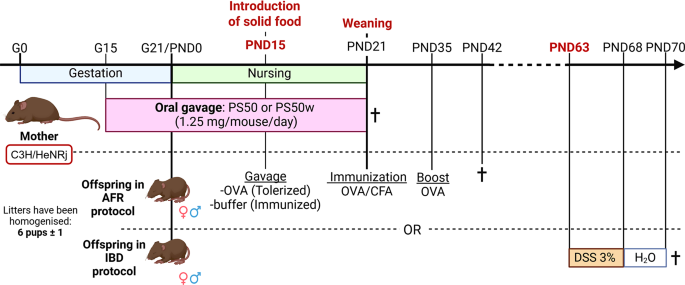
The study raises the possibility that perinatal exposure to nanoplastics could have lasting, sex-specific effects on gut health and make adult offspring more susceptible to intestinal inflammation. This may be relevant...
Patients with hidradenitis suppurativa have higher baseline IBD risk, and IL-17 inhibitors are effective HS treatments. People with Crohn’s disease or ulcerative colitis (or those at risk) may worry whether these drugs...
Based on the title and source metadata, this appears to be a clinical study related to Ulcerative colitis, Inflammatory bowel disease, and Biomarkers. The original article is from Biochemia medica.
The study suggests ADHD and autism are linked with slightly higher risk of more severe IBD events (including need for advanced therapies and, for UC, colectomy), which may help target monitoring and support for young...
Older adults (≥60) with IBD are an increasing population worldwide, and IBD-related anemia is rising—this affects screening needs, healthcare planning, and resource allocation. The findings point to widening...
Appendiceal phlegmon and fistulization can produce focal terminal ileal changes that look like Crohn’s disease on imaging and endoscopy; recognizing this can prevent misdiagnosis.
The study proposes a new redox-regulatory pathway (Grx1–STAT6) that helps M2 macrophages drive tissue repair and colitis recovery in preclinical models, pointing to a possible new therapeutic target to promote...
This study suggests that a confirmed Campylobacter stool infection in people with IBD was followed by higher rates of flare and need for treatment escalation within 12 months, so infected patients might need closer...
Patients with moderate-to-severe Crohn's disease who do not respond to anti-TNF drugs have limited options. This study suggests combining ustekinumab with upadacitinib may improve endoscopic healing versus either drug...
Malnutrition is common and can worsen outcomes in IBD; this case shows use of combined enteral and parenteral nutritional support for severe malnutrition in newly diagnosed Crohn’s disease, including perioperative...
Thalidomide can help treat refractory pediatric IBD but causes peripheral neuropathy. Knowing a cumulative-dose threshold linked to neuropathy could help clinicians balance benefit and neurotoxicity risk.
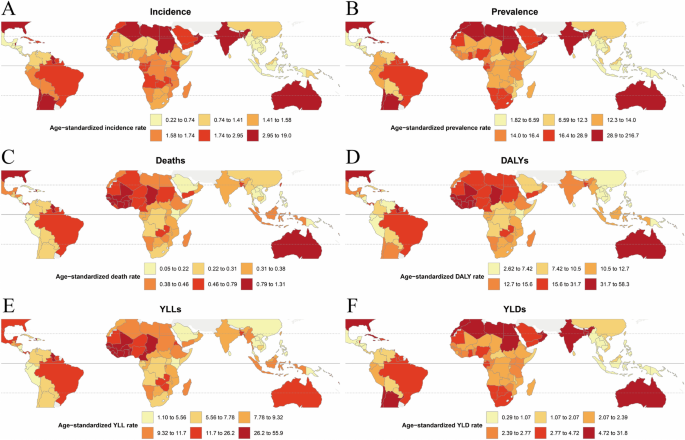
Differences in urbanisation and socioeconomic development may help explain rising IBD rates in newly industrialised regions and point to where earlier diagnosis and healthcare planning might be needed. The association...
Sepsis can develop rapidly from routine infections like tonsillitis and is life-threatening; recognizing symptoms and seeking urgent care can be lifesaving.
Juvenile colorectal polyps in children show strong type 2 inflammatory and epithelial-remodeling programs that could explain links with allergic sensitization and suggest biomarkers and pathways relevant to mucosal...
This review highlights shared biomarkers and mechanisms between early Crohn's disease and post-operative recurrence, which could improve prediction and lead to preventive strategies for recurrence after surgery.
The study suggests shared MHC/HLA genetic variants link ulcerative colitis and gastric cancer risk in East Asians, highlighting potential common immune-related susceptibility that could inform research on disease...
Cure8 found this source from Ophthalmology, but the page could not be read reliably yet. It is tagged for Crohn's disease, Inflammatory bowel disease, and Complications. Open the original article for the full details.
The study provides real-world data on ozanimod effectiveness, safety, and how prior biologic exposure (notably vedolizumab) may affect treatment persistence—information relevant for treatment planning in UC.
This mouse study connects fat malabsorption, increased gut permeability, microbiome shifts, and reduced oxalate transport to higher oxalate absorption and kidney injury—mechanisms relevant to enteric hyperoxaluria seen...
The work links climate and sociodemographic context to IBD burden in tropical regions, which can influence diagnostic recognition, resource needs, and research priorities for communities where IBD is rising.
People with IBD commonly experience anxiety, depression, and other neurological symptoms. Understanding gut–brain axis mechanisms may help explain these comorbidities and point to future treatments.
This project tests whether common nanoplastics that people ingest could damage the gut barrier, alter gut microbes’ estrogen metabolism, and injure enteric nerves — processes that might increase risk or severity of IBD.
The project targets patients with refractory IBD who lack effective options; a new allogeneic stromal cell therapy could expand treatment choices for people who fail multiple drugs. The work focuses on immune pathways...
This project aims to understand how gut-adapted eosinophils support immune homeostasis or drive pathology in conditions that include IBD and eosinophilic GI disorders, with the goal of enabling more precise...
A quantitative, biopsy-based measure of collagen architecture could help study intestinal fibrosis, which underlies stricture formation in Crohn’s disease. Feasibility data support further validation work that may lead...
Based on the title and source metadata, this appears to be a case report related to Inflammatory bowel disease and Community and awareness. The original article is from JAAD case reports.