Evidence types

Clinical study

Clinical study articles covering observational research, trial reports, and human data relevant to Crohn's disease and IBD.

Page 13 of 21 · 1008 articles

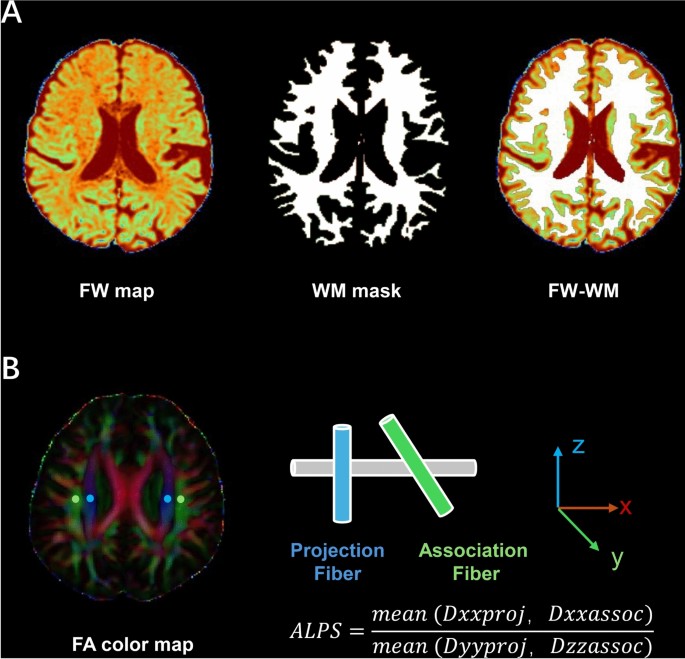
Multimodal MRI reveals glymphatic system activity associated with systemic inflammation and neuropsychiatric symptoms in Crohn’s disease
Journal of Gastroenterology

Multimodal MRI reveals glymphatic system activity associated with systemic inflammation and neuropsychiatric symptoms in Crohn’s disease

This study suggests brain glymphatic function — a fluid-clearance system — may be altered in people with Crohn’s disease and could relate to inflammation and common neuropsychiatric symptoms like fatigue, anxiety,...

Read Summary
Enzyme/Reactive Oxygen Species-Dually Activated Hyaluronic Acid Nanocarriers Enable Celastrol Delivery for Site-Specific Therapy of Inflammatory Bowel Diseases and Colorectal Cancer.
International journal of nanomedicine

Enzyme/Reactive Oxygen Species-Dually Activated Hyaluronic Acid Nanocarriers Enable Celastrol Delivery for Site-Specific Therapy of Inflammatory Bowel Diseases and Colorectal Cancer.

The study reports a targeted nanoparticle designed to deliver celastrol selectively to inflamed intestinal tissue and colorectal tumors, which could—if translated successfully—address limitations of oral celastrol and...

Read Summary
Continued concomitant antibiotic or immunosuppression therapies reduce the risk of pouchitis among patients with ileal pouch-anal anastomosis and primary sclerosing cholangitis.
Crohn's & colitis 360

Continued concomitant antibiotic or immunosuppression therapies reduce the risk of pouchitis among patients with ileal pouch-anal anastomosis and primary sclerosing cholangitis.

Patients with ulcerative colitis and PSC face higher risk of pouch inflammation after IPAA. The study reports fewer pouchitis events among the small group who received antibiotics or immunosuppression, which could...

Read Summary
Plasma Proteomic Profiling Identifies Biomarkers and Therapeutic Targets for Predicting Osteoporosis Risk in Patients with Inflammatory Bowel Disease.
The Turkish journal of gastroenterology : the official journal of Turkish Society of Gastroenterology

Plasma Proteomic Profiling Identifies Biomarkers and Therapeutic Targets for Predicting Osteoporosis Risk in Patients with Inflammatory Bowel Disease.

IBD increases risk of osteoporosis; identifying blood proteins that predict later bone loss could help flag higher-risk patients and reveal biological links between gut inflammation and bone health.

Read Summary
Upadacitinib effectively suppresses IL13RA2 expression in primary human intestinal fibroblasts derived from Crohn's disease tissue.
Biochemical pharmacology

Upadacitinib effectively suppresses IL13RA2 expression in primary human intestinal fibroblasts derived from Crohn's disease tissue.

The study identifies a cellular mechanism (JAK1-STAT6 pathway) by which upadacitinib can lower IL13RA2 — a molecule tied to inflammation and anti-TNF resistance — which could help explain how JAK inhibitors work in IBD...

Read Summary
Relative abundance of a gut-derived Lancefieldella parvula strain is associated with severe inflammation in IBD
Gut Pathogens

Relative abundance of a gut-derived Lancefieldella parvula strain is associated with severe inflammation in IBD

If confirmed, a gut-derived strain of Lancefieldella parvula that rises with local inflammation could become a mucosal biomarker to help track disease severity or study inflammation mechanisms in IBD.

Read Summary
Isolated Mild Hyperemia Identified by Intestinal Ultrasound Is Associated With Adverse Outcomes in Inflammatory Bowel Disease
JCC Plus

Isolated Mild Hyperemia Identified by Intestinal Ultrasound Is Associated With Adverse Outcomes in Inflammatory Bowel Disease

If intestinal ultrasound shows mild isolated hyperemia even with normal bowel wall thickness, this study found a higher chance of treatment changes, steroid use, surgery, or hospitalization within a year — information...

Read Summary
Fatigue in inflammatory bowel disease beyond intestinal inflammation: A cross-sectional study.
Journal of psychosomatic research

Fatigue in inflammatory bowel disease beyond intestinal inflammation: A cross-sectional study.

Fatigue is common and disabling for people with IBD; this study shows that factors beyond intestinal inflammation—especially central sensitization and psychological symptoms—explain much of fatigue. That means treating...

Read Summary
Long-Term Effectiveness and Persistence of Ustekinumab in Crohn's Disease Patients: An Observational Retrospective Study.
Journal of clinical medicine

Long-Term Effectiveness and Persistence of Ustekinumab in Crohn's Disease Patients: An Observational Retrospective Study.

Ustekinumab is already approved for moderate-to-severe Crohn's disease; this real-world study reports encouraging longer-term clinical, biological, and endoscopic outcomes up to 96 weeks and suggests good treatment...

Read Summary
Single-cell and spatial transcriptomics across populations with perianal fistulizing Crohn's disease shows pro-inflammatory CD4+ macrophage involvement in disease progression.
Cellular and molecular gastroenterology and hepatology

Single-cell and spatial transcriptomics across populations with perianal fistulizing Crohn's disease shows pro-inflammatory CD4+ macrophage involvement in disease progression.

The study points to a specific immune cell type (pro-inflammatory CD4+ macrophages) and altered cellular interactions in rectal tissue that are linked to perianal fistulizing Crohn's disease, which may help explain...

Read Summary
Persistent elevation of serum LBP, IL-23 and IL-6 in infliximab-maintained Crohn's disease: a case–control study from Iraq with the serum LBP/albumin ratio as a novel composite biomarker
Journal of Genetic Engineering and Biotechnology

Persistent elevation of serum LBP, IL-23 and IL-6 in infliximab-maintained Crohn's disease: a case–control study from Iraq with the serum LBP/albumin ratio as a novel composite biomarker

Based on the title and source metadata, this appears to be a clinical study related to Crohn's disease, Inflammatory bowel disease, and Infliximab. The original article is from Journal of Genetic Engineering and...

Read Summary
Novel Agents on the Therapeutic Horizon For Paediatric Inflammatory Bowel Diseases: An Analysis of Clinical Trials Registries.
Paediatric drugs

Novel Agents on the Therapeutic Horizon For Paediatric Inflammatory Bowel Diseases: An Analysis of Clinical Trials Registries.

Children with IBD often wait years for medicines to be approved after adult approvals; this review shows many ongoing paediatric trials for biologics and small molecules that could improve treatment options.

Read Summary
Dietary oxalate and intestinal inflammation: Evidence from experimental colitis and inflammatory bowel disease patient cohorts.
Cellular and molecular gastroenterology and hepatology

Dietary oxalate and intestinal inflammation: Evidence from experimental colitis and inflammatory bowel disease patient cohorts.

If dietary oxalate influences gut inflammation, it could be a modifiable dietary factor for some people with IBD and might help explain variability in symptoms. The study points to transporters as potential markers of...

Read Summary
Acceptability and Feasibility of Mindfulness-Based Cognitive Therapy in Adults with Inflammatory Bowel Disease: A Mixed-Methods Study
Mindfulness

Acceptability and Feasibility of Mindfulness-Based Cognitive Therapy in Adults with Inflammatory Bowel Disease: A Mixed-Methods Study

IBD patients often face high psychological burden; knowing whether MBCT is acceptable and feasible helps patients and clinicians weigh it as a support option. Practical barriers (time, fatigue, disease activity) and...

Read Summary
Evolving role of intestinal ultrasound in the evaluation of Crohn's disease: A clinical- radiological perspective
European Journal of Radiology Open

Evolving role of intestinal ultrasound in the evaluation of Crohn's disease: A clinical- radiological perspective

Intestinal ultrasound is increasingly used to evaluate Crohn’s disease because it’s noninvasive, repeatable, and can detect activity and some complications—potentially reducing reliance on more invasive tests. Wider...

Read Summary
Inflammatory burden index (CRP×NLR) is associated with moderate-to-severe endoscopic activity in hospitalized patients with ulcerative colitis: a single-center retrospective study.
Crohn's & colitis 360

Inflammatory burden index (CRP×NLR) is associated with moderate-to-severe endoscopic activity in hospitalized patients with ulcerative colitis: a single-center retrospective study.

The study tests whether a simple blood-derived index (CRP×NLR) can help identify moderate-to-severe endoscopic inflammation when timely endoscopy is limited in hospitalized UC patients.

Read Summary
Evaluation of pharmacokinetic metrics and pharmacodynamic biomarkers associated with endoscopic healing in pediatric Crohn's disease patients treated with anti-tumor necrosis factor biologics.
Crohn's & colitis 360

Evaluation of pharmacokinetic metrics and pharmacodynamic biomarkers associated with endoscopic healing in pediatric Crohn's disease patients treated with anti-tumor necrosis factor biologics.

Identifies candidate drug‑level and immune biomarker cut‑points linked with endoscopic healing in pediatric Crohn's disease, which could help guide dosing or treatment changes if validated.

Read Summary
Rapid fecal lipidome profiling in inflammatory bowel disease: A novel approach for exploratory disease molecular characterization and therapeutic monitoring.
Journal of pharmaceutical and biomedical analysis

Rapid fecal lipidome profiling in inflammatory bowel disease: A novel approach for exploratory disease molecular characterization and therapeutic monitoring.

Non-invasive fecal lipid markers could help differentiate UC from CD and improve diagnostic molecular profiling in IBD if validated, which may be useful for patients and clinicians seeking less-invasive diagnostic tools.

Read Summary
Prevalence and Predictors of Gastrointestinal Infections Among Patients With Acute Severe Ulcerative Colitis and Those in Remission: A Cross-Sectional Study.
Cureus

Prevalence and Predictors of Gastrointestinal Infections Among Patients With Acute Severe Ulcerative Colitis and Those in Remission: A Cross-Sectional Study.

GI infections—especially CMV—were common in this study and much more frequent in acute severe UC than in remission, suggesting testing for infections can change diagnosis and management during severe flares.

Read Summary
Characterization of remission levels in patients with ulcerative colitis treated with 5-aminosalicylates: results of the cross-sectional CARUC-ASA study by the Belgian IBD Research and Development Group.
Journal of Crohn's & colitis

Characterization of remission levels in patients with ulcerative colitis treated with 5-aminosalicylates: results of the cross-sectional CARUC-ASA study by the Belgian IBD Research and Development Group.

The study evaluates how well first-line 5-ASA therapy achieves modern treatment targets (endoscopic, histologic, and biomarker remission) in real-world UC patients who are clinically in remission. Patients and clinicians...

Read Summary
Testing-Yield Mismatch in Inpatient Micronutrient Assessment in Inflammatory Bowel Disease: A Real-World Implementation-Gap Analysis
Nutrients

Testing-Yield Mismatch in Inpatient Micronutrient Assessment in Inflammatory Bowel Disease: A Real-World Implementation-Gap Analysis

Micronutrient deficiencies are common in IBD and can worsen anemia, healing, and neurologic function. This study shows inpatient testing focuses on B12 while missing other commonly deficient nutrients (B1, B6, zinc),...

Read Summary
Association of the DTI-ALPS Index with Sleep Disturbances and Intestinal Inflammation in Crohn's Disease: A Diffusion Tensor MRI Study.
Academic radiology

Association of the DTI-ALPS Index with Sleep Disturbances and Intestinal Inflammation in Crohn's Disease: A Diffusion Tensor MRI Study.

If confirmed, a brain perivascular/glymphatic change linked to intestinal inflammation could help explain why sleep problems are common in Crohn's disease and point to new research targets for symptom mechanisms and...

Read Summary
Efficient Preparation of pH-Sensitive Core–Shell Drug-Loaded Hydrogel Microcapsules and Their Application in Ulcerative Colitis Treatment
Gels

Efficient Preparation of pH-Sensitive Core–Shell Drug-Loaded Hydrogel Microcapsules and Their Application in Ulcerative Colitis Treatment

A targeted, pH-sensitive colon delivery system could improve effectiveness and reduce systemic side effects of drugs used for UC by releasing medication in the colon and protecting it from stomach degradation. For people...

Read Summary
Inflammatory and Immune Cytoprofiles of Active Ulcerative Colitis from Crohn’s Disease—Insights from Multivariable Modeling
International Journal of Molecular Sciences

Inflammatory and Immune Cytoprofiles of Active Ulcerative Colitis from Crohn’s Disease—Insights from Multivariable Modeling

Distinct circulating immune signatures could help differentiate active UC from CD and suggest disease-specific pathways that might guide future biomarkers or therapies.

Read Summary
Circulating microRNAs as biomarkers of disease activity and treatment response in Crohn’s disease patients receiving infliximab or vedolizumab: a longitudinal cohort study
Frontiers in Medicine

Circulating microRNAs as biomarkers of disease activity and treatment response in Crohn’s disease patients receiving infliximab or vedolizumab: a longitudinal cohort study

If validated, blood microRNAs could become noninvasive biomarkers to help track inflammation and predict biochemical response to infliximab or vedolizumab in Crohn’s disease, complementing CRP and fecal calprotectin.

Read Summary
Impact of Prior Biologic Mechanism of Action on Anti-TNF Effectiveness in Inflammatory Bowel Disease: An ENEIDA Registry Study.
Alimentary pharmacology & therapeutics

Impact of Prior Biologic Mechanism of Action on Anti-TNF Effectiveness in Inflammatory Bowel Disease: An ENEIDA Registry Study.

The study addresses a practical question for people with IBD: whether sequencing anti-TNF therapy after a biologic from a different class affects how well the anti-TNF works. Shorter durability — especially in ulcerative...

Read Summary
Author Correction: Engineered living glues secrete therapeutic proteins for treatment of inflammatory bowel disease
Nature Biotechnology

Author Correction: Engineered living glues secrete therapeutic proteins for treatment of inflammatory bowel disease

This correction updates duplicated data points and clarifies methods in a preclinical synthetic-biology study about engineered materials that secrete therapeutic proteins for IBD, which affects interpretation and...

Read Summary
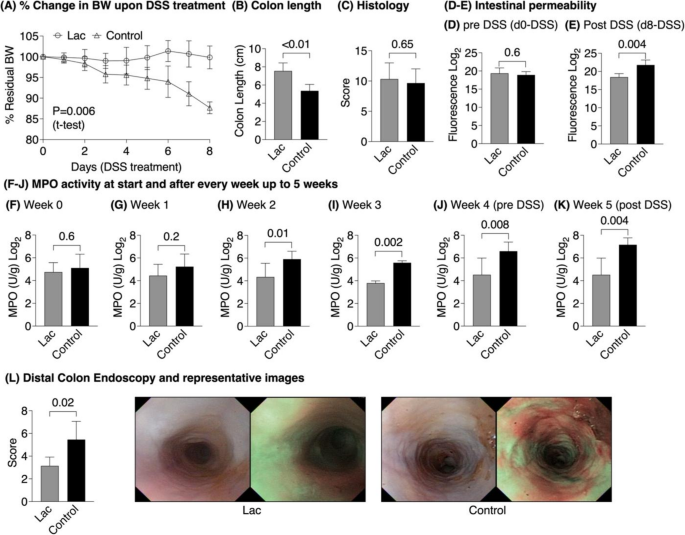
Lactobacillus plantarum Attenuates Intestinal Inflammation and Prolongs Remission in Experimental Models of Crohn’s Disease
Probiotics and Antimicrobial Proteins

Lactobacillus plantarum Attenuates Intestinal Inflammation and Prolongs Remission in Experimental Models of Crohn’s Disease

The study suggests a probiotic strain (Lactobacillus plantarum) reduced inflammation and prolonged remission in multiple mouse models of Crohn’s-like disease, indicating microbiome-based approaches might be promising to...

Read Summary
Neutralising autoantibodies against IL-10 and HLA-DRB1*01:03 in paediatric patients with inflammatory bowel disease.
Gut

Neutralising autoantibodies against IL-10 and HLA-DRB1*01:03 in paediatric patients with inflammatory bowel disease.

Finding neutralising anti-IL-10 antibodies in a subset of children with IBD may help explain why some patients have more severe, treatment‑resistant disease and points to a potential biomarker for risk stratification.

Read Summary
Chinese Medical Journal review highlights the role of artificial intelligence in inflammatory ...
eurekalert.org

Chinese Medical Journal review highlights the role of artificial intelligence in inflammatory ...

AI could help make IBD assessments (endoscopy, histology, imaging, biomarkers) more objective and faster, which may improve monitoring, treatment selection, and early detection of complications for people with Crohn’s...

Read Summary
The causal role of plasma protein ratios in ulcerative colitis: insights from mendelian randomization and single-cell sequencing.
Open medicine (Warsaw, Poland)

The causal role of plasma protein ratios in ulcerative colitis: insights from mendelian randomization and single-cell sequencing.

Researchers used genetics plus single-cell sequencing and ELISA to prioritize plasma protein ratios that may causally relate to ulcerative colitis. If validated in larger studies, such biomarkers could help with...

Read Summary