A potential link between ultra-processed food intake and Crohn’s relapse could influence dietary conversations for people in remission, but the current evidence is weak and not definitive.
A naturally occurring pigment (C3G) improved inflammation and barrier markers in a mouse colitis model, which could be of interest to people exploring nutrition-related ways to support gut health.
Pathological features of intestinal lesions help doctors and researchers understand disease progression, identify complications, and interpret biopsies. Improvements or corrections to such descriptions can affect how...
Macrophage behavior and metabolic reprogramming help drive inflammation or repair in ulcerative colitis, so understanding these processes could point to new therapies. The review links lab methods and ongoing clinical...
Persistent fatigue is a common disabling symptom in IBD even during remission; a structured adapted physical activity program could offer a non-drug way to improve daily functioning if the trial shows benefit.
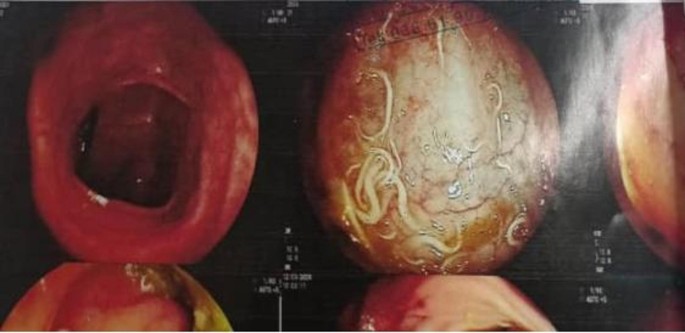
A parasitic infection (Ascaris) can closely imitate Crohn’s disease or microscopic colitis and lead to harmful misdiagnosis and unnecessary immunosuppression. Patients in or from helminth-endemic areas with new IBD-like...
Knowing which symptoms and non-invasive biomarkers most strongly associate with UC can help patients and clinicians decide who should be prioritized for diagnostic endoscopy and for monitoring disease activity.
This real-world multicenter study provides short-term effectiveness and safety data for upadacitinib in a difficult-to-treat Crohn’s population in China, which may inform treatment decisions and risk discussions.
If you have Crohn’s disease, upper GI biopsies showing focally enhanced gastritis or focally active inflammation could support a diagnosis of upper GI involvement and are associated with other histologic findings like...
Food choices can affect Crohn’s symptoms, flares, and nutritional health. A short self-assessment can help you decide whether to change your diet or seek professional nutrition support.
A blood test (serum REG3α) may help identify people at higher risk of developing complicated Crohn's disease years before diagnosis and predict progression in established disease, which could inform monitoring or early...
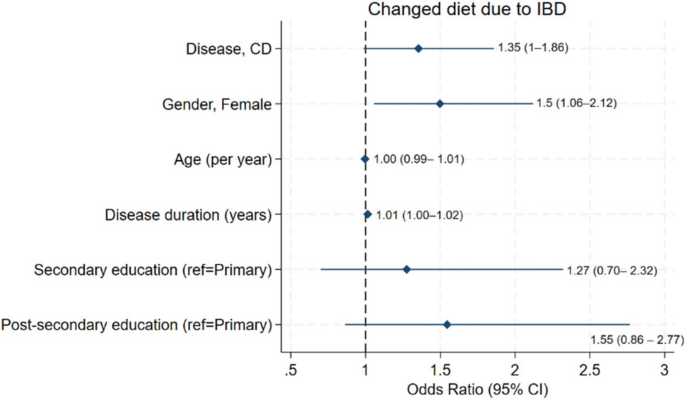
Many people with IBD change their diets and avoid foods they believe trigger flares. Differences between Crohn’s disease and ulcerative colitis were observed, and many—especially those with UC—reported not receiving...
This report highlights that Langerhans cell histiocytosis can present with intestinal ulcerations mimicking IBD and may be missed if standard IBD treatments don’t help. Patients with persistent bleeding or nonresponsive...
Identifies mast-cell–derived IL-13 as a likely contributor to intestinal fibrosis in Crohn disease, a complication not reliably prevented by current anti-inflammatory treatments. The finding points to a specific immune...
The study suggests that air pollutant NO2 may promote a perforin-producing CD8+ T cell response linked to colonic inflammation in UC and highlights CDC25B as a potential mechanistic link—information that could guide...
The study suggests that in some people with IBD who have Candida overgrowth, systemic antifungal therapy (fluconazole) can change gut microbes and metabolites in ways linked to better disease activity over 8 weeks. That...
Ileal pouch disorders are common after IPAA surgery and cause symptoms many patients will experience. Early recognition and initial treatment by primary care can speed symptom relief and identify patients who need...
Identifying Giardia genotypes linked to more severe symptoms could matter for people with IBD or recurrent intestinal infections because different assemblages may relate to symptom severity and could influence diagnostic...
The study suggests that genetic and single-cell signatures of cellular senescence may affect IBD susceptibility, pointing to possible new biomarkers or pathways relevant to disease risk and future therapies.
The study explores how gut inflammation might influence liver autoimmune disease, which is relevant because people with IBD can have associated autoimmune cholangitis conditions. Understanding immune and metabolic links...
The study suggests that measuring fat-free mass (FFMI) may reveal nutritional recovery after an IBD flare that BMI alone misses, which matters for identifying and treating malnutrition in IBD.
Arthritis is a common and meaningful extraintestinal problem for people with IBD; understanding diagnosis and treatment options can help patients and clinicians seek appropriate multidisciplinary care.
EoE causes swallowing problems and can overlap with other immune-driven conditions. Knowing how common EoE is among people with IBD or type-2 inflammatory diseases may prompt clinicians to screen patients with...
The study suggests that polyphenols can change gut bacteria and metabolite production differently in people with IBD versus healthy controls, which could matter for designing personalized dietary interventions.
Different protein sources may affect IBD risk and relapses, especially for ulcerative colitis, and diet choices could be relevant to patients and clinicians managing IBD.
This mouse study suggests a blueberry-derived anthocyanin plus pectin complex can alter gut microbes and metabolites linked to inflammation, pointing to a dietary approach that might influence ulcerative colitis biology.
The review proposes a low-cost, non-immunosuppressive adjunctive strategy targeting the gut microbiome and luminal metabolism to help maintain remission in UC, an area of strong patient interest but limited clinical...
Researchers report a modest association between higher estimated dietary sodium and greater odds of several IL-17–mediated diseases, while IBD showed a small inverse association. Patients may be interested because it...
Understanding PTMs may help researchers identify new biomarkers or therapeutic targets for ulcerative colitis, which could eventually lead to better treatments or tests. For people with UC, this explains part of why...
This preclinical study suggests Antarctic krill oil may reduce inflammation and alter the gut microbiome in a mouse model of ulcerative colitis, which could point toward microbiota-targeted nutritional strategies worth...
Fatigue is very common in people with IBD—even when the disease is in remission—and is linked with lower physical activity, more sitting time, and with anxiety/depression. Understanding these links may help patients and...
Because having a sibling with Crohn's disease during childhood was linked to substantially higher risk of developing Crohn's later, and the study points to early-life microbiome differences and elevated faecal...
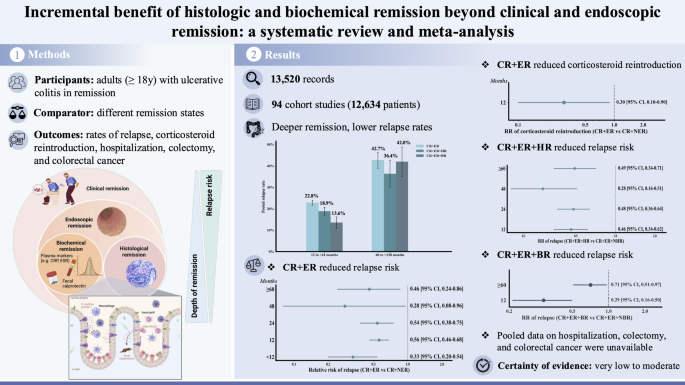
Achieving histologic or biochemical remission in addition to clinical and endoscopic remission was associated with substantially lower relapse risk in ulcerative colitis across multiple follow-up intervals, suggesting...
Delays in diagnosing IBD are common and can raise the risk of complications, so understanding when to push for testing matters. The article explains tests and differences between IBS and IBD to help people know when to...
The study suggests a natural seaweed-derived polysaccharide could modify gut bacteria and immune signaling in ways that reduced experimental colitis, which may interest people looking for microbiota-targeted dietary...
The study suggests a dietary/prebiotic compound (2'-FL) can change gut microbes and patient-reported disease control in mild-to-moderate UC, which could point to non-drug ways to support symptoms and microbiome health.
Researchers used laboratory mouse and cell models to show that total glucosides of paeony (TGP) may reduce inflammation linked to ulcerative colitis and identified molecular pathways (COX‑2/arachidonic acid, NF‑κB, MAPK,...
Delays in diagnosis and restricted access to therapies can allow Crohn’s inflammation to progress, increasing the chance of bowel damage and worse outcomes. Progress on earlier detection and better matching of treatments...
Vitamin D deficiency was common among Albanian patients with IBD and showed a weak inverse association with disease activity in ulcerative colitis, suggesting vitamin D status may relate to symptom burden or...
The study points to three bile-acid–related genes that may be linked to inflammation in ulcerative colitis and could serve as biomarkers or targets for future research into disease mechanisms and patient stratification.
CT-detected terminal ileitis was due to Crohn’s disease in only a small minority (12.5%) of cases in this cohort, so most patients with this imaging finding will need further testing to determine the cause.
IBD-U means no clear Crohn’s or ulcerative colitis diagnosis yet — that uncertainty can affect treatment decisions and follow-up. The review highlights tests that may help clarify diagnosis and stresses that many...
This study suggests that circulating monocytes in newly diagnosed Crohn’s disease are transcriptionally and epigenetically reprogrammed toward inflammatory behaviour before they reach the gut, which could help explain...
Unexplained mid‑esophageal ulcers with recurrent oral ulcers can reflect rare systemic inflammatory diseases such as gastrointestinal Behçet disease, and they often need broad testing to exclude infections, malignancy,...
Regional data can reveal how IBD presents and behaves locally; that information helps clinicians with earlier recognition and tailoring care and helps researchers compare geographic phenotypes.
CVID-related enteropathy can resemble celiac disease or IBD, carries high morbidity and mortality, and often does not respond to standard immunoglobulin therapy — patients and clinicians need awareness of its distinct...
The study links worse UC activity with higher rates of anxiety and depression and with poorer quality of life among patients in Pakistan, suggesting mental-health screening could be relevant to overall disease...
Based on the title and source metadata, this appears to be a clinical study related to Inflammatory bowel disease and Symptoms and flares. The original article is from Polish archives of internal medicine.