All topics

Symptoms and flares

Diarrhea, abdominal pain, fatigue, bleeding, urgency, flares, remission, and symptom management news.

Page 5 of 9 · 399 articles

Idiopathic Acute Pancreatitis in Paediatric Inflammatory Bowel Disease: Clinical Features and Outcomes in a Retrospective Single-Centre Study.
Journal of paediatrics and child health

Idiopathic Acute Pancreatitis in Paediatric Inflammatory Bowel Disease: Clinical Features and Outcomes in a Retrospective Single-Centre Study.

Children with IBD can develop idiopathic acute pancreatitis that is often mild but may recur; knowing this helps families and clinicians monitor and manage pancreatic symptoms during active disease and after surgery.

Read Summary
Basal plasmacytosis and eosinophilia for distinguishing inflammatory bowel disease from gastrointestinal tuberculosis on mucosal biopsy.
Journal of clinical pathology

Basal plasmacytosis and eosinophilia for distinguishing inflammatory bowel disease from gastrointestinal tuberculosis on mucosal biopsy.

Distinguishing IBD from gastrointestinal tuberculosis is challenging in regions where GITB is common; histologic markers like basal plasmacytosis and eosinophilia on mucosal biopsy could help guide diagnosis when...

Read Summary
Sodium acetate attenuates ulcerative colitis by reducing intestinal epithelial apoptosis and remodeling gut microbiota
Frontiers in Microbiology

Sodium acetate attenuates ulcerative colitis by reducing intestinal epithelial apoptosis and remodeling gut microbiota

The study suggests acetate (sodium acetate) can protect intestinal cells and reshape the gut microbiota in preclinical models of ulcerative colitis, pointing to a potential microbiome-linked therapeutic avenue that might...

Read Summary
NEAT1 modulates neutrophil functions via glycolysis to restrain mucosal inflammation in ulcerative colitis
Frontiers in Immunology

NEAT1 modulates neutrophil functions via glycolysis to restrain mucosal inflammation in ulcerative colitis

The study links NEAT1, a long noncoding RNA, to neutrophil-driven mucosal inflammation in ulcerative colitis and suggests NEAT1 affects neutrophil activity via glycolysis. That points to a new molecular pathway that...

Read Summary
Efficacy of psychotherapies in individuals with inflammatory bowel disease: A systematic review and meta-analysis
World Journal of Psychiatry

Efficacy of psychotherapies in individuals with inflammatory bowel disease: A systematic review and meta-analysis

The review shows psychotherapies can improve quality of life and reduce anxiety and depression in people with IBD, outcomes that matter for daily functioning even when intestinal symptoms may not change.

Read Summary
Pruritus Is Frequent and Persistent and Impacts Quality of Life Among Patients With Primary Sclerosing Cholangitis.
Alimentary pharmacology & therapeutics

Pruritus Is Frequent and Persistent and Impacts Quality of Life Among Patients With Primary Sclerosing Cholangitis.

Itch is a frequent, often severe symptom in PSC that is linked to liver disease severity and worse quality of life. Recognizing and measuring pruritus matters because it significantly affects daily functioning and may...

Read Summary
Uveitis and Scleritis as Early Signals of Undiagnosed IBD: A Tiered Screening Framework to Reduce Diagnostic Delay.
Ocular immunology and inflammation

Uveitis and Scleritis as Early Signals of Undiagnosed IBD: A Tiered Screening Framework to Reduce Diagnostic Delay.

Recognizing eye inflammation as a possible early sign of IBD could shorten diagnostic delays and lead to earlier gastroenterology evaluation and treatment, which is especially important for children who often wait years...

Read Summary
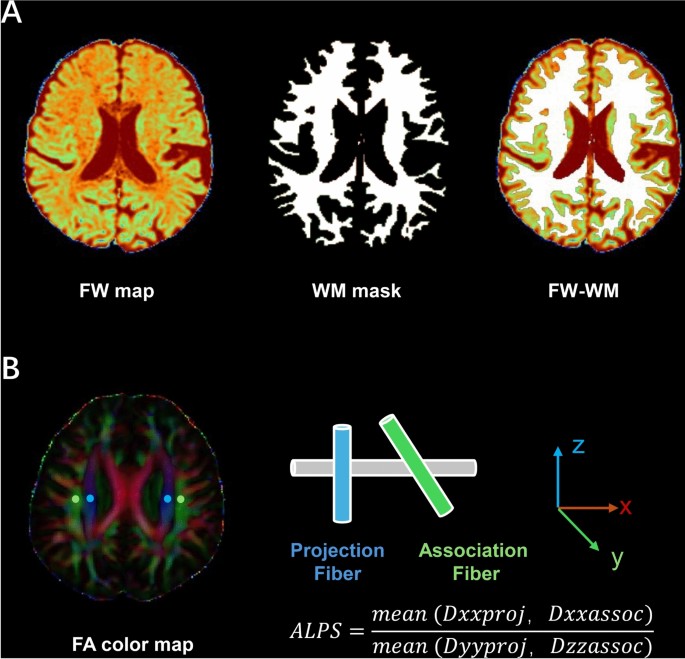
Multimodal MRI reveals glymphatic system activity associated with systemic inflammation and neuropsychiatric symptoms in Crohn’s disease
Journal of Gastroenterology

Multimodal MRI reveals glymphatic system activity associated with systemic inflammation and neuropsychiatric symptoms in Crohn’s disease

This study suggests brain glymphatic function — a fluid-clearance system — may be altered in people with Crohn’s disease and could relate to inflammation and common neuropsychiatric symptoms like fatigue, anxiety,...

Read Summary
The impact of ustekinumab and tumor necrosis factor antagonists on extraintestinal manifestations of Crohn's disease: a systematic review and meta-analysis.
Frontiers in pharmacology

The impact of ustekinumab and tumor necrosis factor antagonists on extraintestinal manifestations of Crohn's disease: a systematic review and meta-analysis.

Extraintestinal symptoms such as fatigue and joint pain significantly affect quality of life in Crohn's disease. This review suggests ustekinumab may help reduce fatigue and arthritis/arthralgia more than TNF antagonists...

Read Summary
Relative abundance of a gut-derived Lancefieldella parvula strain is associated with severe inflammation in IBD
Gut Pathogens

Relative abundance of a gut-derived Lancefieldella parvula strain is associated with severe inflammation in IBD

If confirmed, a gut-derived strain of Lancefieldella parvula that rises with local inflammation could become a mucosal biomarker to help track disease severity or study inflammation mechanisms in IBD.

Read Summary
Fatigue in inflammatory bowel disease beyond intestinal inflammation: A cross-sectional study.
Journal of psychosomatic research

Fatigue in inflammatory bowel disease beyond intestinal inflammation: A cross-sectional study.

Fatigue is common and disabling for people with IBD; this study shows that factors beyond intestinal inflammation—especially central sensitization and psychological symptoms—explain much of fatigue. That means treating...

Read Summary
Single-cell and spatial transcriptomics across populations with perianal fistulizing Crohn's disease shows pro-inflammatory CD4+ macrophage involvement in disease progression.
Cellular and molecular gastroenterology and hepatology

Single-cell and spatial transcriptomics across populations with perianal fistulizing Crohn's disease shows pro-inflammatory CD4+ macrophage involvement in disease progression.

The study points to a specific immune cell type (pro-inflammatory CD4+ macrophages) and altered cellular interactions in rectal tissue that are linked to perianal fistulizing Crohn's disease, which may help explain...

Read Summary

A microbiota-responsive polyfunctional cytotoxic CD4+ T-cell state promotes mucosal inflammation in ulcerative colitis

The study describes a microbiota-responsive cytotoxic CD4+ T‑cell state that associates with worse mucosal inflammation and reduced response to common biologic therapies in ulcerative colitis, suggesting a possible...

Read Summary
Vitamin D and Intestinal Diseases: Impact on Intestinal Immunity and Gut Barrier Function
Diseases

Vitamin D and Intestinal Diseases: Impact on Intestinal Immunity and Gut Barrier Function

Vitamin D appears linked to immune regulation, gut barrier health, and the microbiome—processes relevant to IBD and other intestinal disorders. Understanding this could affect how clinicians monitor and study vitamin D...

Read Summary
Living well with Crohn’s & Colitis fatigue, pain and urgency/faecal incontinence: the IBD-BOOST research programme including an RCT
Europe PMC

Living well with Crohn’s & Colitis fatigue, pain and urgency/faecal incontinence: the IBD-BOOST research programme including an RCT

Many people with IBD experience persistent fatigue, pain and faecal incontinence even when inflammation is controlled; this programme tested a supported online self-management approach to help those symptoms and assessed...

Read Summary
Dietary oxalate and intestinal inflammation: Evidence from experimental colitis and inflammatory bowel disease patient cohorts.
Cellular and molecular gastroenterology and hepatology

Dietary oxalate and intestinal inflammation: Evidence from experimental colitis and inflammatory bowel disease patient cohorts.

If dietary oxalate influences gut inflammation, it could be a modifiable dietary factor for some people with IBD and might help explain variability in symptoms. The study points to transporters as potential markers of...

Read Summary
Molecular regulatory mechanism of TRPV4-mediated calcium-dependent 5-HT secretion from enterochromaffin cells and its involvement in ulcerative colitis
PLOS One

Molecular regulatory mechanism of TRPV4-mediated calcium-dependent 5-HT secretion from enterochromaffin cells and its involvement in ulcerative colitis

The study links a cellular signaling pathway that increases serotonin release from gut enterochromaffin cells to inflammation in a mouse model of ulcerative colitis. If confirmed, blocking TRPV4 could become a research...

Read Summary
Mistakes in the management of irritable bowel syndrome-diarrhoeal subtype and mimics: a narrative review.
Current medical research and opinion

Mistakes in the management of irritable bowel syndrome-diarrhoeal subtype and mimics: a narrative review.

People labelled with IBS-D may actually have treatable organic conditions that require different tests and treatments; avoiding diagnostic mistakes can speed appropriate care and reduce unnecessary symptom-focused...

Read Summary
Prevalence and Predictors of Gastrointestinal Infections Among Patients With Acute Severe Ulcerative Colitis and Those in Remission: A Cross-Sectional Study.
Cureus

Prevalence and Predictors of Gastrointestinal Infections Among Patients With Acute Severe Ulcerative Colitis and Those in Remission: A Cross-Sectional Study.

GI infections—especially CMV—were common in this study and much more frequent in acute severe UC than in remission, suggesting testing for infections can change diagnosis and management during severe flares.

Read Summary
Characterization of remission levels in patients with ulcerative colitis treated with 5-aminosalicylates: results of the cross-sectional CARUC-ASA study by the Belgian IBD Research and Development Group.
Journal of Crohn's & colitis

Characterization of remission levels in patients with ulcerative colitis treated with 5-aminosalicylates: results of the cross-sectional CARUC-ASA study by the Belgian IBD Research and Development Group.

The study evaluates how well first-line 5-ASA therapy achieves modern treatment targets (endoscopic, histologic, and biomarker remission) in real-world UC patients who are clinically in remission. Patients and clinicians...

Read Summary
Association of the DTI-ALPS Index with Sleep Disturbances and Intestinal Inflammation in Crohn's Disease: A Diffusion Tensor MRI Study.
Academic radiology

Association of the DTI-ALPS Index with Sleep Disturbances and Intestinal Inflammation in Crohn's Disease: A Diffusion Tensor MRI Study.

If confirmed, a brain perivascular/glymphatic change linked to intestinal inflammation could help explain why sleep problems are common in Crohn's disease and point to new research targets for symptom mechanisms and...

Read Summary
Apoptosis-related genes bridge inflammatory bowel disease and osteoporosis: A bioinformatic analysis.
PloS one

Apoptosis-related genes bridge inflammatory bowel disease and osteoporosis: A bioinformatic analysis.

IBD patients face higher risk of osteoporosis; identifying shared, apoptosis-related genes may help explain why and point to future biomarkers or therapeutic targets. The study links specific genes (WNT1, S100A8) to both...

Read Summary
The causal role of plasma protein ratios in ulcerative colitis: insights from mendelian randomization and single-cell sequencing.
Open medicine (Warsaw, Poland)

The causal role of plasma protein ratios in ulcerative colitis: insights from mendelian randomization and single-cell sequencing.

Researchers used genetics plus single-cell sequencing and ELISA to prioritize plasma protein ratios that may causally relate to ulcerative colitis. If validated in larger studies, such biomarkers could help with...

Read Summary
Idiopathic myointimal hyperplasia of mesenteric veins mimicking steroid-refractory ulcerative colitis
World Journal of Gastroenterology

Idiopathic myointimal hyperplasia of mesenteric veins mimicking steroid-refractory ulcerative colitis

A rare venous occlusive disease (IMHMV) can closely mimic steroid-refractory ulcerative colitis and may require surgery for diagnosis, so clinicians and patients should consider vascular causes when colitis is atypical...

Read Summary
A Case Study of PSTPIP1-Associated Myeloid-Related Proteinemia Inflammatory Syndrome Masquerading as Inflammatory Bowel Disease.
Inflammatory intestinal diseases

A Case Study of PSTPIP1-Associated Myeloid-Related Proteinemia Inflammatory Syndrome Masquerading as Inflammatory Bowel Disease.

Some rare autoinflammatory disorders can look like IBD but need different diagnostic thinking. Recognizing systemic signs and checking serum zinc may lead to a correct diagnosis and targeted care.

Read Summary
Optimism and mindfulness are associated with decreased abdominal pain among adolescents with inflammatory bowel disease.
Journal of the Canadian Association of Gastroenterology

Optimism and mindfulness are associated with decreased abdominal pain among adolescents with inflammatory bowel disease.

Adolescents with IBD often experience abdominal pain that affects daily life. This study suggests psychological resilience — especially optimism and mindfulness — is linked with less pain, pointing to nonpharmacologic...

Read Summary
Combined Enterococcus faecium SF68®–Butyrate–Folate Supplementation Restores Intestinal Barrier Integrity and Epithelial Metabolic Function in Experimental DSS-Induced Colitis
Springer Science and Business Media LLC

Combined Enterococcus faecium SF68®–Butyrate–Folate Supplementation Restores Intestinal Barrier Integrity and Epithelial Metabolic Function in Experimental DSS-Induced Colitis

The study suggests a combined probiotic-plus-nutrient approach may improve intestinal barrier integrity, reduce inflammation, and restore epithelial metabolism in an IBD model—areas not fully addressed by current...

Read Summary
Innate immune recognition of Debaryomyces hansenii requires Dectin-1-Card9 signaling.
Infection and immunity

Innate immune recognition of Debaryomyces hansenii requires Dectin-1-Card9 signaling.

Researchers found that immune cells detect the gut-associated yeast Debaryomyces hansenii via Dectin-1 and Card9, and the yeast was enriched in Crohn’s disease ulcers. That suggests a possible microbial–immune link...

Read Summary